How to Plant a Tree That Arrives by Mail: Unboxing, Acclimatising and Transplanting
Buying plants online opens the door to varieties that are impossible to find at your local nursery, but a few days inside a box is stressful for any living plant. What you do in the first hours and weeks makes a big difference. This step-by-step guide explains how to unbox, revive, acclimatise and plant a tree or rhizome that has arrived by courier.
Before the box arrives
Prepare in advance so the plant does not have to wait. Choose the final spot, check the light and drainage, and have compost, mulch and a container or bag of potting mix ready in case you decide to keep the plant in a pot for a while. If you live in a region with frost or extreme heat, keep an eye on the forecast around the delivery date.
Track the shipment and try to be at home to receive it, or arrange for someone to receive it and open it the same day. A box left in the sun on a patio or in a hot car can overheat quickly.
Unboxing: the first hour
Open the box as soon as it arrives, in the shade, and with the box standing upright. Carefully remove the packing material without pulling the plant by its stem. Check the condition of the plant: leaves, stem and root ball or rhizome.
It is normal for a plant to look a little tired after travelling. Leaves may be slightly droopy, a few may have yellowed or fallen, and the soil may have shifted. What matters is that the stem is firm and green under the bark when scratched lightly with a fingernail, and that the roots or rhizome are firm, not mushy or foul-smelling.
- If the soil is dry, water slowly until water drains from the bottom of the bag or pot.
- If the soil is wet, do not water; let it drain.
- Gently straighten bent leaves or branches and remove any that are broken.
- Bare rhizomes of bananas, heliconias or gingers should be planted within a few days; meanwhile keep them in a cool, shaded place, not in water.
Acclimatising: shade first, sun later
After several days in the dark, the leaves are not ready for full sun. Place the plant in bright shade, such as under a tree or a porch, for three to seven days. Then increase sun exposure gradually: first morning sun, then a few more hours each day, over one to two weeks. In Yucatán or other places where temperatures exceed 35 °C, take longer and consider shade cloth for the first weeks after planting.
During this period, keep the soil moist but not soggy, and do not fertilise. Fertiliser can burn roots that are still recovering. Wait at least four to six weeks, until you see new growth, before feeding.
Planting in the ground
Transplant when the plant has recovered its turgor and, ideally, in the cooler hours of the morning or the late afternoon, or on a cloudy day. The beginning of the rainy season is the best time of year, but with good watering you can plant at almost any time in frost-free regions. In the north and the highlands, avoid planting tropical trees in late autumn or winter; keep them in a pot in a protected spot until the frosts pass.
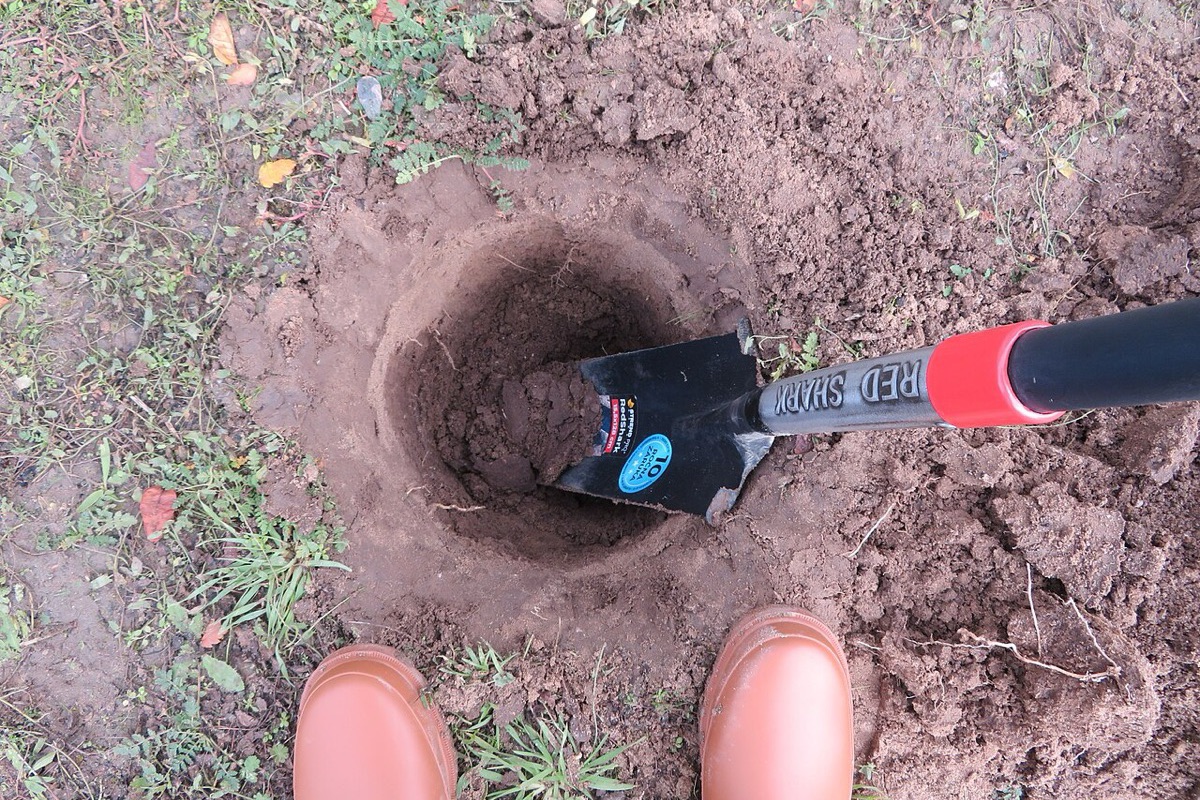
- Dig a hole two to three times wider than the root ball and of the same depth.
- Water the plant in its bag an hour before. Cut the bag carefully instead of pulling the plant out by the stem.
- If the roots are circling the bottom, gently tease out the outer ones.
- Set the plant at the same depth it was growing in its bag; the base of the stem must not be buried.
- Backfill with the native soil mixed with some compost, firm gently with your hands and water slowly until the soil is soaked.
- Cover with five to eight centimetres of mulch, leaving a space around the stem, and stake the plant if the site is windy.
Rhizomes: bananas, heliconias and gingers
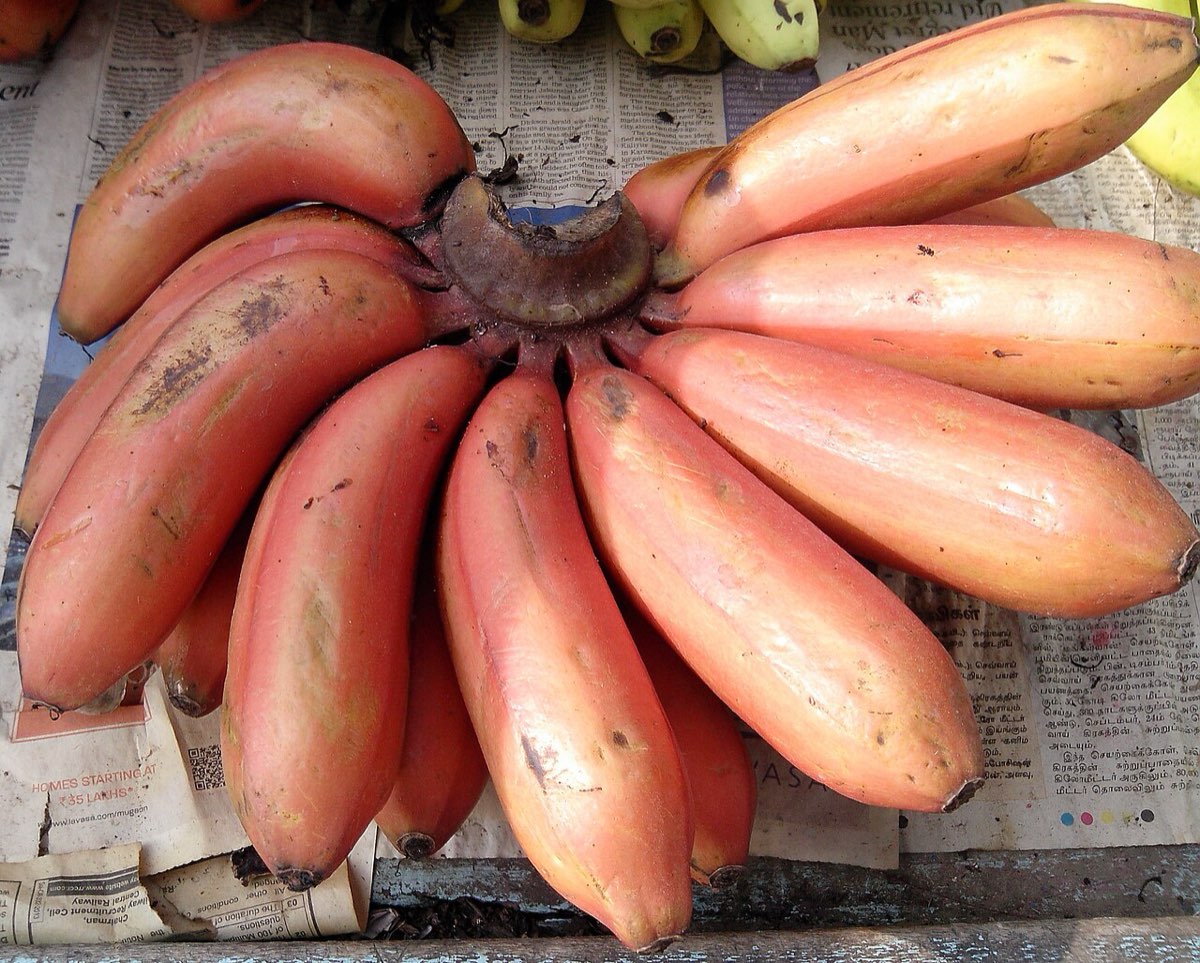
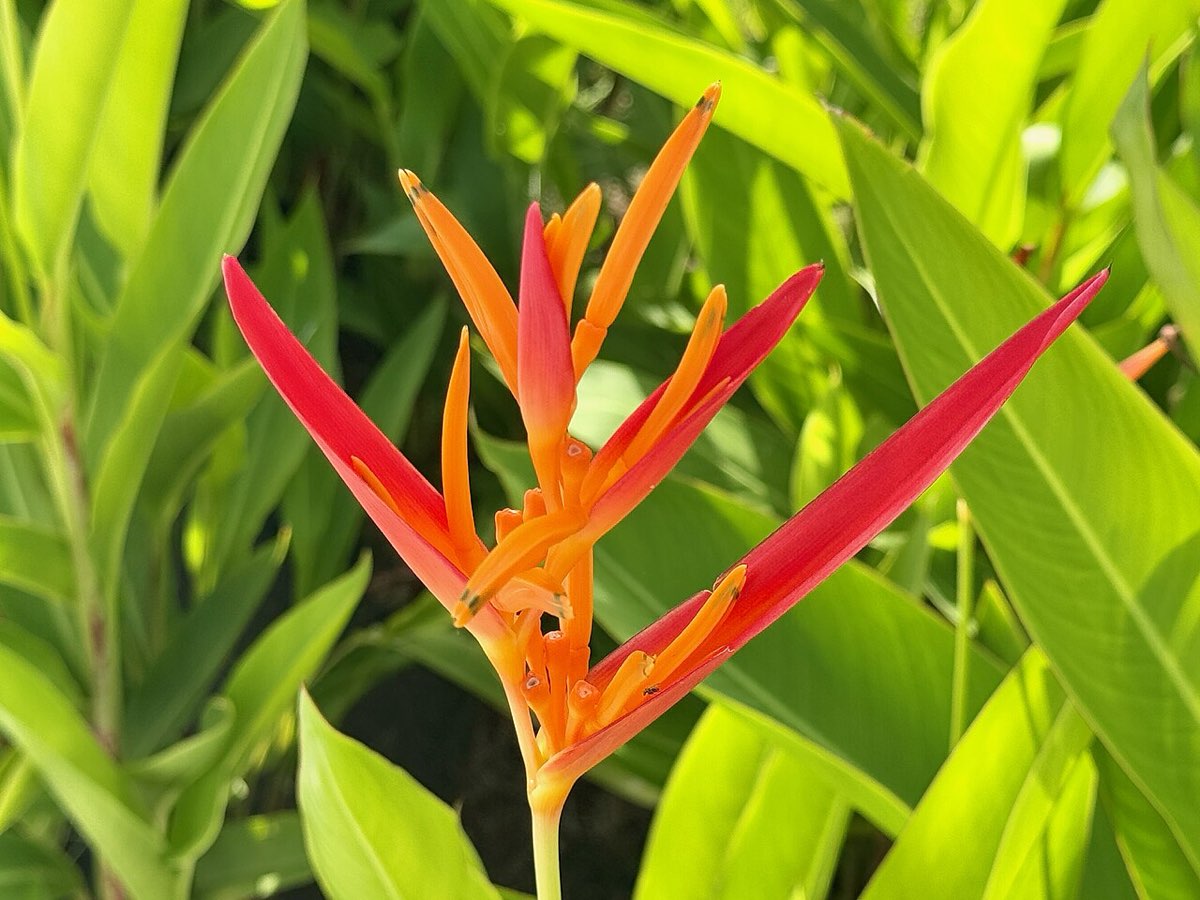
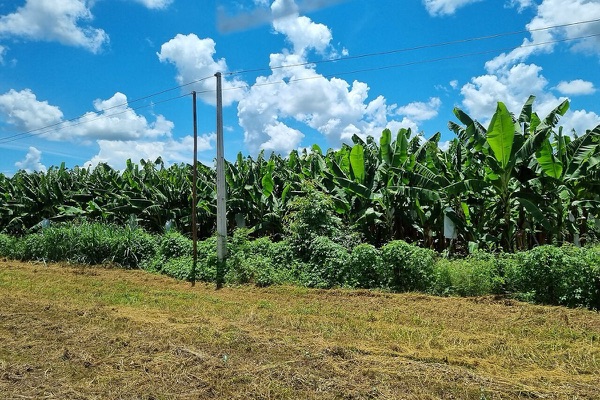
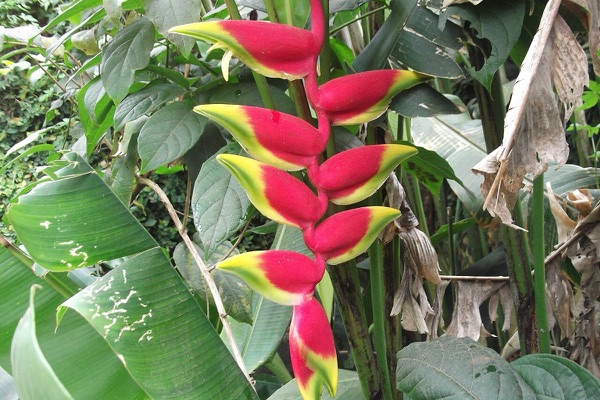
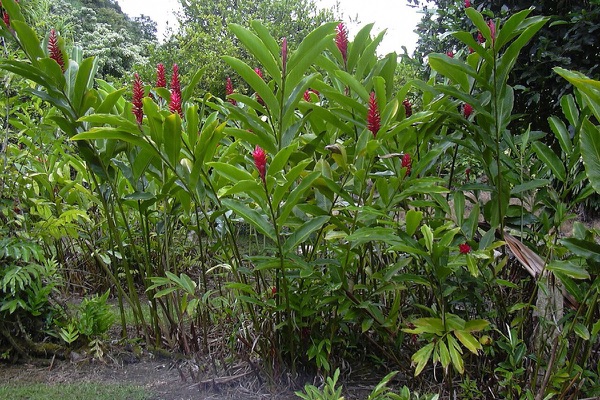
Rhizomes follow a slightly different routine. Plant them in rich, well-drained soil: banana corms upright with the top just below the surface, heliconias horizontally five to ten centimetres deep, and gingers two to five centimetres deep. The key is to water sparingly until the first shoots appear, usually after two to six weeks. Without leaves the rhizome uses very little water, and an excess can rot it. A Red Banana or a Parrot's Beak Heliconia planted this way will establish quickly once the weather is warm.
The first four weeks
Check your new plant every day for the first two weeks. Water when the top few centimetres of soil are dry; in hot weather that may be every day or every other day, in cooler weather once or twice a week. Do not prune, except to remove broken or dead parts, and do not fertilise.
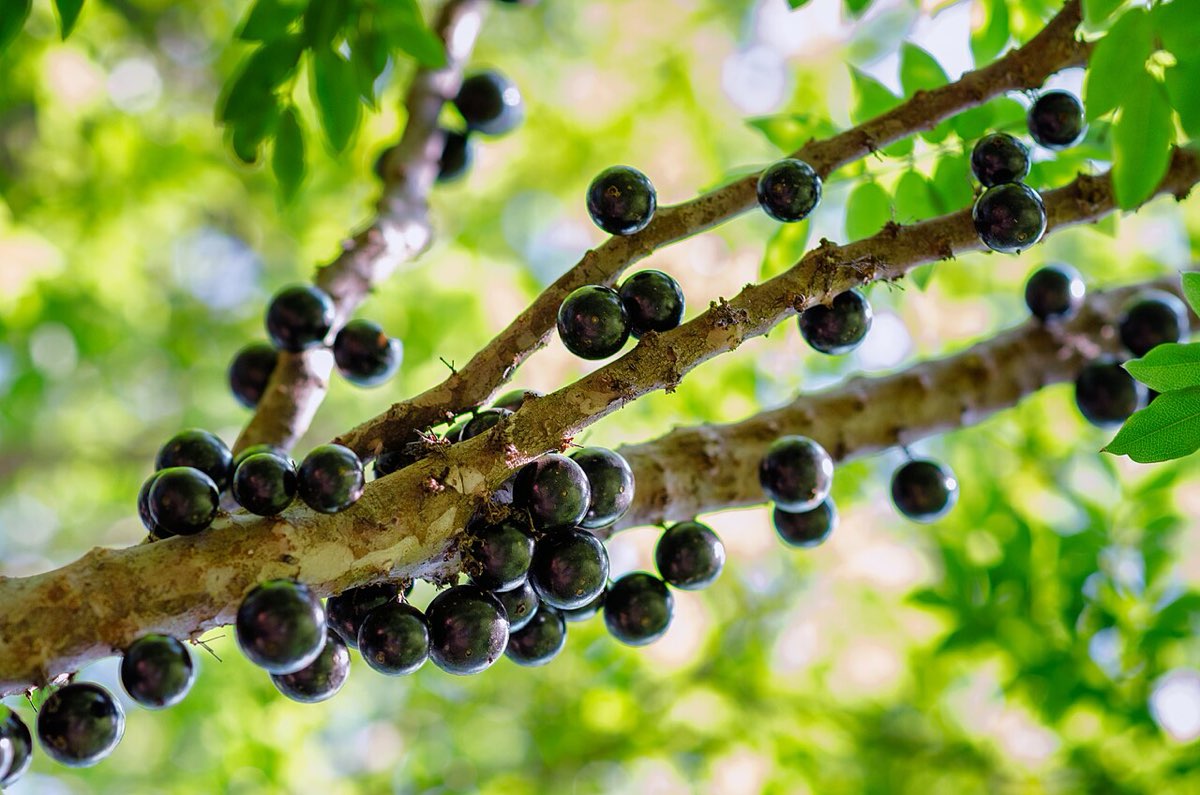
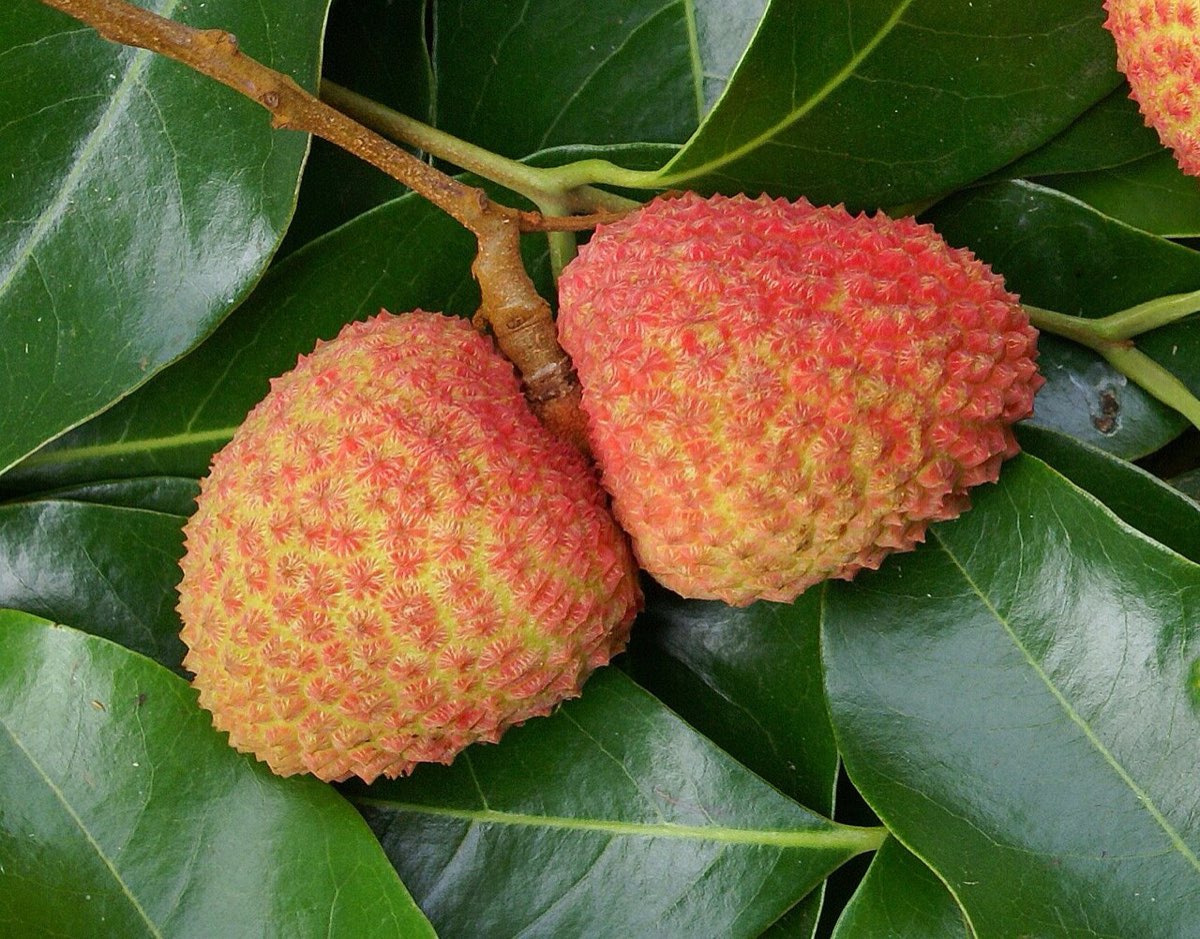
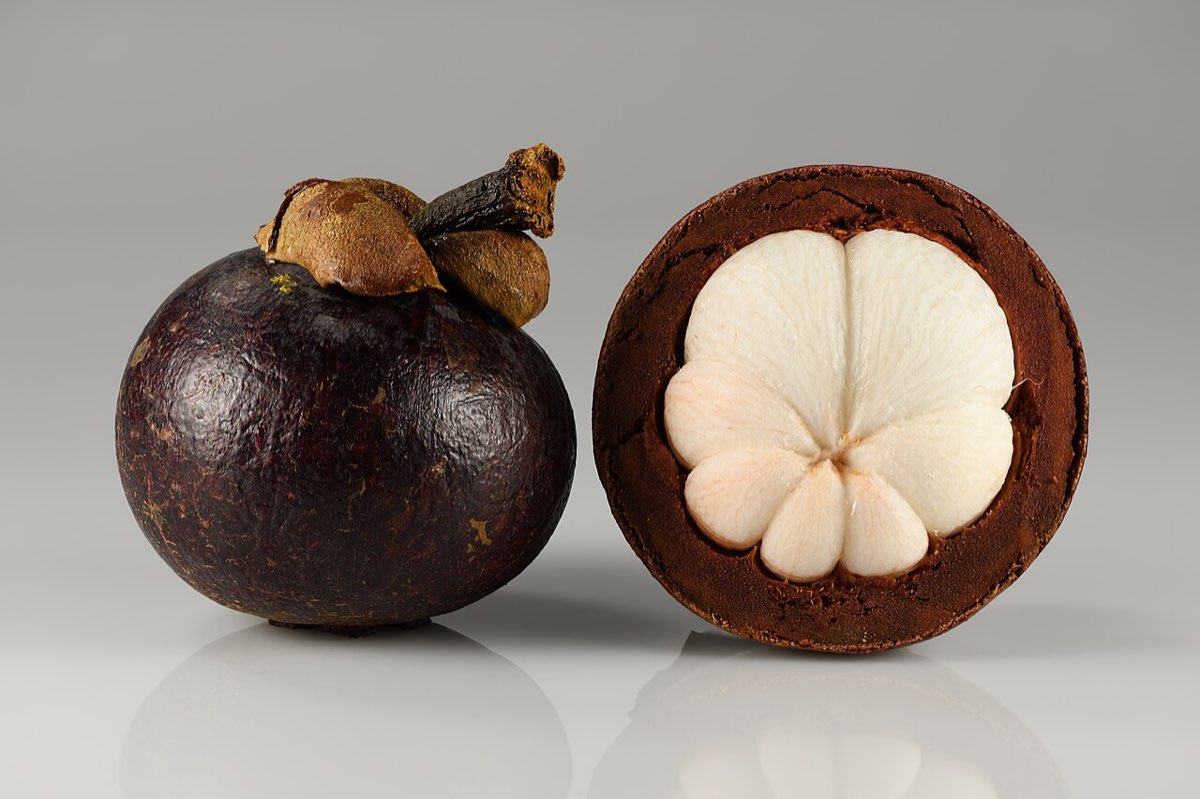
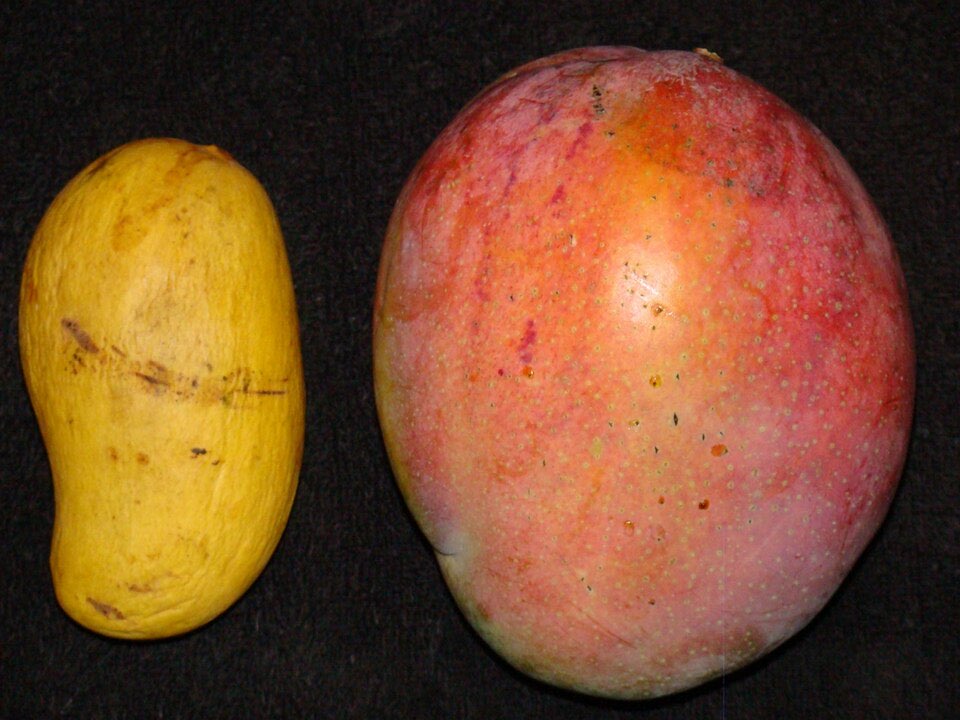
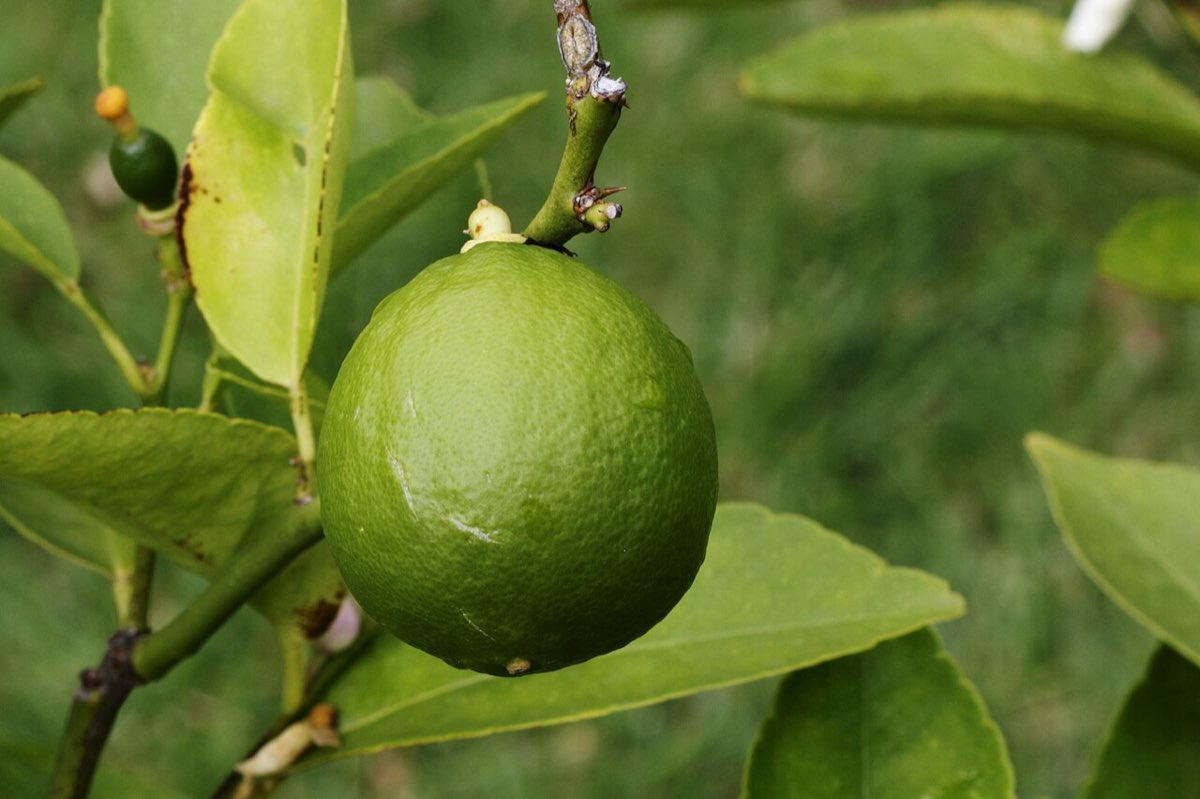
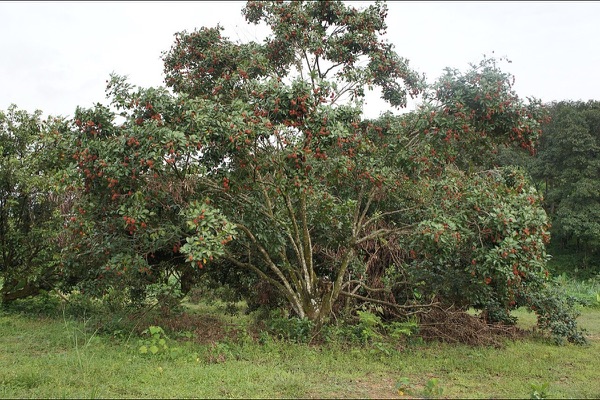
Some leaf drop is a common reaction to transplanting, especially in sensitive species such as Emperor Lychee, Mangosteen and Jaboticaba. As long as the stem stays green and flexible, the plant is alive and will push new shoots once the roots settle. The appearance of new leaves is the sign that it has taken hold. Hardier trees such as Ataulfo Mango or Persian Lime usually recover in a few days.
Common mistakes to avoid
Most problems with newly arrived plants come from a handful of avoidable mistakes. If something looks wrong, take clear photos of the whole plant, the stem and the roots and compare them with the signs described in this guide; you can also send them to us via WhatsApp, the same channel used for orders.
- Leaving the box closed overnight or opening it in direct sun.
- Planting immediately in full sun in the hottest months.
- Overwatering a plant that has lost leaves, which uses less water than before.
- Fertilising in the first weeks.
- Burying the stem deeper than it was in its bag.
- Panicking and moving the plant again; most recover with patience.
Questions & Answers
My plant arrived with yellow leaves. Will it survive?
A few yellow or fallen leaves are common after shipping. Check that the stem is firm and green under the bark and that the roots are not mushy. Keep it in bright shade and avoid overwatering while it recovers.
Should I plant it the same day it arrives?
It is usually better to let it recover in bright shade for a few days, especially in hot weather. Rhizomes, on the other hand, should be planted within a few days of arrival.
When can I fertilise a newly arrived tree?
Wait four to six weeks, until you see new growth. Then start with small doses of a balanced fertiliser or compost.
Can I keep it in its bag for a while?
Yes, for a few weeks, provided you water it and keep it in a bright spot. If you need more time, move it to a slightly larger pot with good potting mix.