How to Grow Exotic Fruit Trees in Mexico
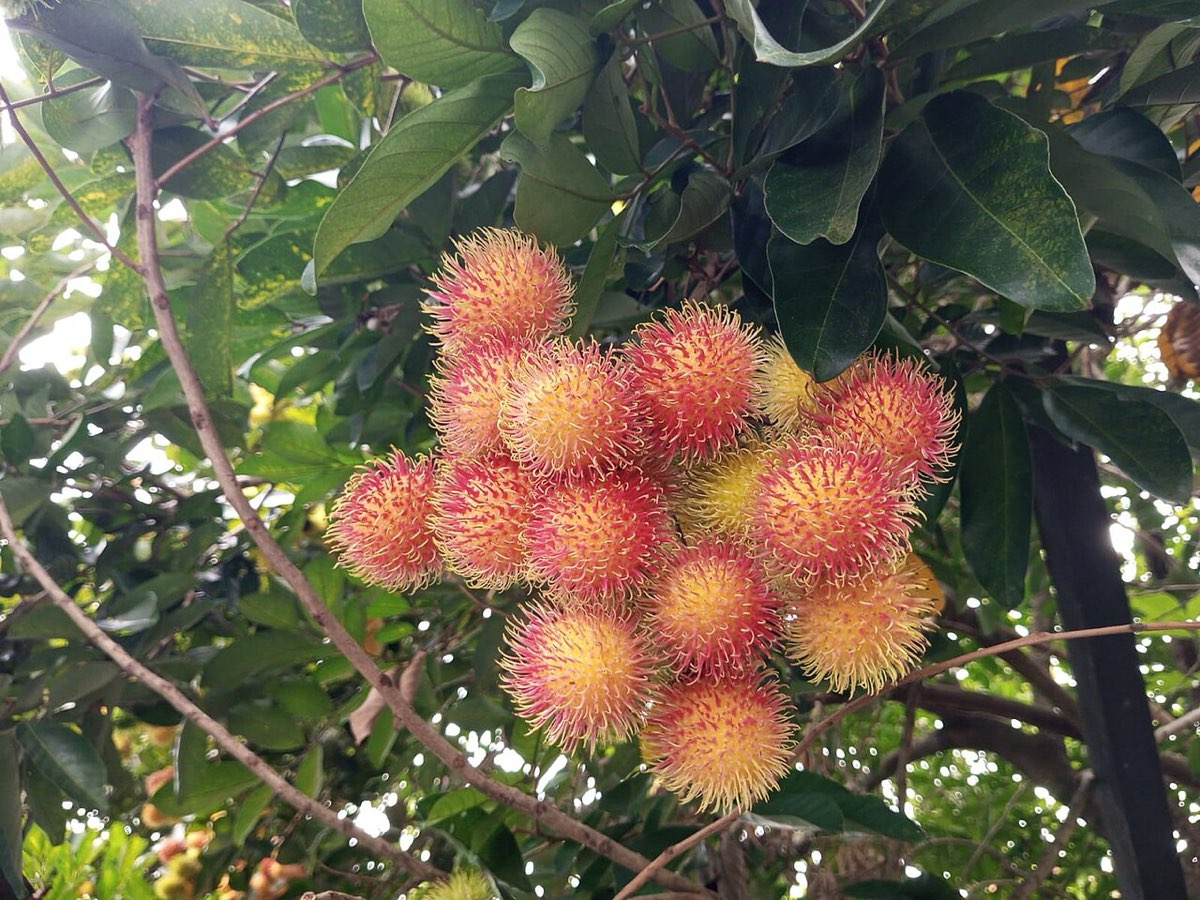
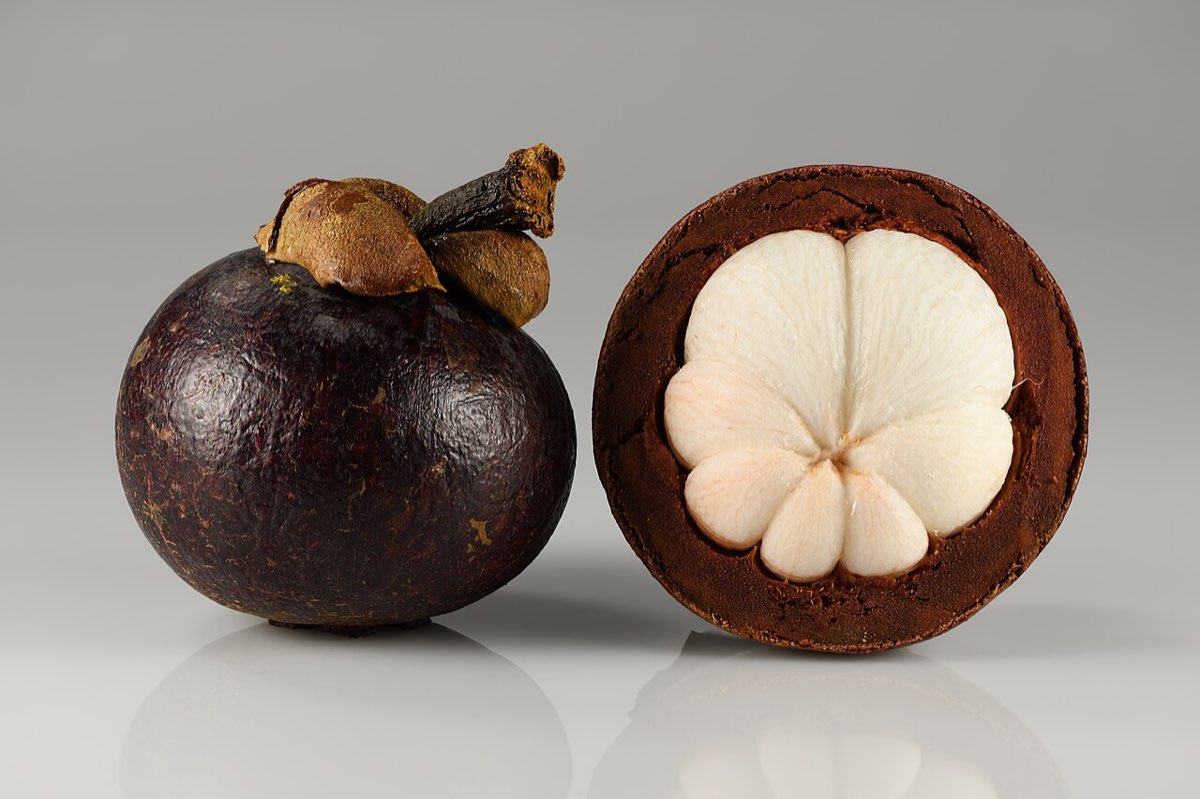
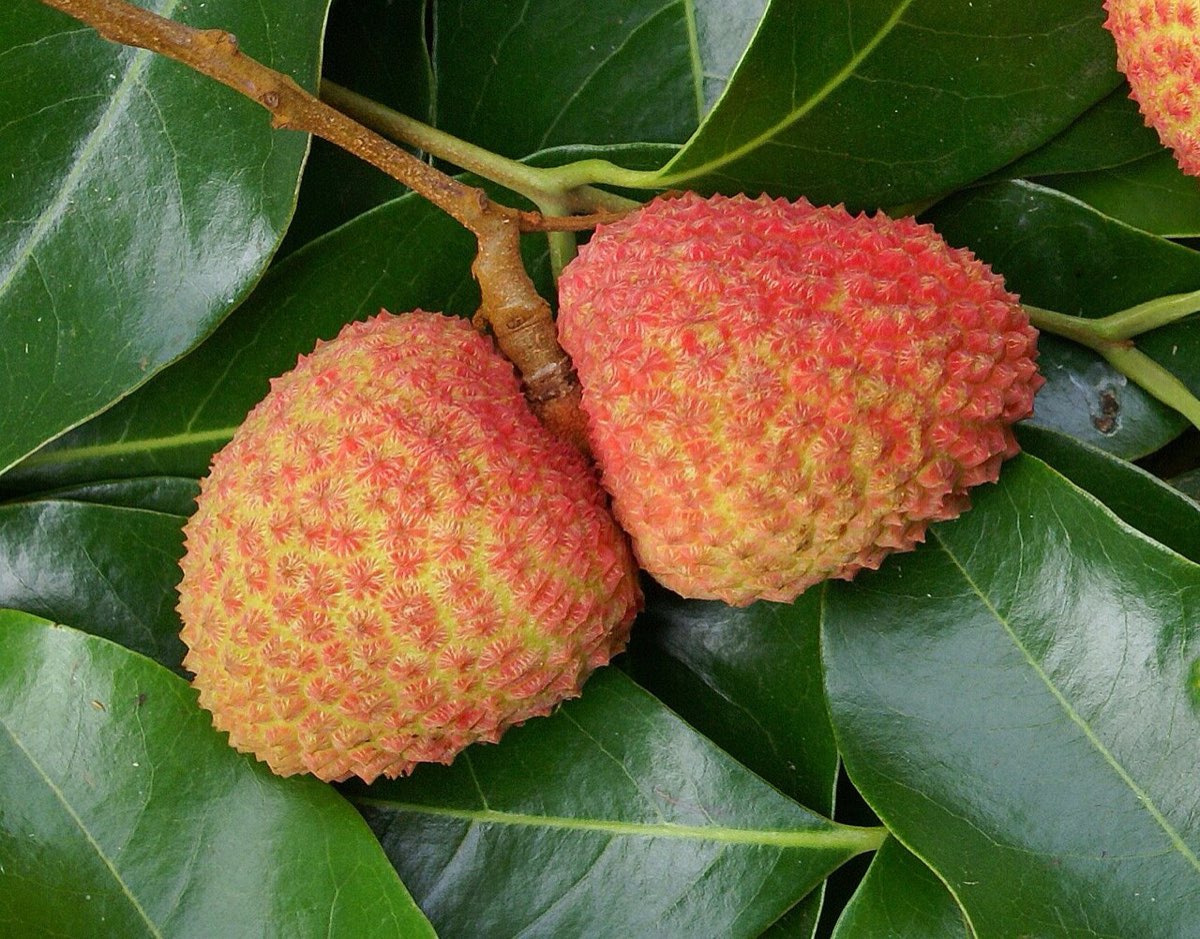
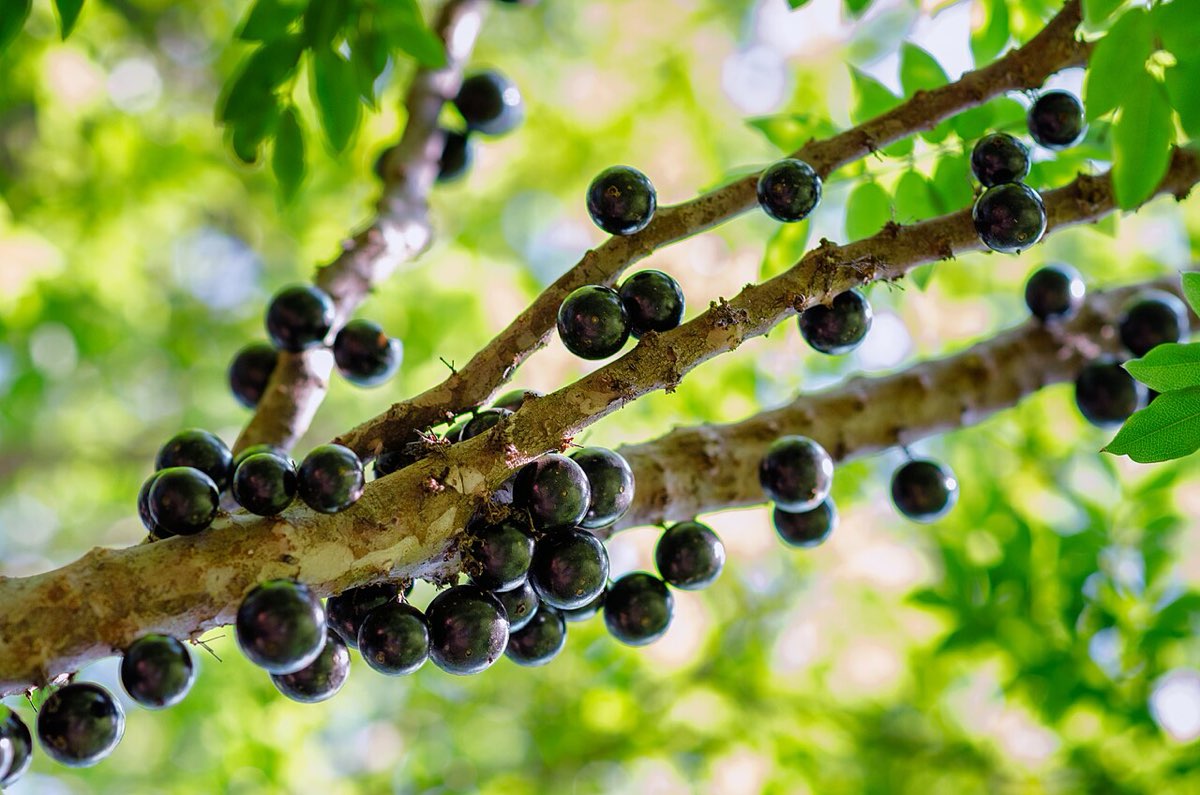
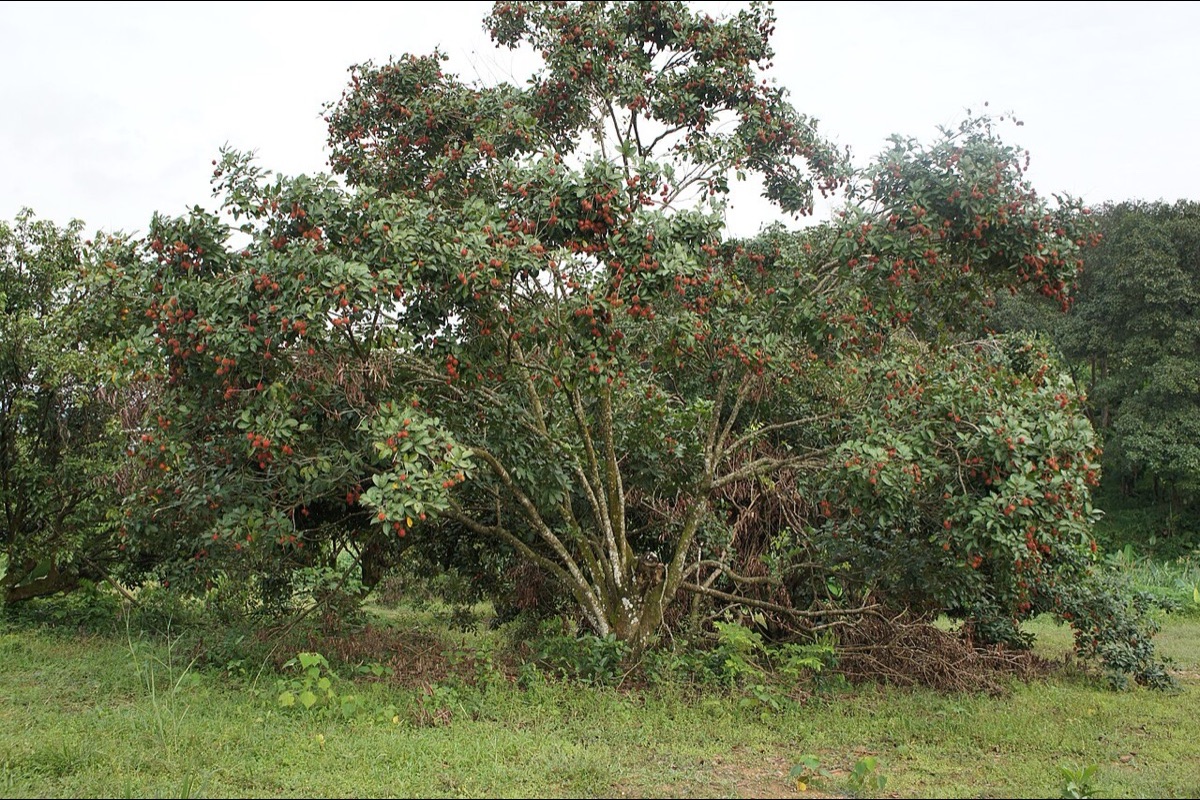
Rambutan, mangosteen, lychee and jaboticaba are no longer fruits you only see in imported boxes at the supermarket. With the right spot and a little patience, many exotic fruit trees grow well in Mexico, from the humid Soconusco in Chiapas to a sunny patio in Mérida or a sheltered garden in the Bajío. This guide explains how to match each tree to your climate and how to care for it during its first years.
Start with your climate, not the catalogue
Mexico packs almost every tropical and subtropical climate into one country, so the first question is not which fruit you want most but which fruit your garden can support. Lowland humid tropics such as coastal Chiapas, Tabasco and southern Veracruz suit the most demanding species. The Yucatán Peninsula is hot enough for nearly everything, but its thin, alkaline soil over limestone and its long dry season from roughly December to May call for extra preparation. The central highlands and the north bring cold nights and occasional frost, which rules out the most tender trees outdoors.
A simple way to sort the options is by minimum temperature. If your winter nights never drop below 10 °C, you can try almost anything. Between 10 and 3 °C, choose trees with some cold tolerance. If you get frost, stick to the hardiest species or grow the tender ones in large pots that you can move to shelter.
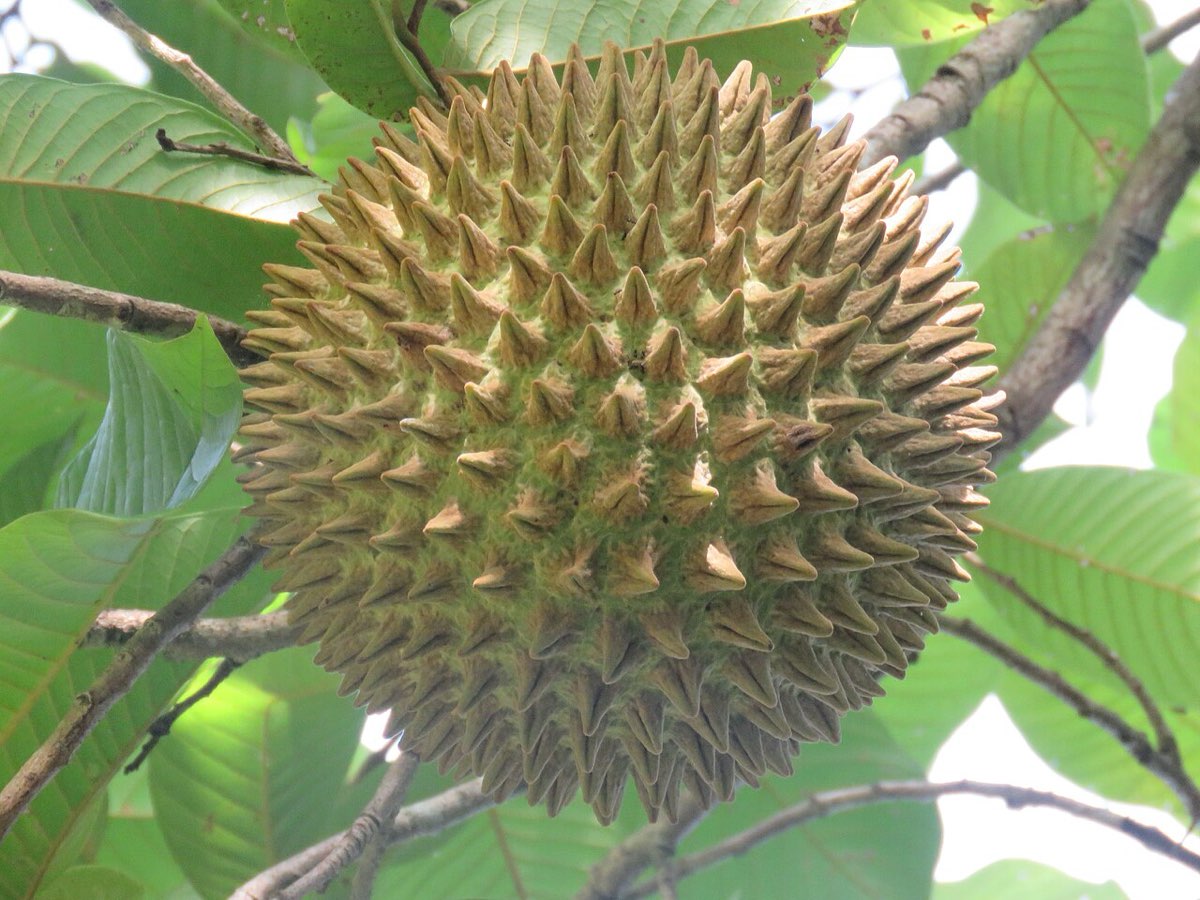
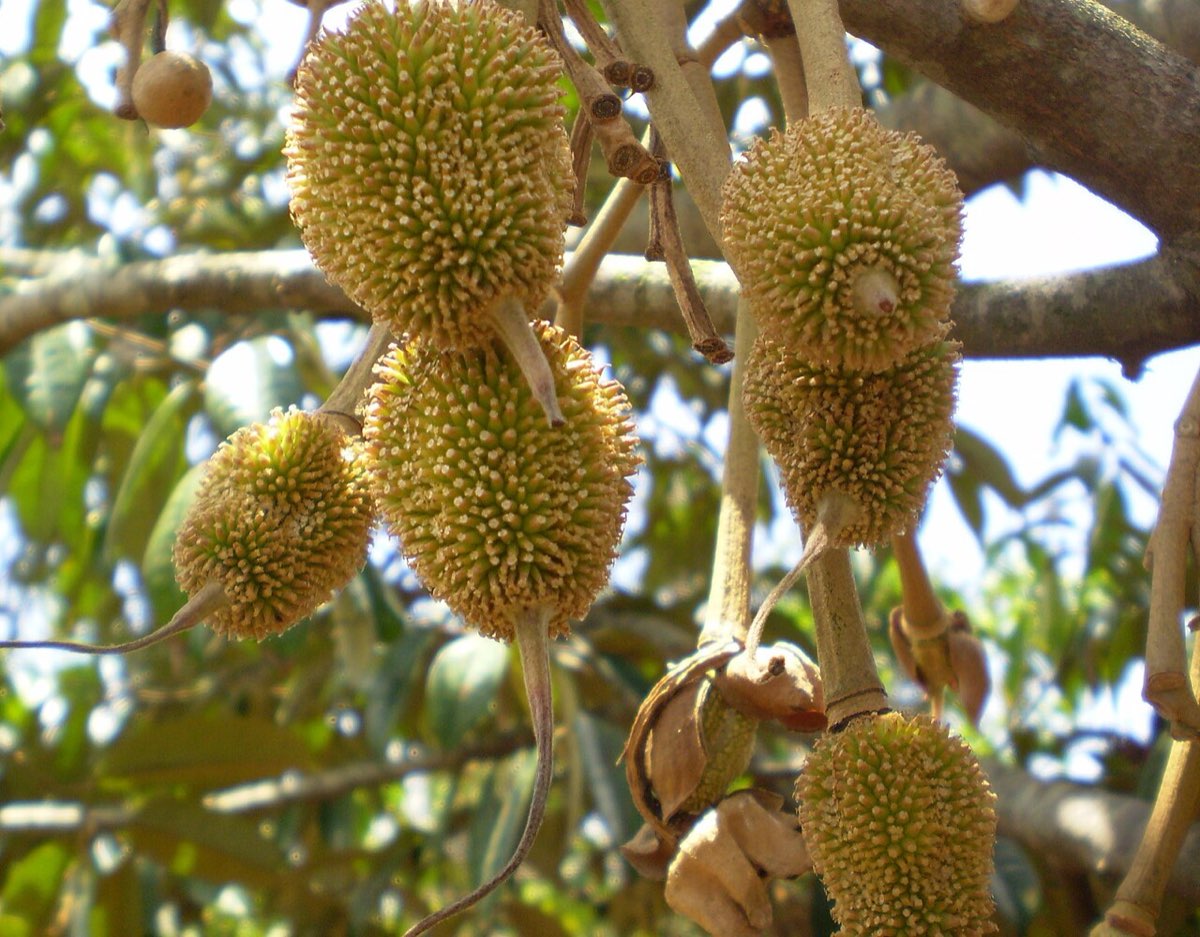
- Hot and humid, no cold: Mangosteen, Rambutan, Monthong Durian, abiu, achachairú.
- Hot with a marked dry season: Chincuya, mammee apple, araza with irrigation, dwarf coconut on the coast.
- Subtropical with cool winters: Emperor Lychee, longan, Jaboticaba, kumquat.
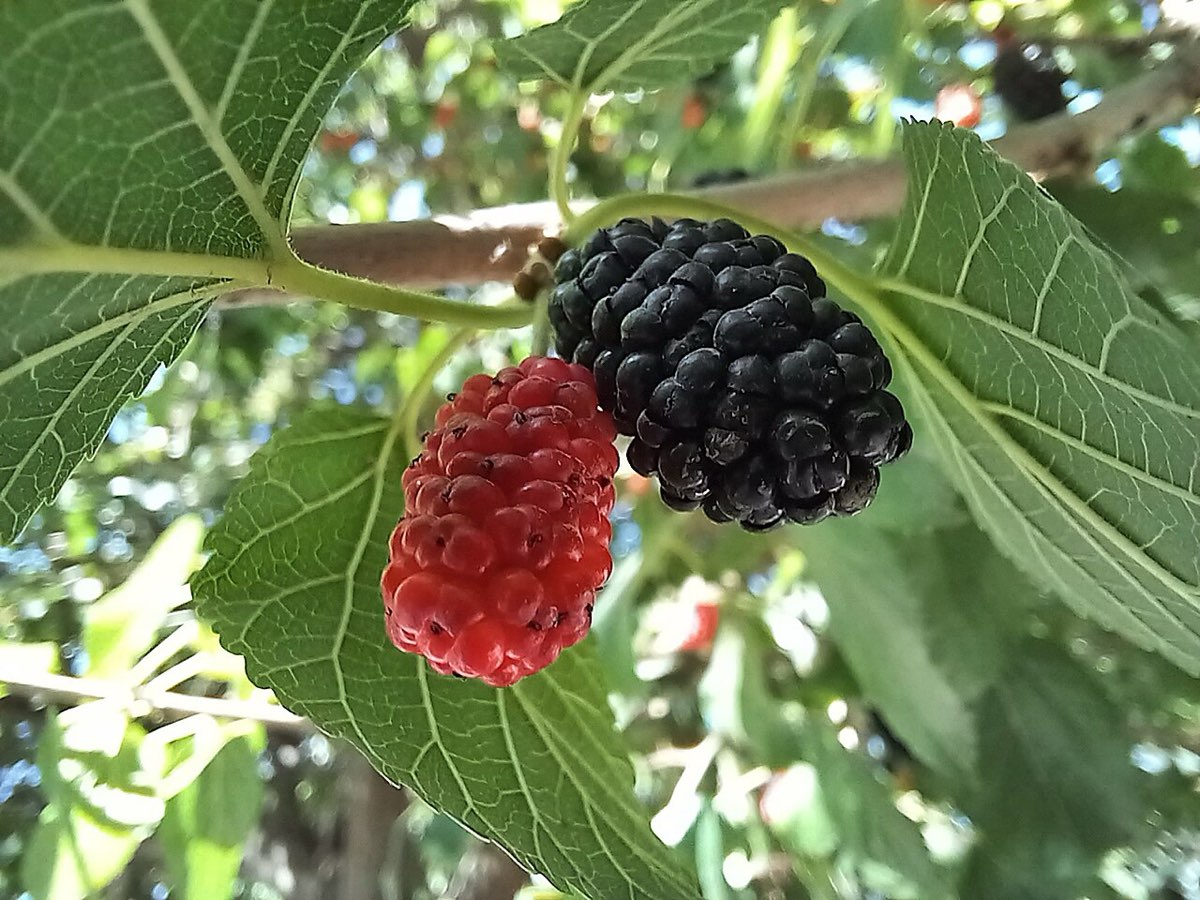
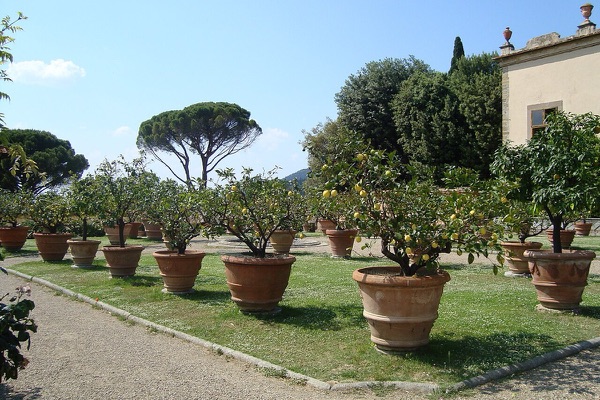
- Occasional frost: Black Mulberry, kumquat and calamondin, plus anything tender in a container.
Choosing the right spot
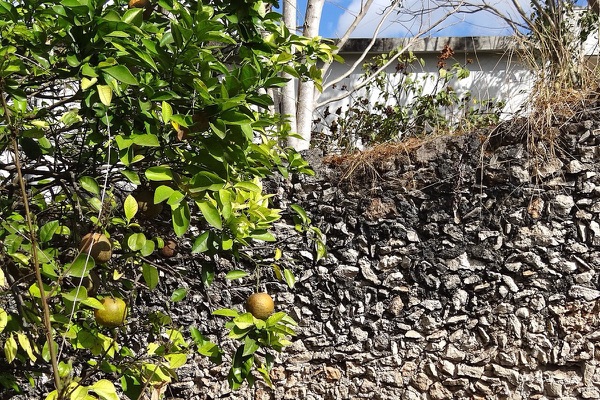
Most exotic fruit trees want at least six hours of direct sun once they are established, but many of the rainforest species, such as mangosteen, rambutan and durian, prefer light shade during their first two or three years. A young tree planted in the open in Yucatán in April can scorch within days. Place it on the east side of a wall or a larger tree, or put up 30 to 50 percent shade cloth for the first dry season.
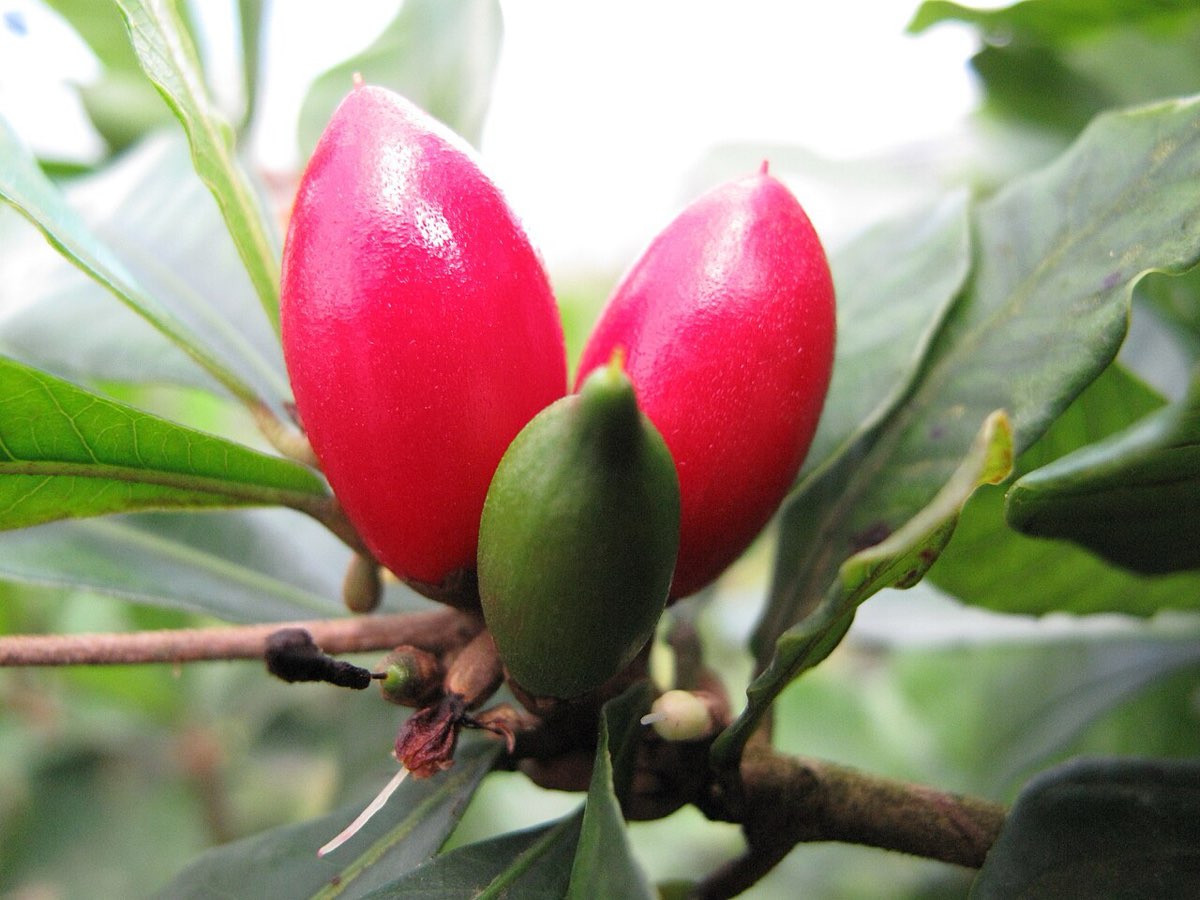
Think about the adult size too. A durian or a mammee apple can become a large tree with a wide canopy, while jaboticaba, miracle fruit and finger limes stay compact. Leave at least four to six metres between large trees and from buildings, cisterns and septic tanks. Shelter from strong wind helps every species, especially on the Gulf and Caribbean coasts during the hurricane season.
Soil and planting
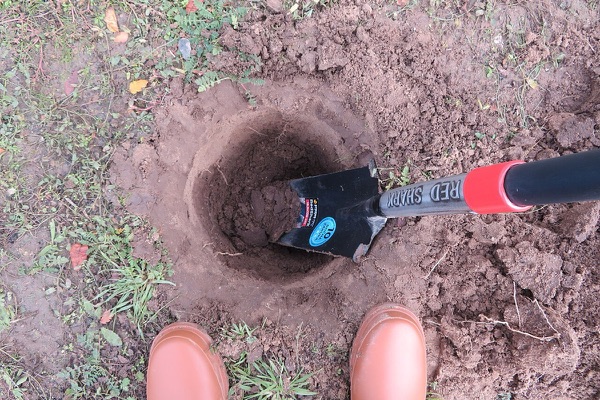
Good drainage matters more than rich soil. Almost every tree on this list will tolerate poor soil better than roots sitting in water during the rainy season. Dig a hole two to three times wider than the root ball and about as deep. In Chiapas clay, mix compost into the backfill and plant slightly high, on a low mound. In Yucatán, where you often hit limestone after a few centimetres, break up the rock as much as you can with a pick or bar and fill the hole with a mix of local red soil, compost and some coarse material such as gravel or tezontle.
Several exotic species, including mangosteen, rambutan, araza and especially Miracle Fruit, prefer acidic soil. In alkaline areas they tend to show yellow leaves with green veins, a sign that they cannot take up iron. For these trees, either build a raised bed with acidic organic matter or grow them in large containers with a peat or coconut fibre based mix, and water them with rainwater whenever possible.
Set the tree at the same depth it grew in its nursery bag, never deeper. Water slowly until the whole area is soaked, then cover the soil with five to eight centimetres of mulch such as dry leaves or chipped wood, keeping it a hand's width away from the trunk.
Watering through the dry and rainy seasons
Young trees need consistent moisture for their first two years. During the dry season, a newly planted tree typically needs a deep watering two or three times a week in hot lowland areas and once or twice a week in cooler highlands. Check the soil with a finger: water when the top five centimetres are dry. During the rainy season, from roughly June to October in most of Mexico, you may not need to water at all, but you do need to make sure water drains away from the trunk after heavy storms.
Lychee and longan are a special case. They usually flower best after a cool, fairly dry period in winter, so reduce watering on mature trees from late autumn until flower buds appear, then water regularly again while the fruit sets.
Feeding and pruning young trees
Feed little and often. During the growing season, apply a small handful of balanced granular fertiliser or a generous layer of compost every six to eight weeks, spreading it over the root zone rather than against the trunk. Do not fertilise a tree that has just arrived or one that is wilting from heat; let it settle first.
Formative pruning is simple: remove branches that cross or grow straight down, and if you want a low, easy-to-harvest tree, pinch the tips once the main stem reaches about one metre. Most exotic trees fruit on mature wood, so avoid heavy pruning once they start producing.
Protecting trees from cold, pests and birds
If a cold front is forecast in the highlands or the north, water the soil the day before, cover small trees with frost cloth at night and remove it in the morning. A cardboard box or old sheet works in an emergency, but plastic touching the leaves can make damage worse.
Scale insects, mealybugs and leaf-cutting ants are the most common problems on young trees. Check the undersides of leaves every week and treat early with potassium soap or neem. When the first fruit ripen, birds and squirrels will find them quickly; light netting over the canopy, as growers do with jaboticaba and lychee, is the simplest protection.
How long until the first fruit?
Patience is part of growing exotic fruit. Fast species such as black mulberry, araza and miracle fruit can produce in one to three years. Rambutan, lychee, longan and jaboticaba usually take four to eight years from a young plant, depending on climate and care. Mangosteen and durian are famously slow and can take ten years or more. Growing several species with different timelines means you start harvesting sooner while the slow trees mature.
Questions & Answers
Can I grow mangosteen or rambutan in central Mexico?
Outdoors only in frost-free, humid spots. In the highlands it is safer to grow them in large pots with acidic potting mix and move them to a warm, bright place when cold fronts arrive.
Which exotic fruit tree is easiest for beginners?
Black mulberry, araza and jaboticaba are forgiving and fruit relatively young. Jaboticaba also grows well in a container if you keep the soil evenly moist.
When is the best time to plant?
At the start of the rainy season, usually June to July, so the rains help the roots establish. If you can water reliably, you can plant at almost any time in frost-free regions.
Do exotic fruit trees grow in Yucatán's limestone soil?
Many do if you improve the planting hole and mulch well. Acid-loving species such as miracle fruit and mangosteen do better in containers or raised beds with acidic mix.