How to Fertilise Tropical Fruit Trees: What, When and How Much
Well-fed fruit trees grow faster, resist pests better and produce more and tastier fruit. But more fertiliser is not always better: too much nitrogen at the wrong time can stop a mango from flowering, and salts can burn an avocado's roots. This guide explains what tropical fruit trees need, when to apply it and how to adapt feeding to Mexican soils.
What trees need: the basics
Fertiliser labels show three numbers, the N-P-K ratio. Nitrogen (N) drives leaf and shoot growth, phosphorus (P) supports roots and flowering, and potassium (K) improves fruit size, flavour and the plant's resistance to drought and disease. A balanced formula such as 17-17-17 or 15-15-15, widely available in Mexico, works well for young trees.
Trees also need secondary nutrients, calcium, magnesium and sulphur, and micronutrients such as iron, zinc, manganese and boron. These are needed in tiny amounts, but a shortage shows clearly in the leaves and limits production, especially in alkaline soils.
Young trees: little and often
In the first two or three years, the goal is to build a strong frame of roots and branches. Wait four to six weeks after planting, until you see new growth, before the first feed. Then apply small doses every six to eight weeks during the growing season, which in most of Mexico coincides with the rainy season, from June to October.
As a starting point, use a small handful, about 30 to 50 grams, of balanced granular fertiliser per application for a newly planted tree, and increase gradually as the tree grows. Always follow the instructions on the label of the product you use, since concentrations vary.
- Spread the fertiliser in a ring under the canopy, from about 20 cm from the trunk to a little beyond the edge of the branches.
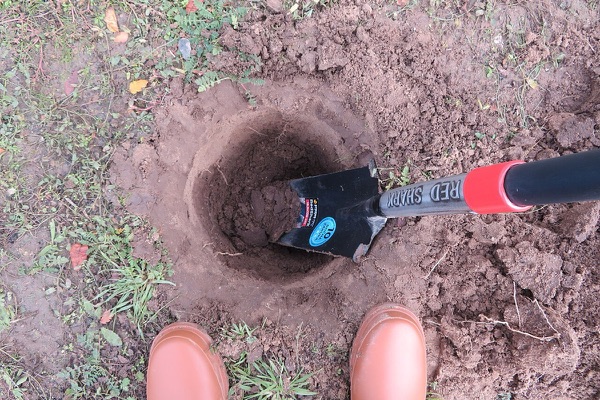
- Never put fertiliser in the planting hole or against the trunk.
- Apply it to moist soil and water afterwards, or just before a rain.
- Do not feed a tree that is wilting from drought; water it first.
Bearing trees: change the balance
Once a tree starts producing, it needs relatively less nitrogen and more potassium. Switch to formulas with a higher last number or add potassium sulphate, and continue to feed two to four times a year, adjusting the dose to the size of the tree.
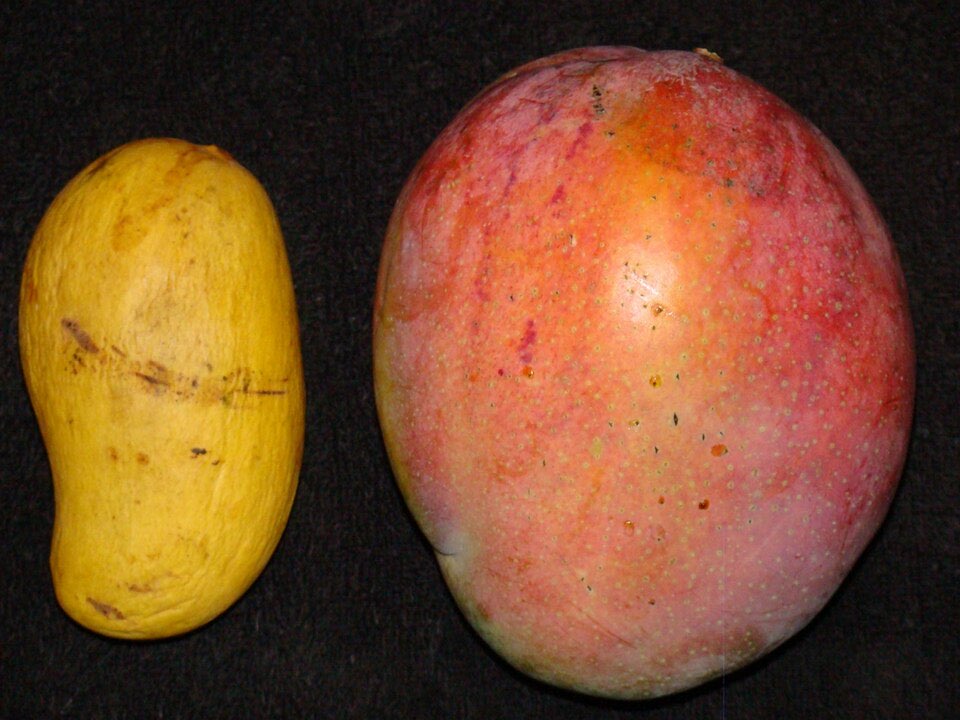
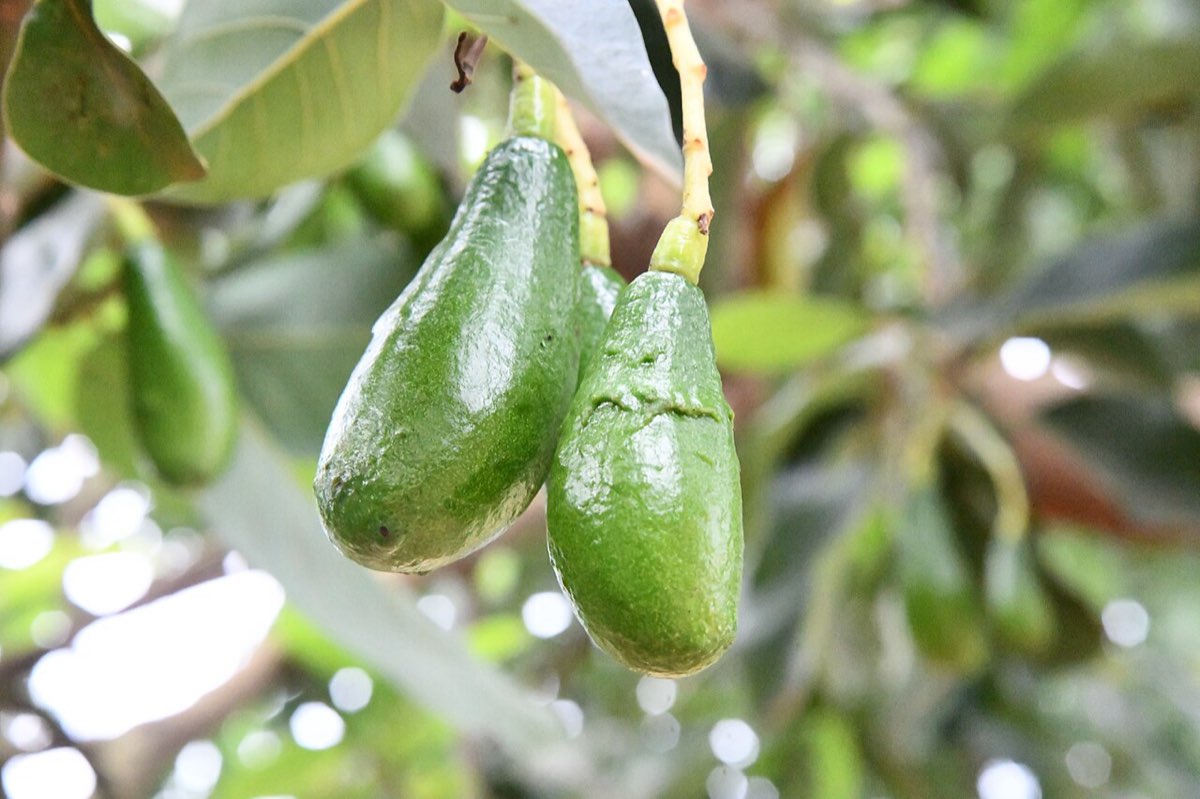
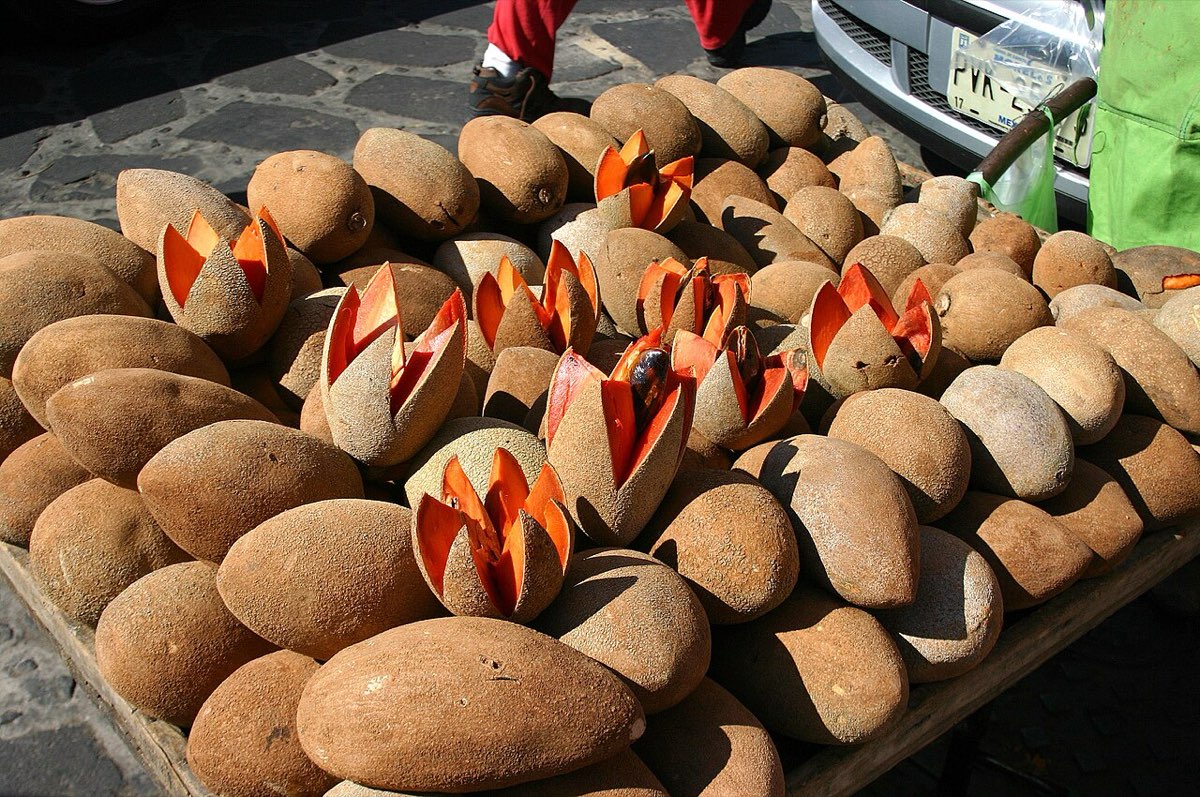
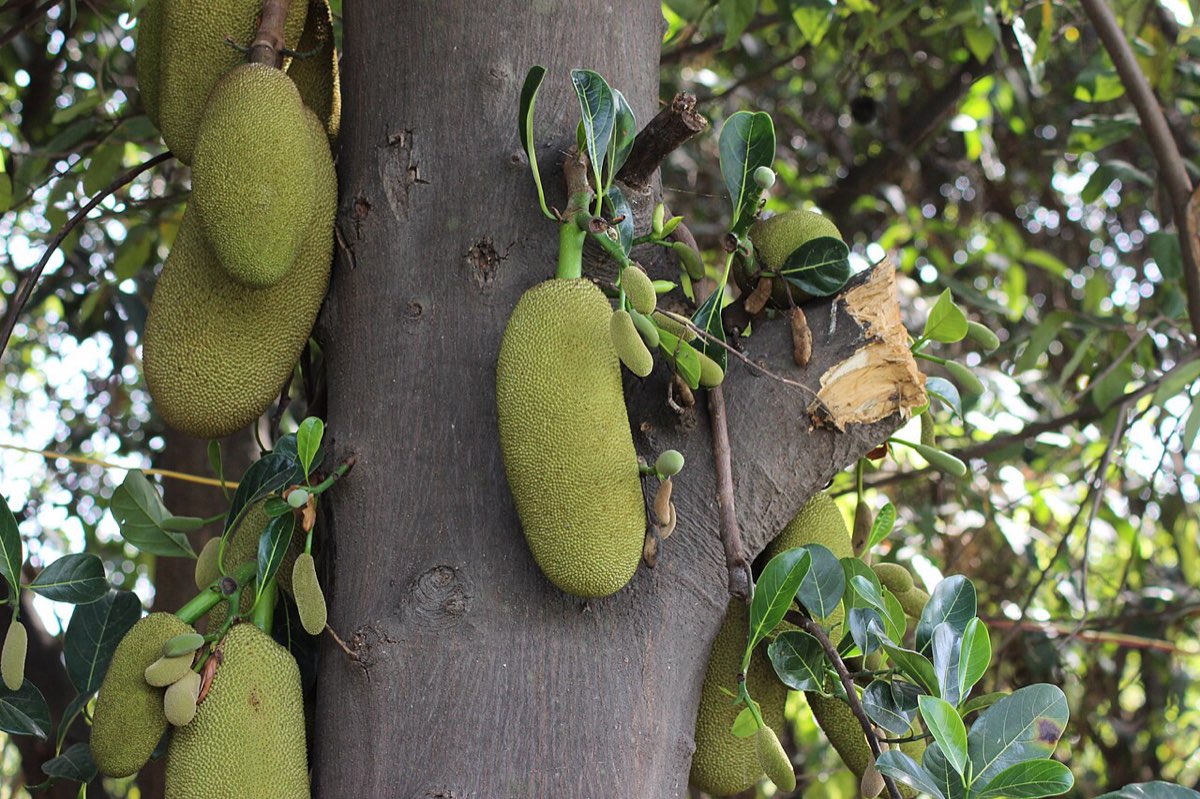
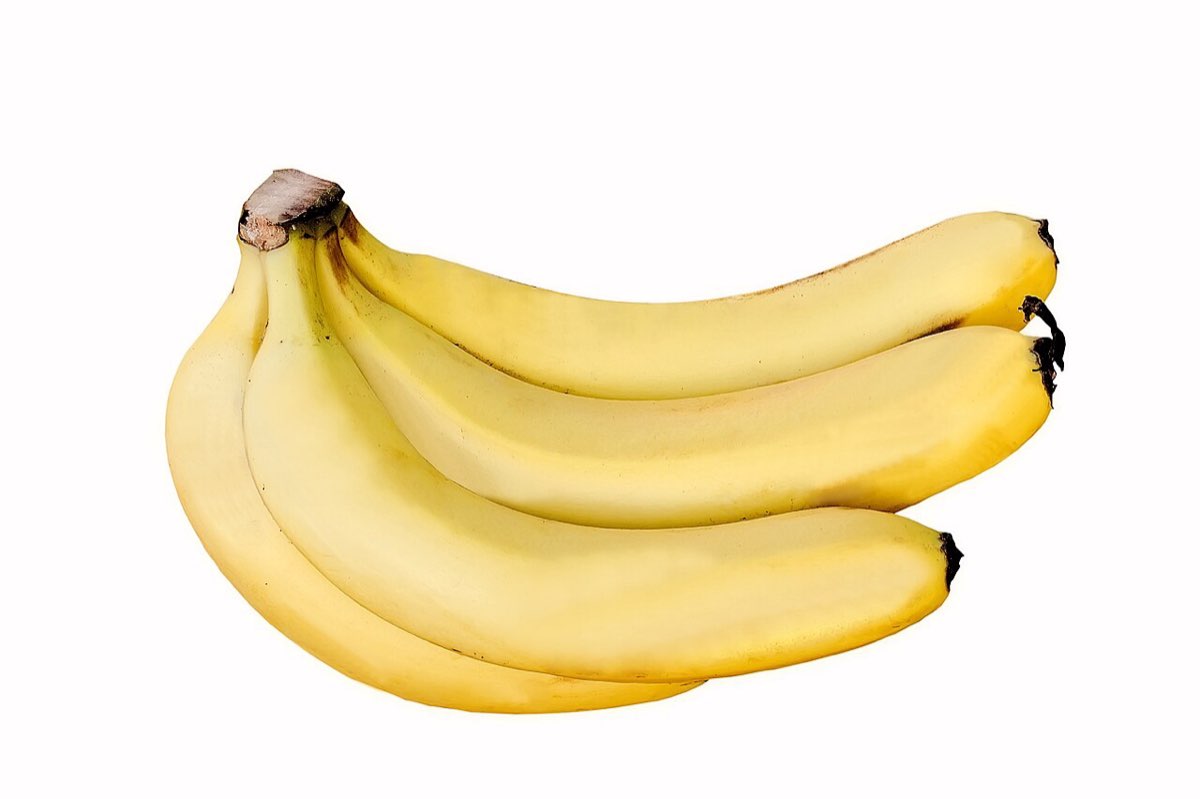
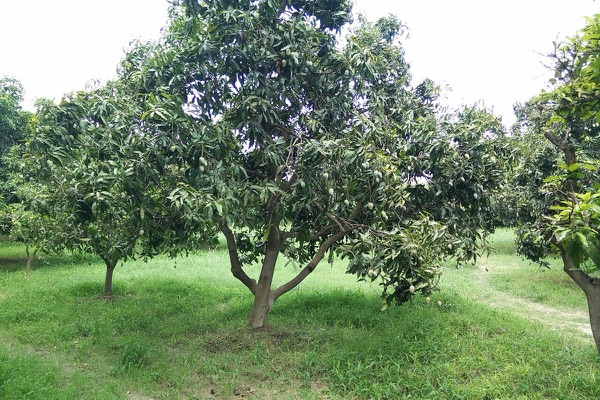
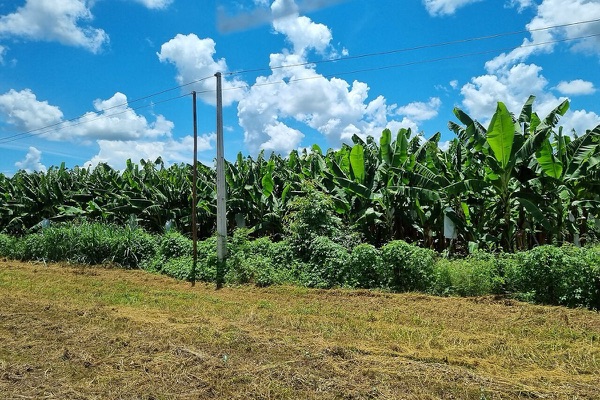
Timing matters, especially for mango. Feed Ataulfo Mango and other mangoes after harvest and during the rains, but avoid nitrogen from autumn until flowering: it pushes new leaves instead of flowers. Booth 8 Avocado is sensitive to salts, so use moderate doses spread through the season. Red Mamey Sapote, sapodilla and Jackfruit respond well to generous compost plus a balanced feed during the rains. Bananas such as Cavendish Banana (Williams), by contrast, are heavy feeders and appreciate monthly feeding rich in potassium while growing.
Micronutrients and alkaline soil
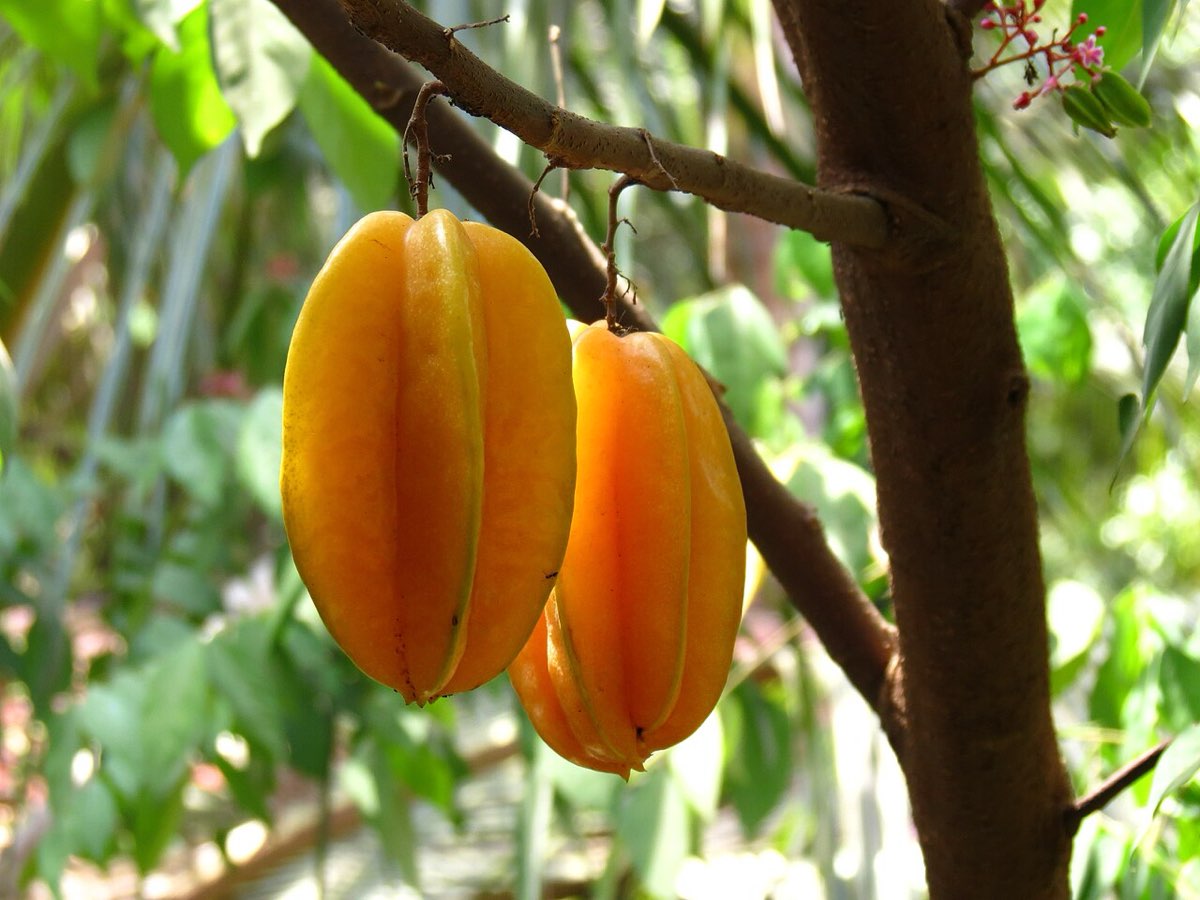
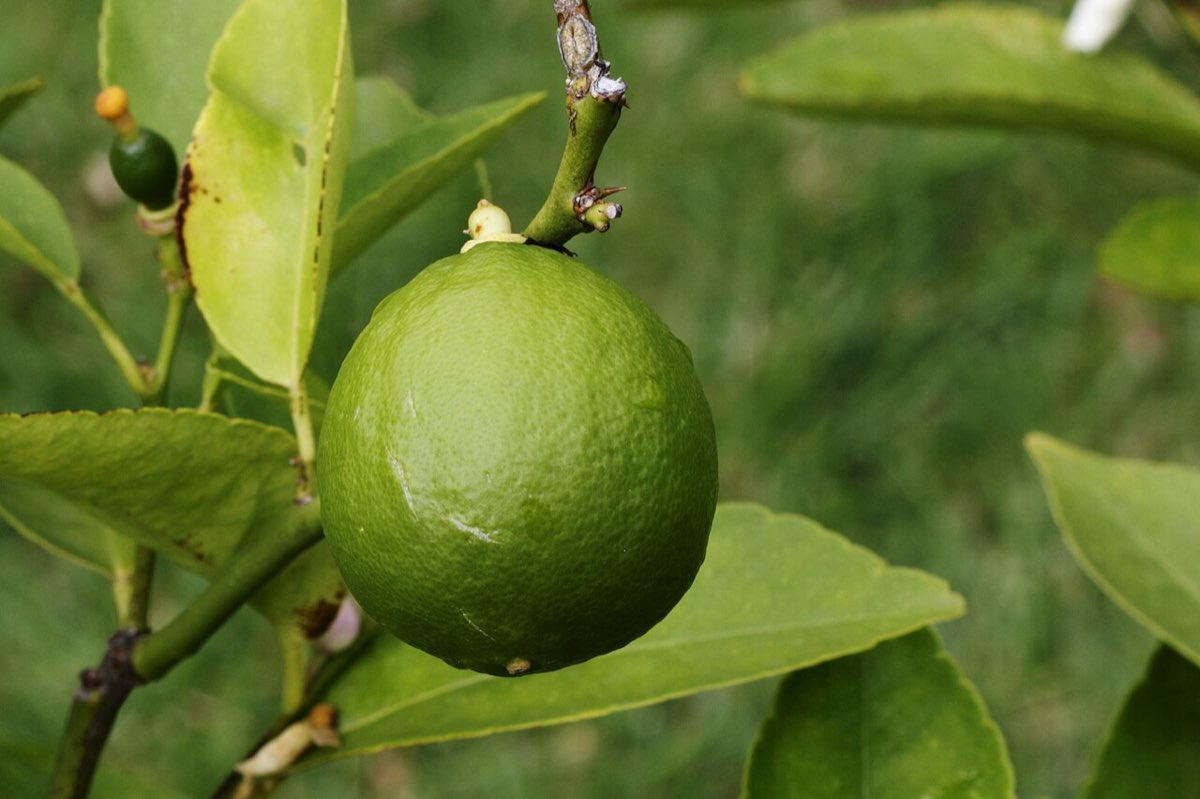
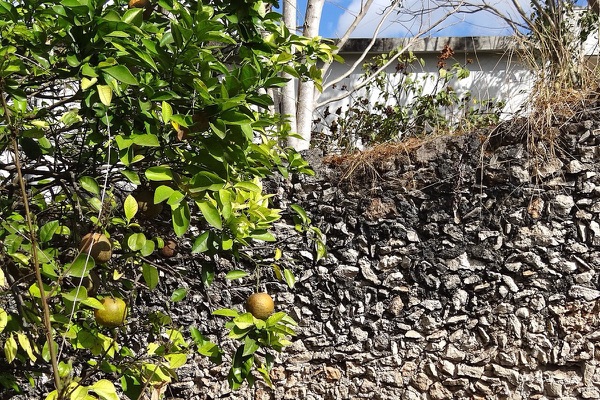
In Yucatán, much of northern Mexico and other limestone areas, soil pH is often above 7.5. At that level, iron, zinc and manganese become locked in the soil even if they are present. The typical symptom is interveinal chlorosis: young leaves turn yellow while the veins stay green. Persian Lime, Star Fruit and avocado are particularly prone to it.
The most effective solution is chelated iron applied to the soil; for very alkaline soils, choose an EDDHA chelate, which stays available at high pH. Foliar sprays with zinc and manganese on new growth help citrus and mango. Over the long term, organic matter, mulch and acidifying fertilisers such as ammonium sulphate help lower the pH slightly around the roots.
Organic options: compost, manure and mulch
Organic matter is the foundation of a healthy soil. Spread a layer of compost, worm castings or well-rotted manure under the canopy once or twice a year, preferably at the start of the rains, and cover it with mulch. Chicken manure is rich and works quickly, but it must be fully composted, as fresh manure can burn roots.
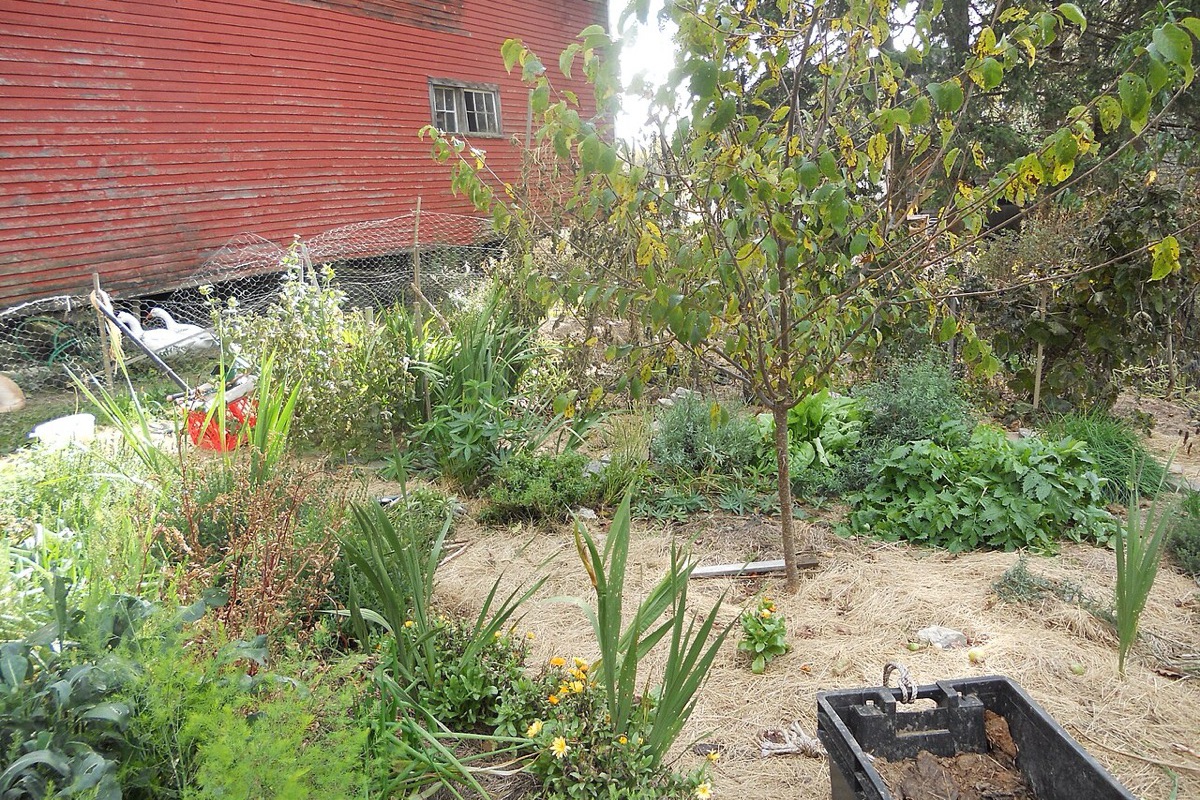
Mulch of dry leaves, straw, chipped branches or grass clippings keeps the soil moist and cool and slowly feeds it as it decomposes. In the hot, shallow soils of Yucatán, a thick mulch can make as much difference as fertiliser. Organic and mineral fertilisers are not incompatible: many gardeners use compost as a base and a mineral fertiliser for specific needs.
Feeding fruit trees in pots
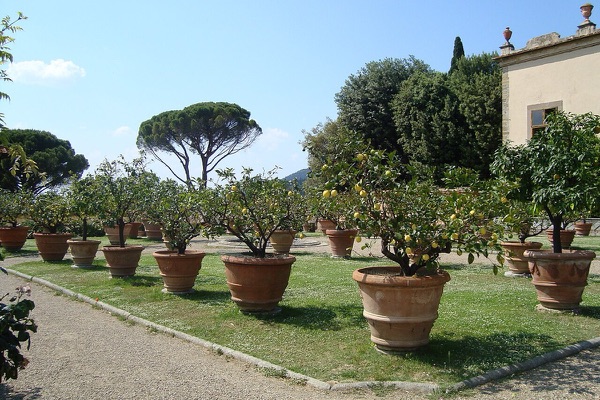
Trees in containers depend entirely on you for nutrients, and every watering washes part of them away. The easiest system is to mix a slow-release fertiliser into the potting mix at the start of the rainy season and complement it with a diluted liquid fertiliser every two to three weeks while the tree is growing. Worm castings spread on the surface once or twice a year add organic matter and gentle nutrition.
Because salts build up in a small volume of soil, use half the dose recommended for trees in the ground and flush the pot with plenty of water every month or two, until water runs freely from the drainage holes. Citrus, miracle fruit and jaboticaba in pots often need a micronutrient supplement, especially if you water with hard tap water.
Seasonal calendar
Adapt this calendar to your region. In the humid lowlands of Chiapas and Tabasco, where it rains much of the year, smaller feeds spread across more months work best because heavy rain leaches nutrients.
- Start of rains (June–July): compost or manure, mulch and the first mineral feed.
- Mid-rains (August–September): second and third feeds; micronutrients if leaves are yellow.
- End of rains (October): last light feed in hot regions. In areas with frost, stop nitrogen by late summer.
- Dry season (November–May): little or no feeding for mature trees, except bananas and potted plants that are irrigated; focus on watering and mulch.
Signs of too much or too little
Pale, uniformly yellow older leaves usually mean nitrogen shortage. Brown, scorched leaf edges can mean potassium shortage, but also too much fertiliser or salty water. A white crust on the soil surface of pots indicates salt buildup; flush the pot with plenty of water. Lush growth with few flowers often comes from excess nitrogen. When in doubt, feed less: a slightly hungry tree recovers easily, while one with burnt roots takes much longer.
Questions & Answers
What is the best fertiliser for fruit trees?
For young trees, a balanced formula such as 17-17-17 combined with compost. For bearing trees, formulas with more potassium. In alkaline soils, add chelated iron.
Can I fertilise in the dry season?
Only if the tree is irrigated. Fertiliser on dry soil does not dissolve and can damage roots. Mature trees generally rest during the dry season.
Why doesn't my mango flower even though I fertilise it?
Too much nitrogen, especially in autumn and winter, encourages leaves instead of flowers. Stop nitrogen before the flowering season and let the tree experience the dry season.
Is chicken manure good for fruit trees?
Yes, as long as it is fully composted. Fresh manure is too strong and can burn roots.