Best Fruit Trees for Yucatán's Hot Climate and Limestone Soil
Gardening in Yucatán means working with extreme heat, a long dry season and a thin layer of soil over solid limestone. It sounds difficult, but the traditional Maya house garden, the solar, has produced fruit for centuries. The secret is choosing trees adapted to these conditions and preparing the planting hole well. Here are the best fruit trees for Mérida and the rest of the peninsula, and how to plant them.
Understanding Yucatán's soil and climate
Most of the northern peninsula sits on a flat limestone platform. Soils are shallow: reddish k'ankab soils in some areas and dark, stony tsek'el soils in others, often only a few centimetres deep before you hit rock, known locally as laja. These soils are alkaline, usually with a pH between 7.5 and 8.5, and very rich in calcium, which makes iron, zinc and manganese hard for many plants to absorb.
The climate adds two challenges. The dry season lasts from roughly December to May, with April and May bringing temperatures near 40 °C. Then the rainy season, from June to October, brings heavy downpours and, some years, hurricanes. Winter nortes bring wind and cool spells but no frost. Any tree you plant needs to cope with drought, intense sun and periodic strong wind.
Natives and old favourites: the safest bets
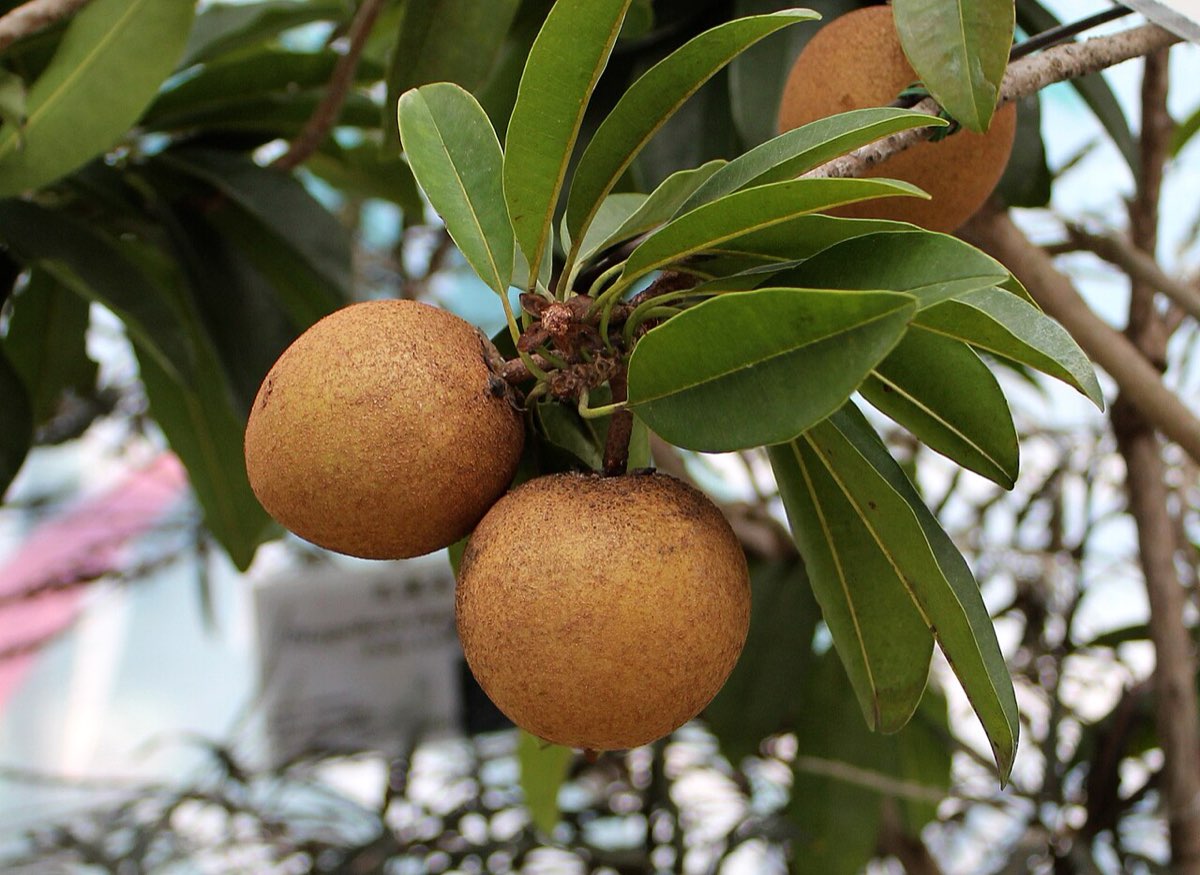
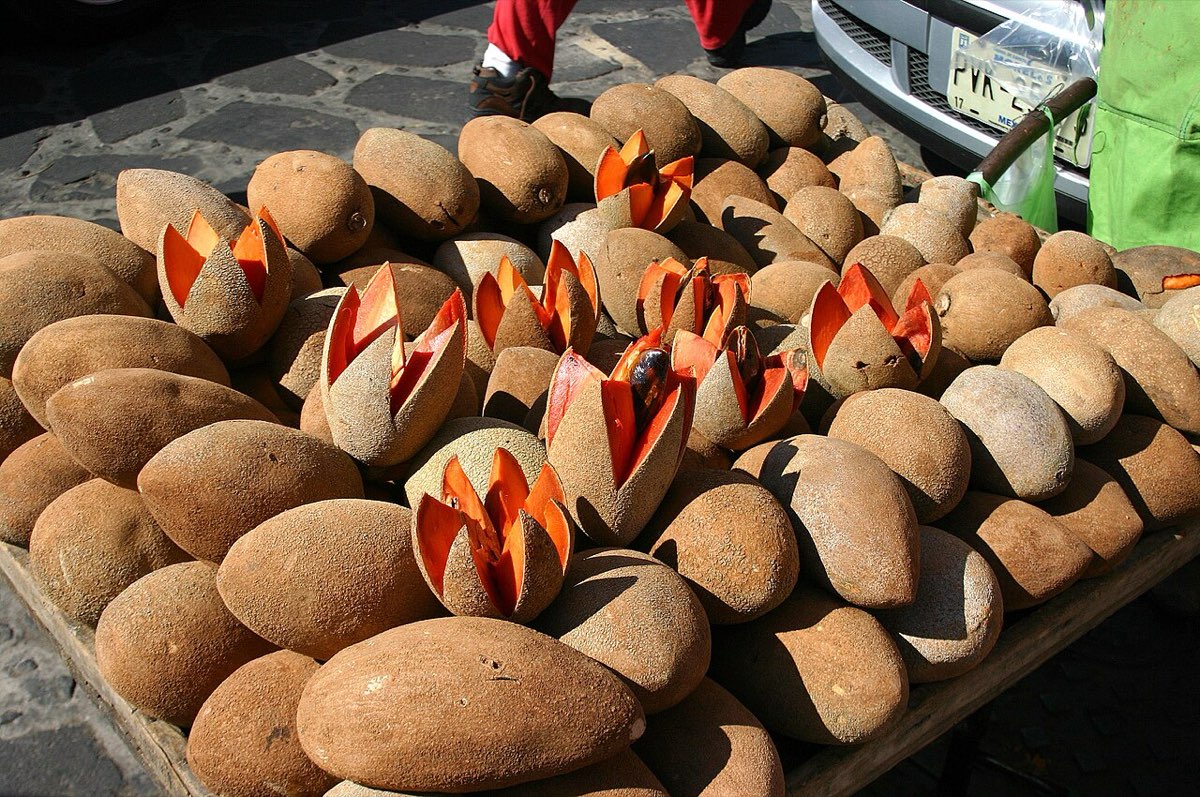
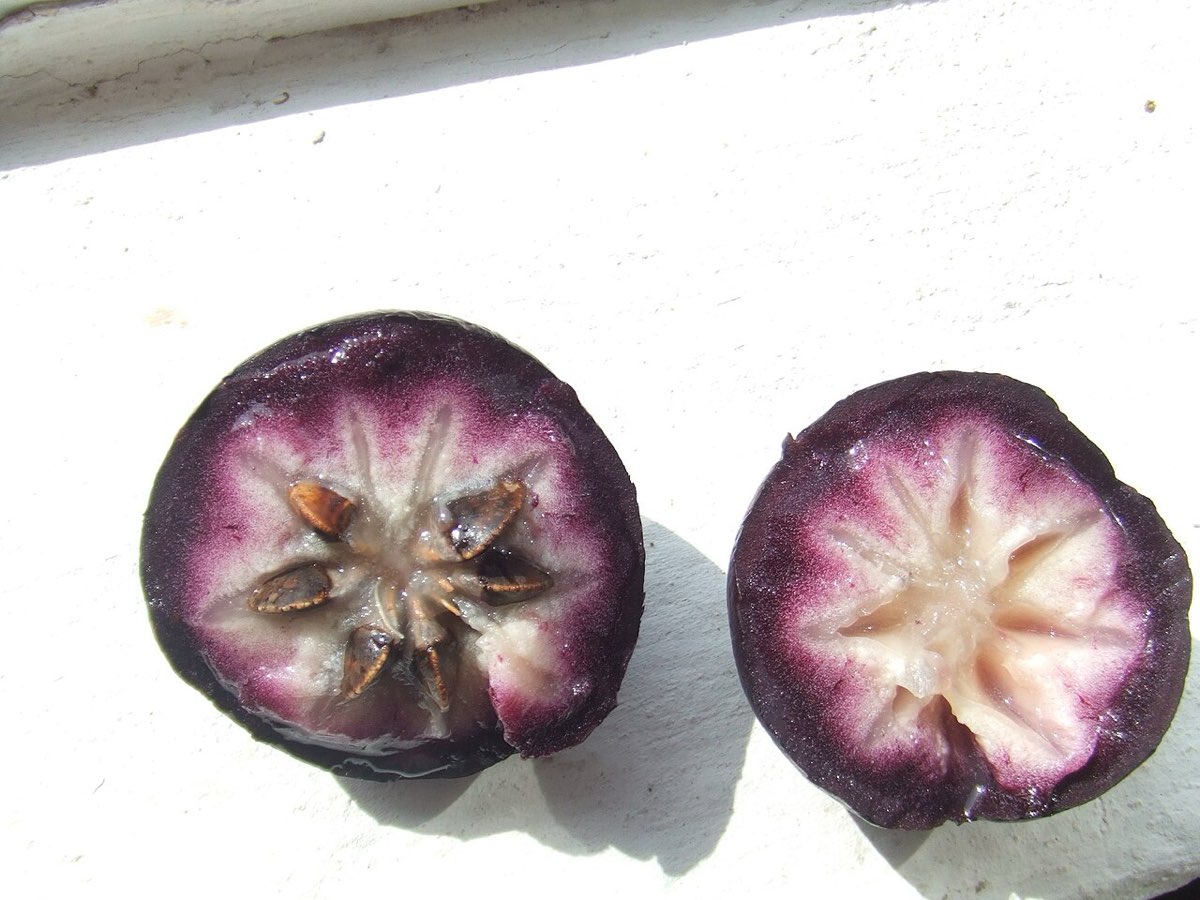
The most reliable trees are those that have grown in Maya solares for generations. The Sapodilla, or chicozapote, is native to the region and was once tapped for chicle; it tolerates drought, wind, poor soil and some salinity. The Red Mamey Sapote and the Purple Star Apple also thrive on limestone, as long as they get water during their first dry seasons.
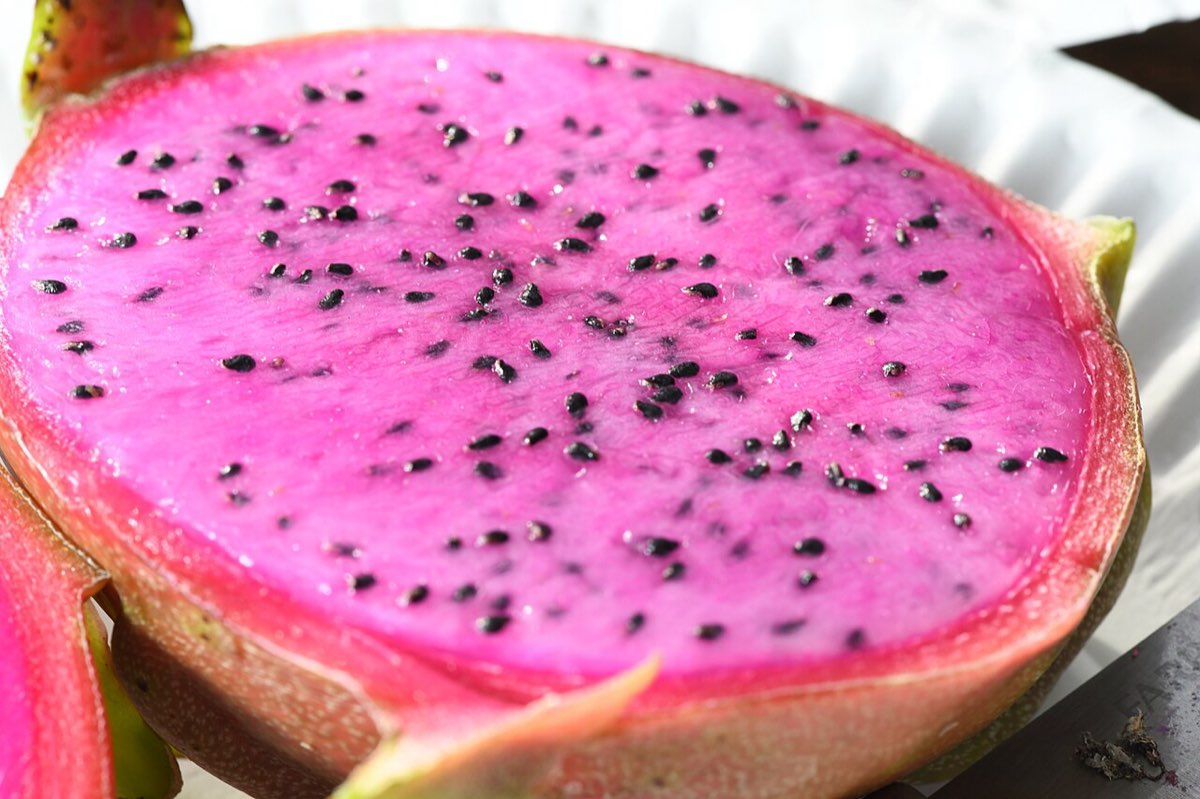
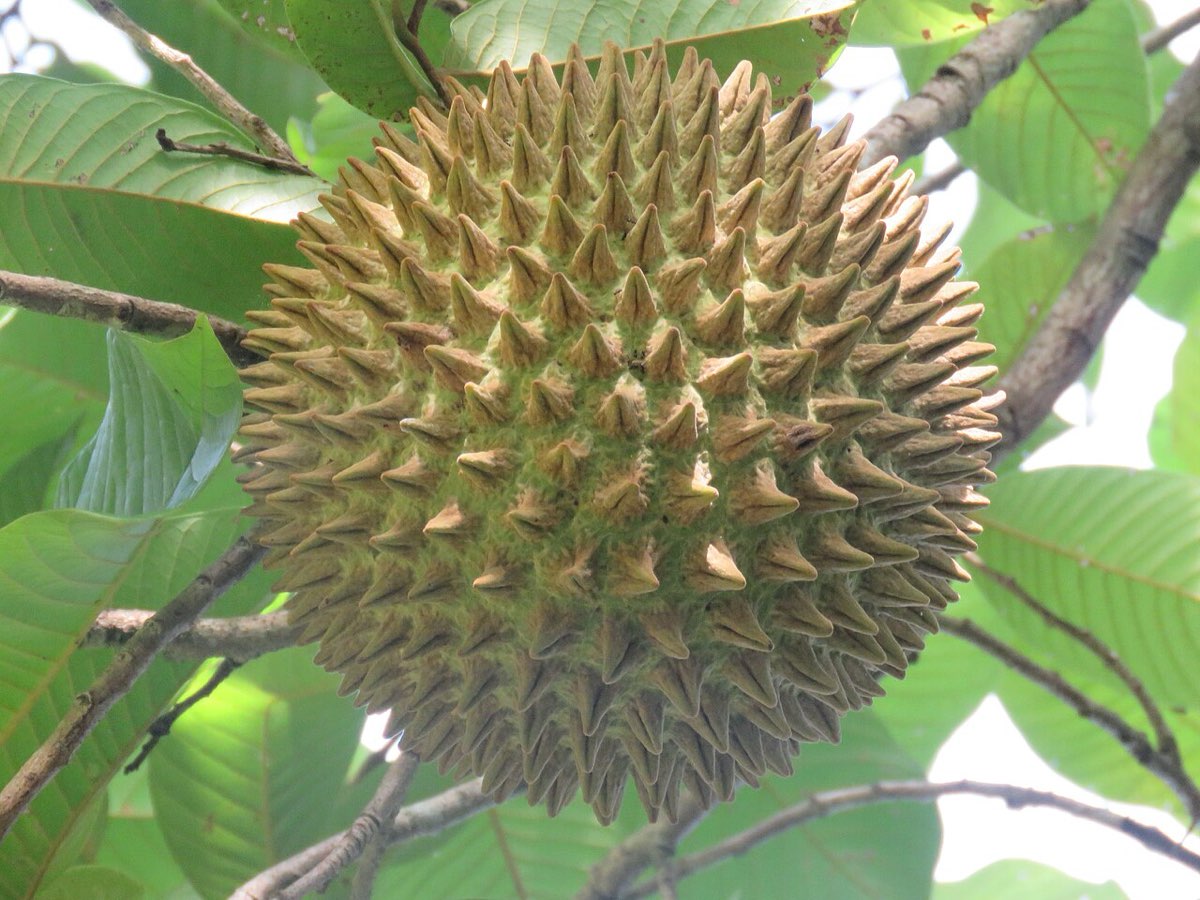
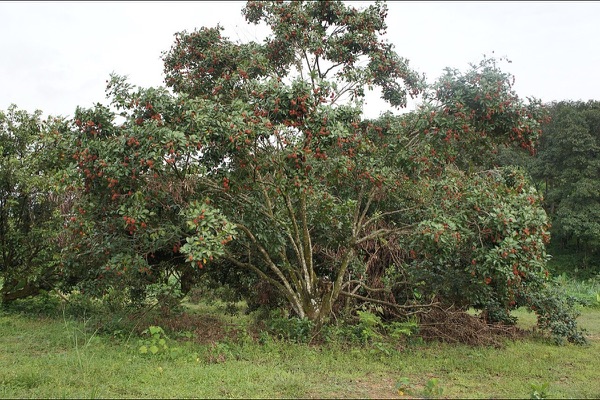
Other excellent choices are the Chincuya, an annona native to southeastern Mexico and Central America; the calabash tree, used for jícaras; the Surinam cherry, which makes a productive hedge; and the Dragon Fruit, a climbing cactus traditionally grown on stone walls and trees in Yucatán.
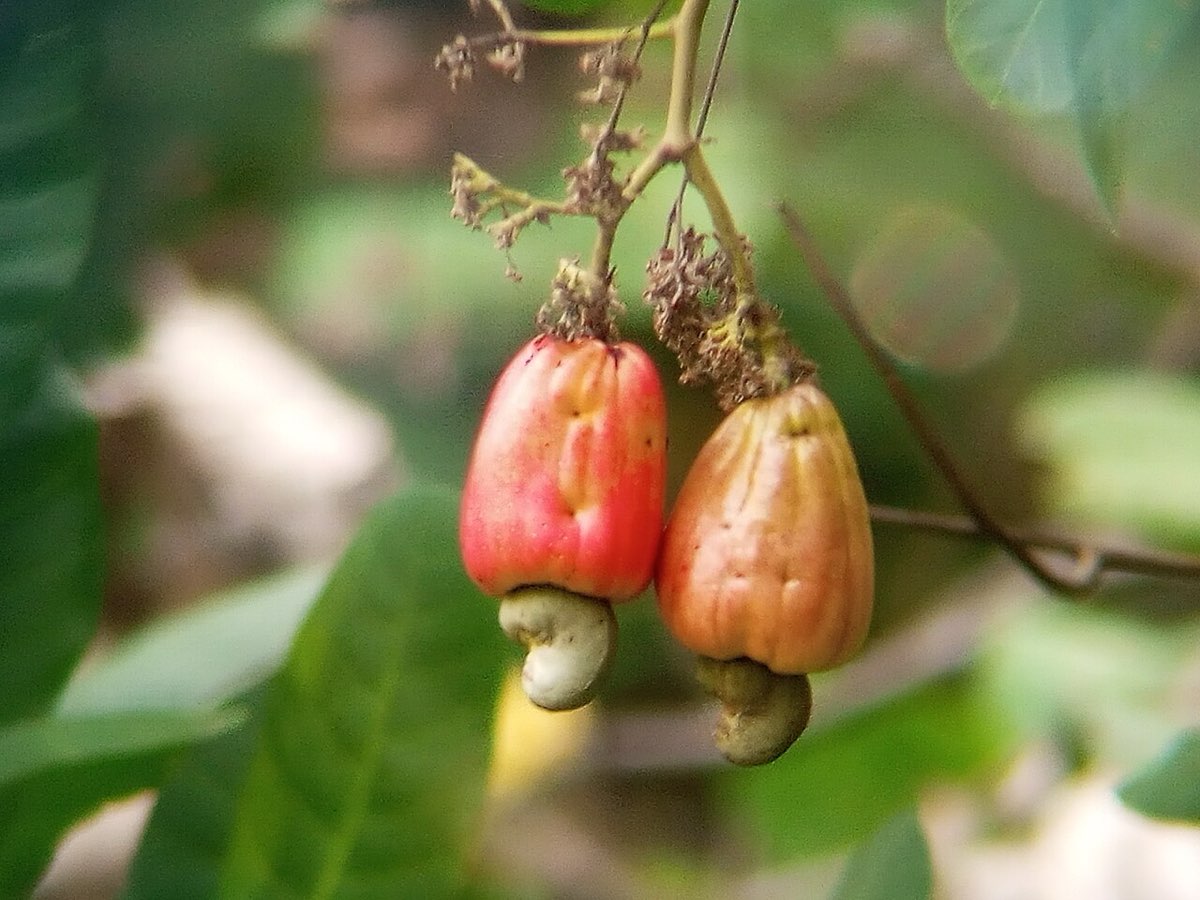
- Highly drought and heat tolerant: sapodilla, Cashew, calabash tree, dragon fruit, chincuya.
- Tolerant with irrigation in the dry season: mamey, star apple, mango, Surinam cherry, rose apple.
- Coastal areas with sand and salty wind: dwarf coconuts, sapodilla, sea-tolerant hedges in front of more sensitive trees.
Mango, avocado and citrus in Yucatán
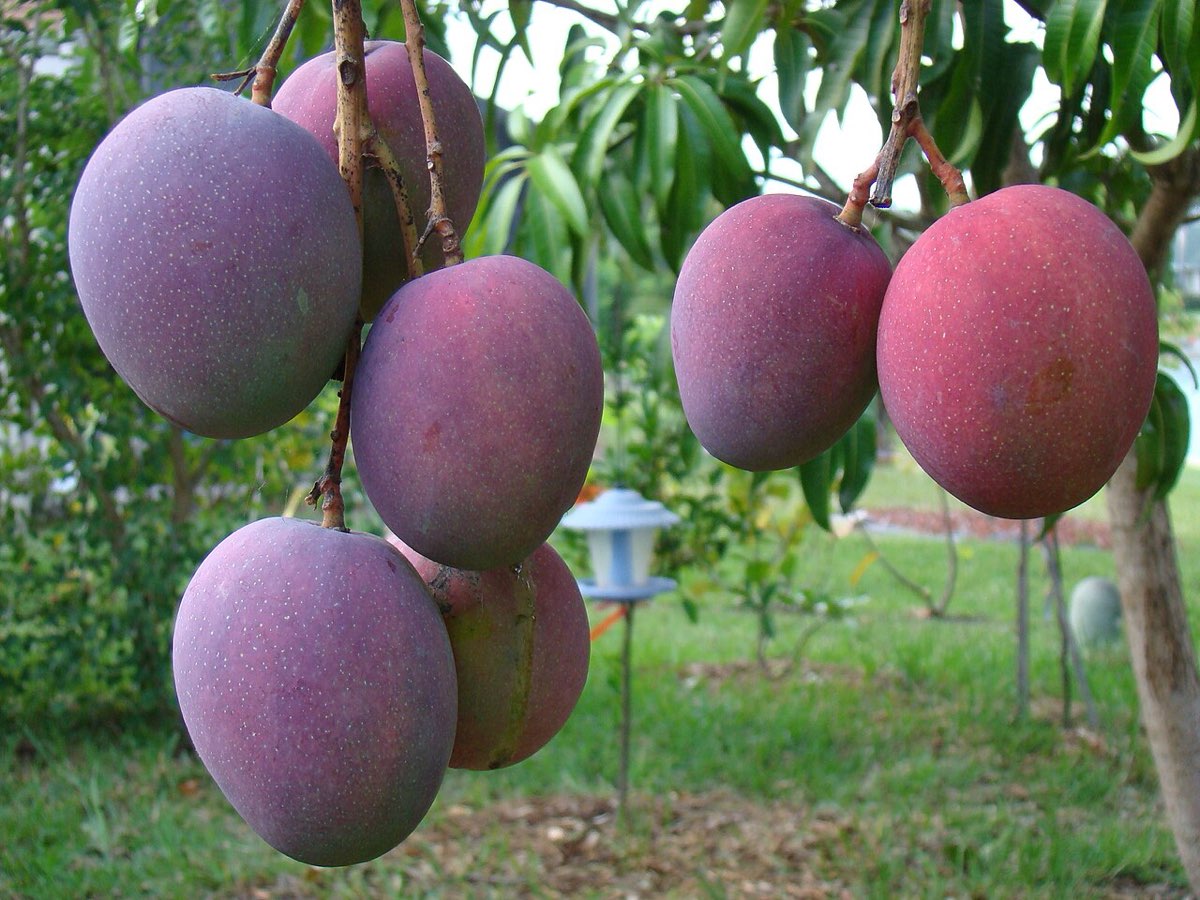
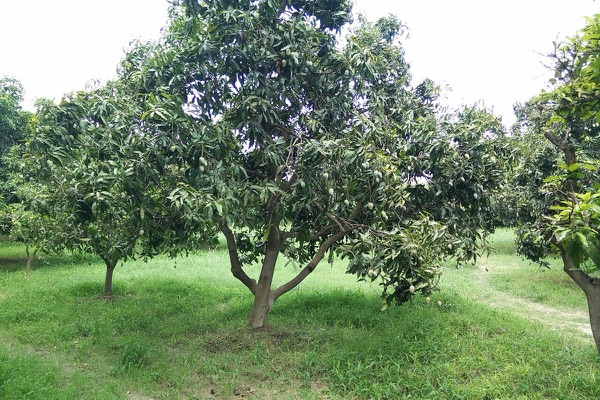
Mango grows very well in Yucatán, and the long dry season actually helps it flower. Varieties such as Tommy Atkins Mango, Ataulfo and Piña are all good choices. Water young trees regularly, but reduce watering on mature trees from November until the fruit has set.
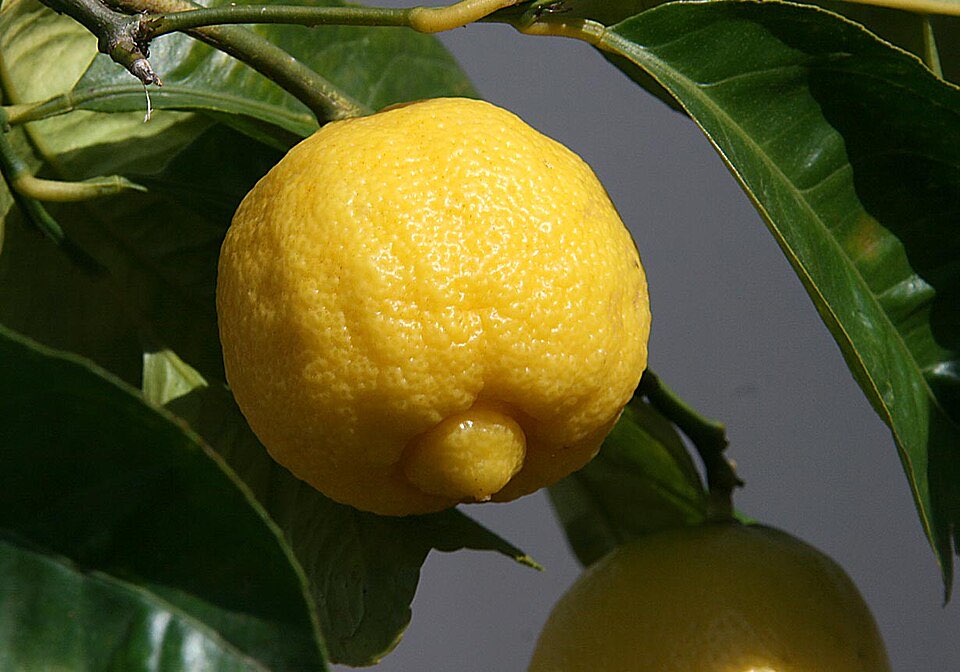
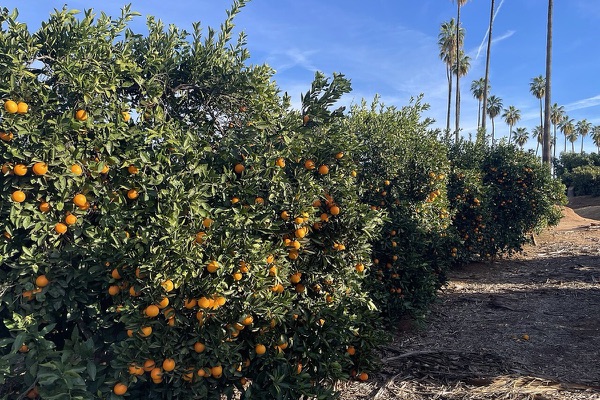
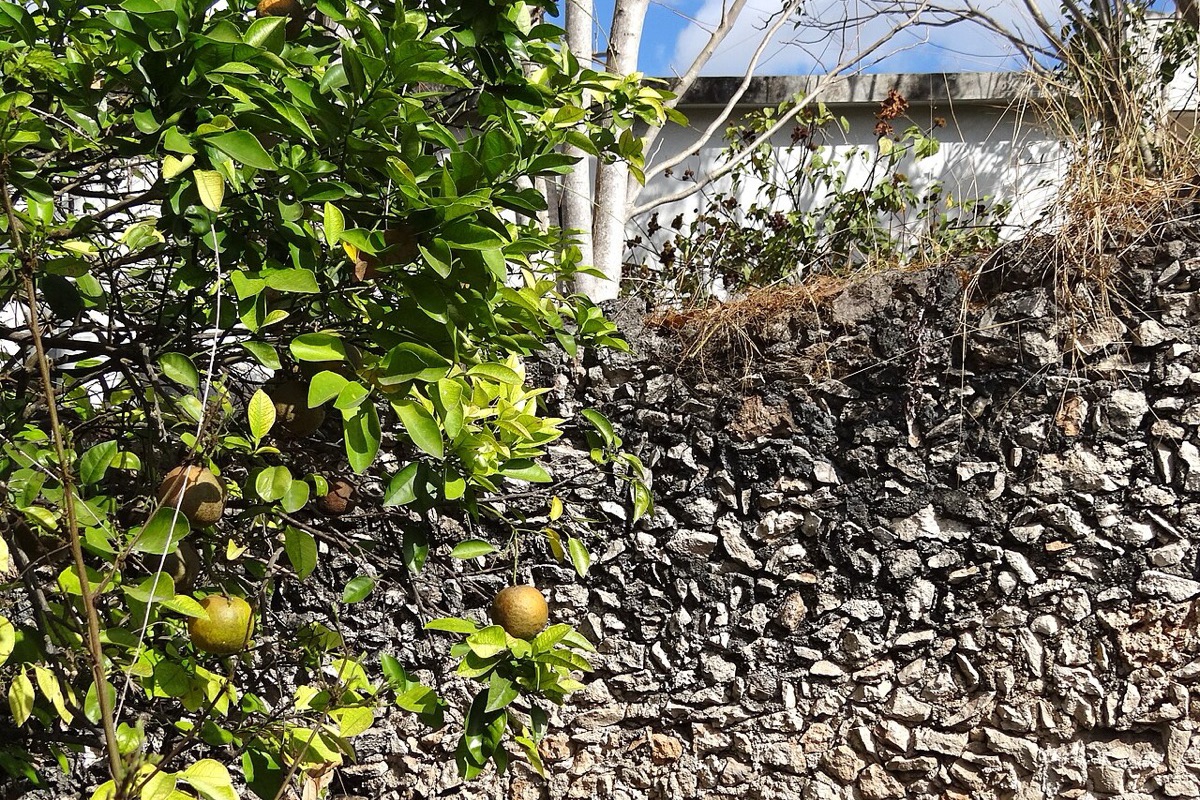
Citrus are traditional in the south of the state, around Oxkutzcab and Akil, where orange and lime orchards are part of the landscape. In home gardens they usually need chelated iron and micronutrients to avoid yellow leaves. The Chiche Sweet Lime, Persian lime and Valencia orange are good options. Avocado is possible, especially West Indian-type hybrids such as Booth 8, but it requires perfect drainage and a thick mulch.
How to plant on limestone
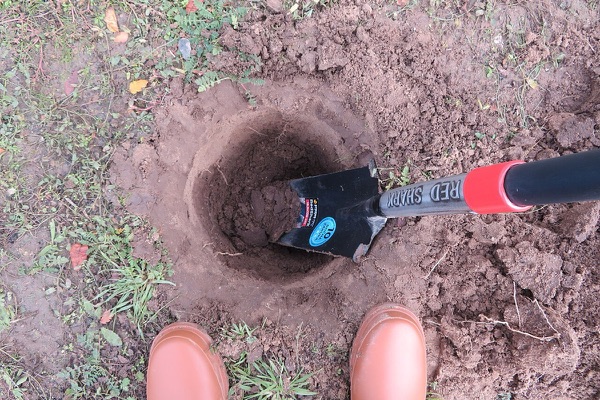
The quality of the planting hole determines how fast a tree grows in Yucatán. Aim for a hole at least 60 to 80 centimetres wide and as deep as you can reasonably get. Use a pick and a steel bar to break the laja; even fractured rock at the bottom helps, because roots will follow the cracks. Some gardeners look for natural pockets of soil between rocks.
Fill the hole with a mix of red soil, compost or well-rotted manure, and some coarse material. Avoid filling it only with very fine soil, which compacts. After planting, build a cajete, a ring of soil or stones that forms a basin around the tree, so that irrigation water and rain soak in instead of running off.
Water and mulch in the dry season
During the first two dry seasons, deep watering is essential: two or three times a week for young trees, ideally early in the morning or at dusk. A drip line or a bucket with small holes placed beside the tree saves a lot of water. From the third year on, most of the trees on this list need only occasional watering during long dry spells.
Mulch is your best ally against the heat. A layer of eight to ten centimetres of dry leaves, palm fronds, chipped branches or grass clippings keeps the soil cool, reduces evaporation and, as it breaks down, adds organic matter that slightly lowers the pH around the roots. Renew it every year before the hot season.
Trees that are better in pots
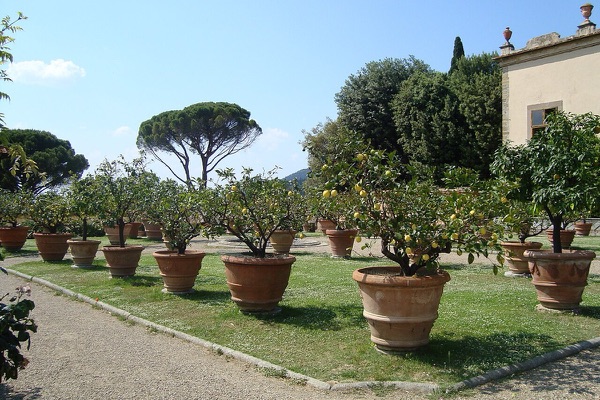
Some exotic species simply dislike alkaline soil. Mangosteen, rambutan, miracle fruit and durian need acidic soil and high humidity. In Yucatán it is better to grow them in large containers with an acidic mix based on coconut fibre or peat and bark, in a semi-shaded, sheltered spot, and to water them with rainwater collected during the rainy season or with filtered water, since tap water here is very hard.
A sample layout for a backyard in Mérida
In a typical backyard of about ten by twenty metres, place the largest trees, such as a mamey and a sapodilla, at the back, at least six metres from the house and from each other. Their canopies will eventually shade the rear of the lot and cool the whole garden.
In the middle zone, plant a mango kept to about four metres with yearly pruning, a sweet lime or Persian lime, and a star apple or chincuya. Use the boundary wall for dragon fruit, tied to the stones or to a post, and line one side with Surinam cherry as a productive hedge.
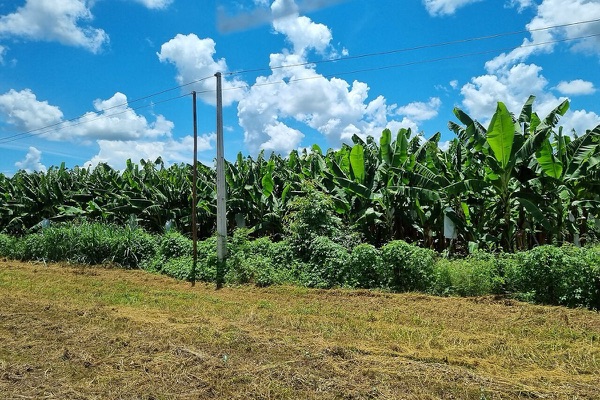
Close to the house, where the hose reaches easily, keep the thirstiest plants: bananas near the washing area, where they can use greywater from rinsing, and pots with acid-loving species in the shade of a porch. Cover every bed with thick mulch, and you will have a solar that produces fruit almost every month of the year.
Hurricane and nortes preparation
Plant large trees at a safe distance from the house. Keep the canopy balanced and lightly thinned so that wind passes through it, and do any major pruning before the hurricane season peaks in August to October. Stake young trees with flexible ties and check them after each storm. A windbreak of hardier trees on the north and east side of the garden protects more delicate species from nortes and sea breezes.
Questions & Answers
What fruit tree grows fastest in Mérida?
Surinam cherry, dragon fruit and bananas are among the quickest to produce. Among trees, mango and citrus usually fruit within three to five years with good care.
Why do my trees get yellow leaves in Yucatán?
The alkaline limestone soil blocks iron and other micronutrients. Apply chelated iron to the soil, add plenty of organic matter and mulch heavily.
Do I need to break the limestone to plant a tree?
It is highly recommended. Break as much rock as you can and fill the hole with good soil and compost; roots will later follow the cracks in the laja.
Can avocado grow in Yucatán?
Yes, especially West Indian-type hybrids adapted to heat. It needs excellent drainage, a thick mulch and regular watering in the dry season.