Ornamental Trees for Mexican Gardens: Jacaranda, Magnolia and Mast Tree
A well-chosen tree shapes a garden for decades: it gives shade, frames the house, attracts birds and, in the case of the jacaranda, paints whole streets purple every spring. This guide compares the most popular ornamental trees for Mexican gardens, explains where each one thrives and shows how to plant them so they grow strong and stay out of trouble with walls and pipes.
Before you choose: size, roots and climate
The most common mistake with ornamental trees is planting a large species in a small space. Before you buy, measure the available area and think about the tree's size in fifteen years, not today. Check the distance to walls, cisterns, drains, overhead cables and your neighbour's property, and consider where the shade will fall in each season.
Climate is the second filter. Mexico's highlands, with cool, dry winters and occasional frost, suit different trees from the hot, humid lowlands of the south or the limestone plains of Yucatán. The good news is that there is an attractive option for every region.
Jacaranda: the classic spring show
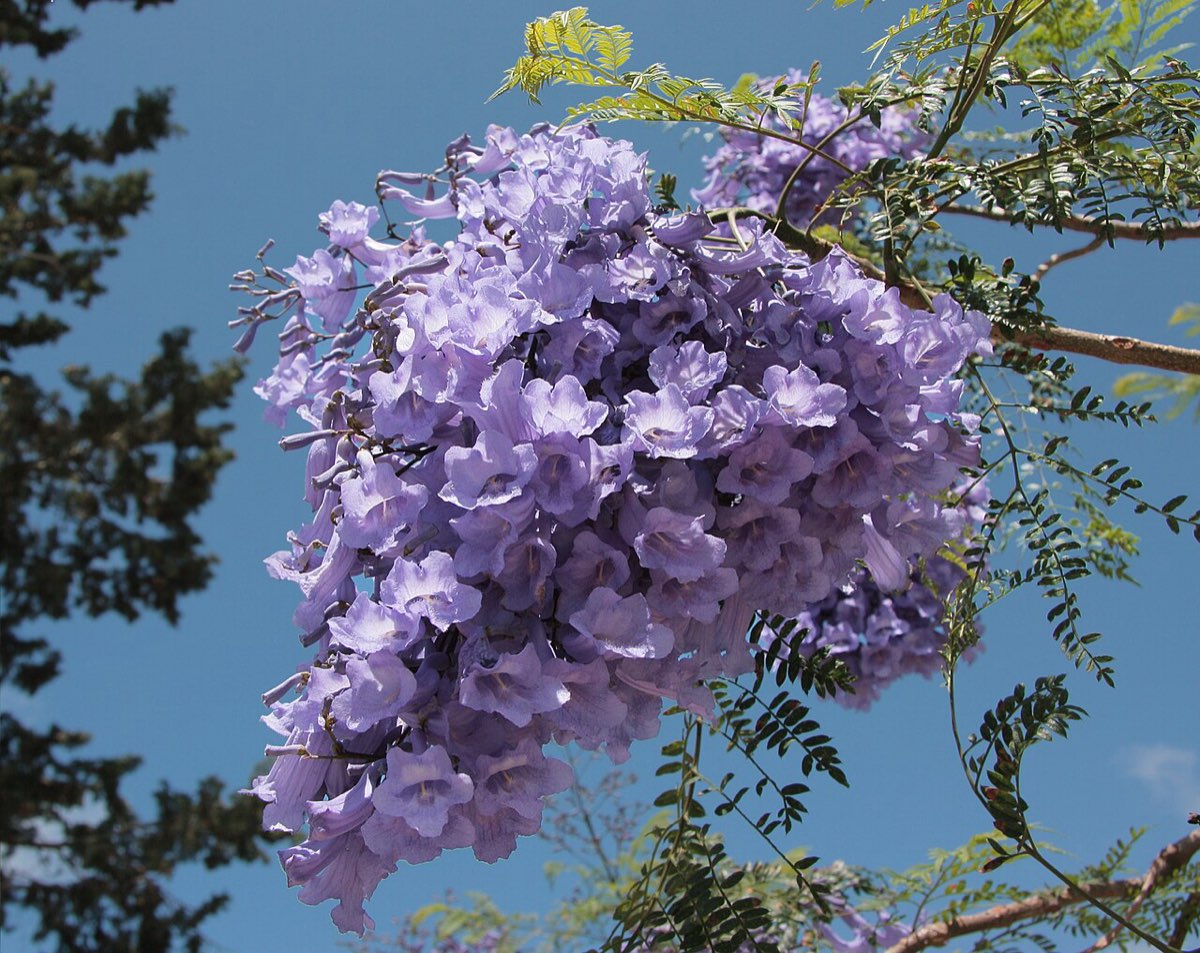
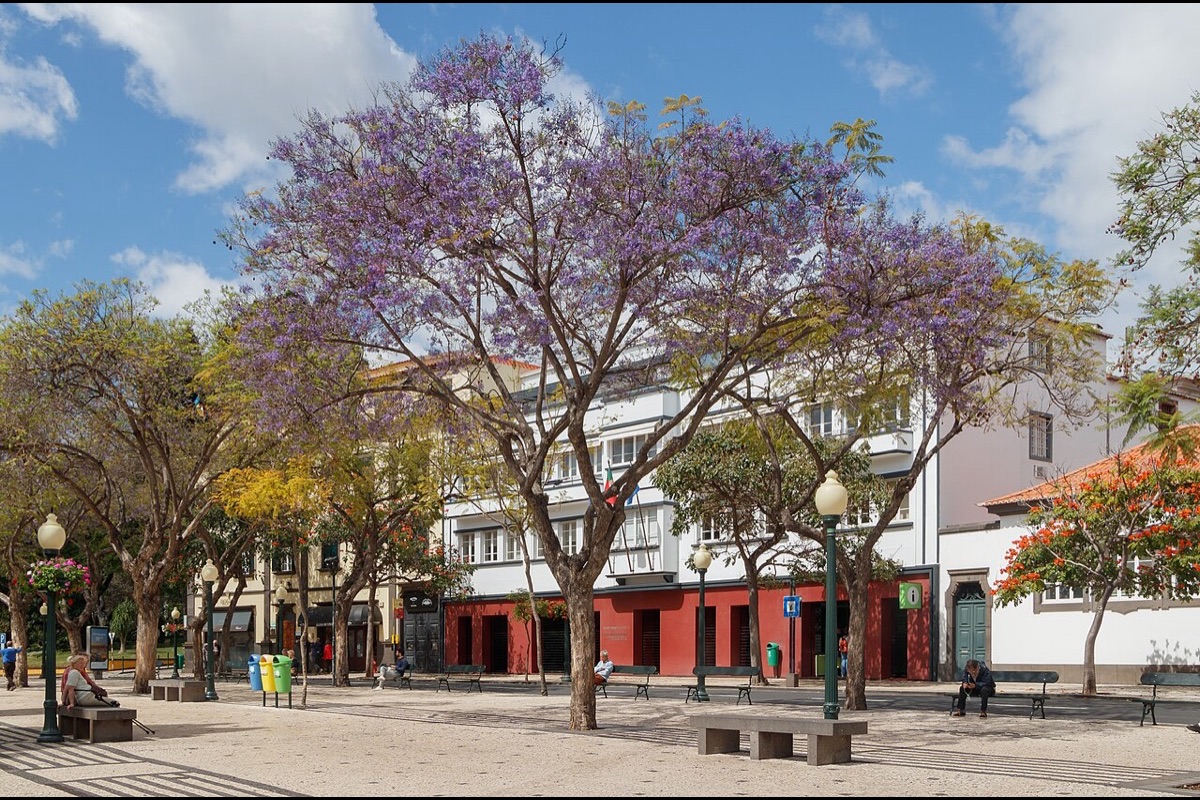
The Jacaranda is native to South America, but it has become a symbol of Mexico City, where it was popularised in the early twentieth century, and of many cities in the centre and west of the country. Between February and April, often after briefly dropping its leaves, it covers itself in lilac-blue bell-shaped flowers. It blooms most abundantly where there is a marked dry season and cool winter nights; in very humid lowlands it grows well but usually flowers less.
It is a fast-growing tree that reaches ten to fifteen metres with a wide, open canopy, so plant it at least five metres from buildings and three to four metres from pavements, since its surface roots can lift concrete. It needs full sun and well-drained soil and tolerates drought once established. Young trees should be protected from frost; mature trees withstand light frosts. Be patient: young jacarandas can take several years to produce their first big bloom.
Magnolia: fragrance and elegance
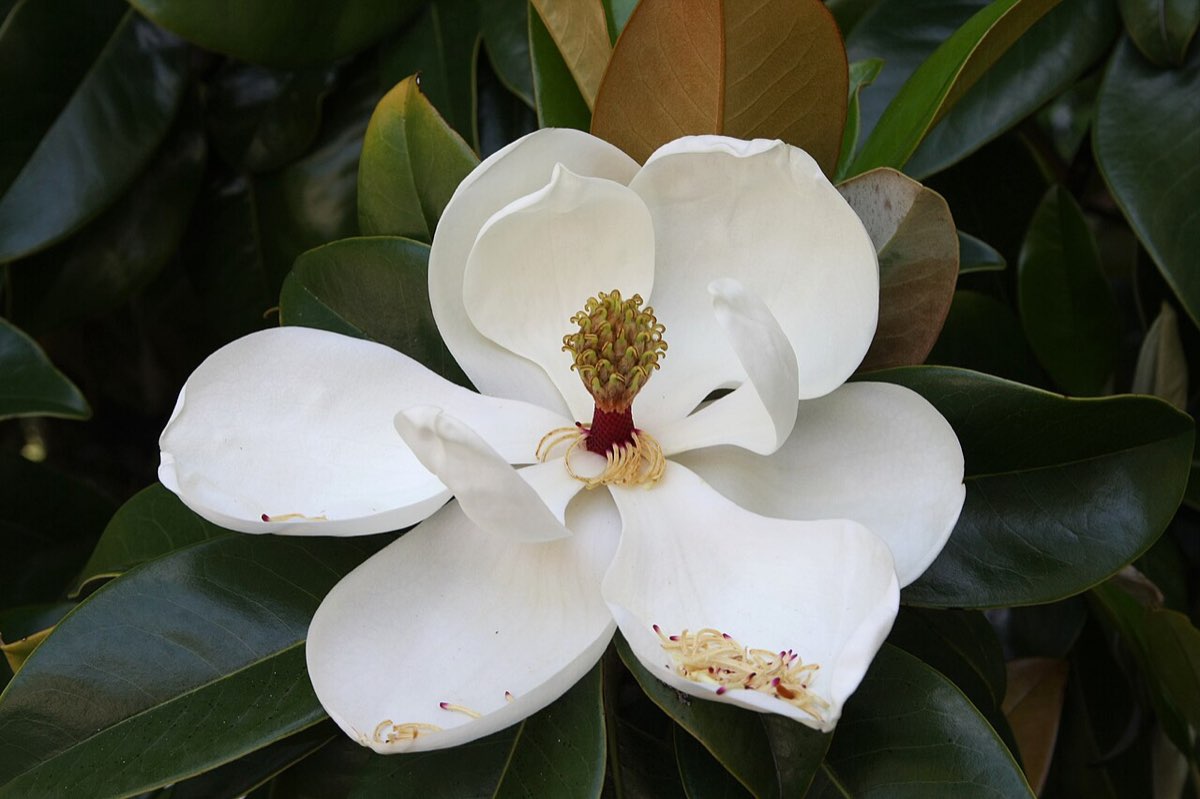
The Southern Magnolia offers large, fragrant flowers and glossy leaves. It grows at a slow to moderate pace and prefers deep, fertile, slightly acidic soil that stays moist but drains well. It is happiest in mild climates such as the Chiapas highlands, the central Veracruz mountains, Guadalajara, Morelia or the Valley of Mexico, where it tolerates light frost.
In hot lowlands and especially in the alkaline soils of Yucatán, magnolia is more of a challenge. If you want to try, plant it where it gets afternoon shade, prepare a large hole with plenty of compost, keep a thick mulch and water regularly in the dry season. Watch for yellow leaves with green veins, a sign of iron deficiency that can be corrected with chelated iron.
Mast tree: a green column for small spaces
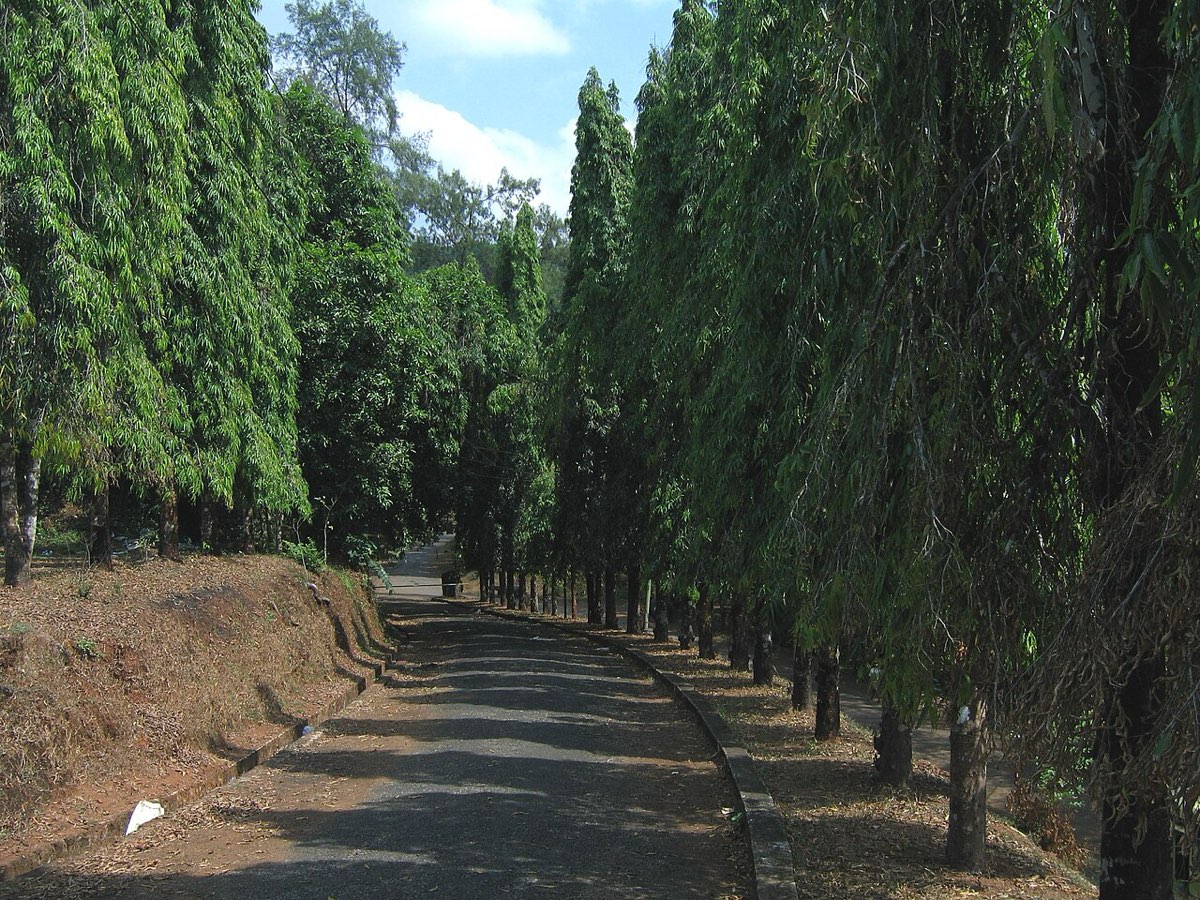
The Mast Tree is the solution for narrow gardens, boundaries and entrances. It grows straight up into a slim column of drooping, wavy leaves, reaching ten metres or more while staying only two or three metres wide. Planted in a row about two metres apart, it makes an elegant evergreen screen that blocks views and reduces noise and wind.
It loves heat and full sun, tolerates drought once established and adapts well to coastal climates and to Yucatán, which makes it a favourite for hot-climate gardens. It is sensitive to frost, so in the highlands plant it only in sheltered spots. Little pruning is needed beyond removing damaged branches.
Ornamental trees that also give fruit or fragrance
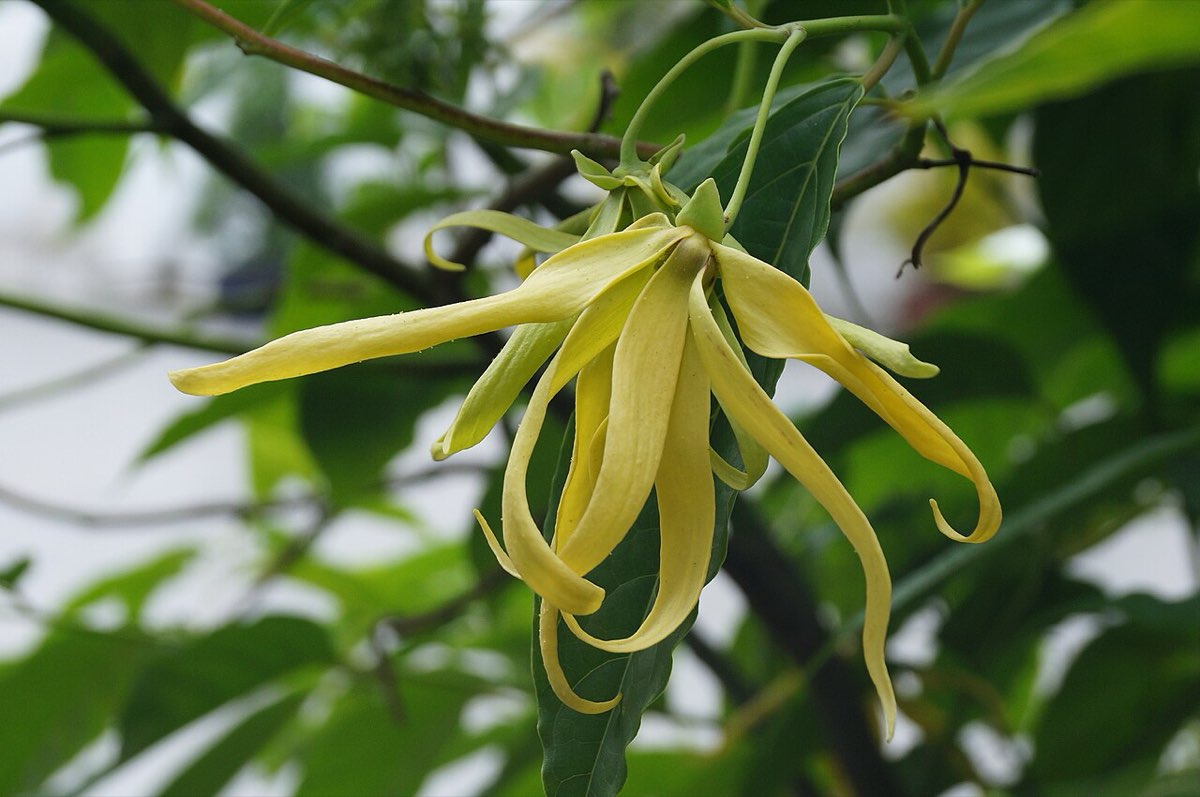
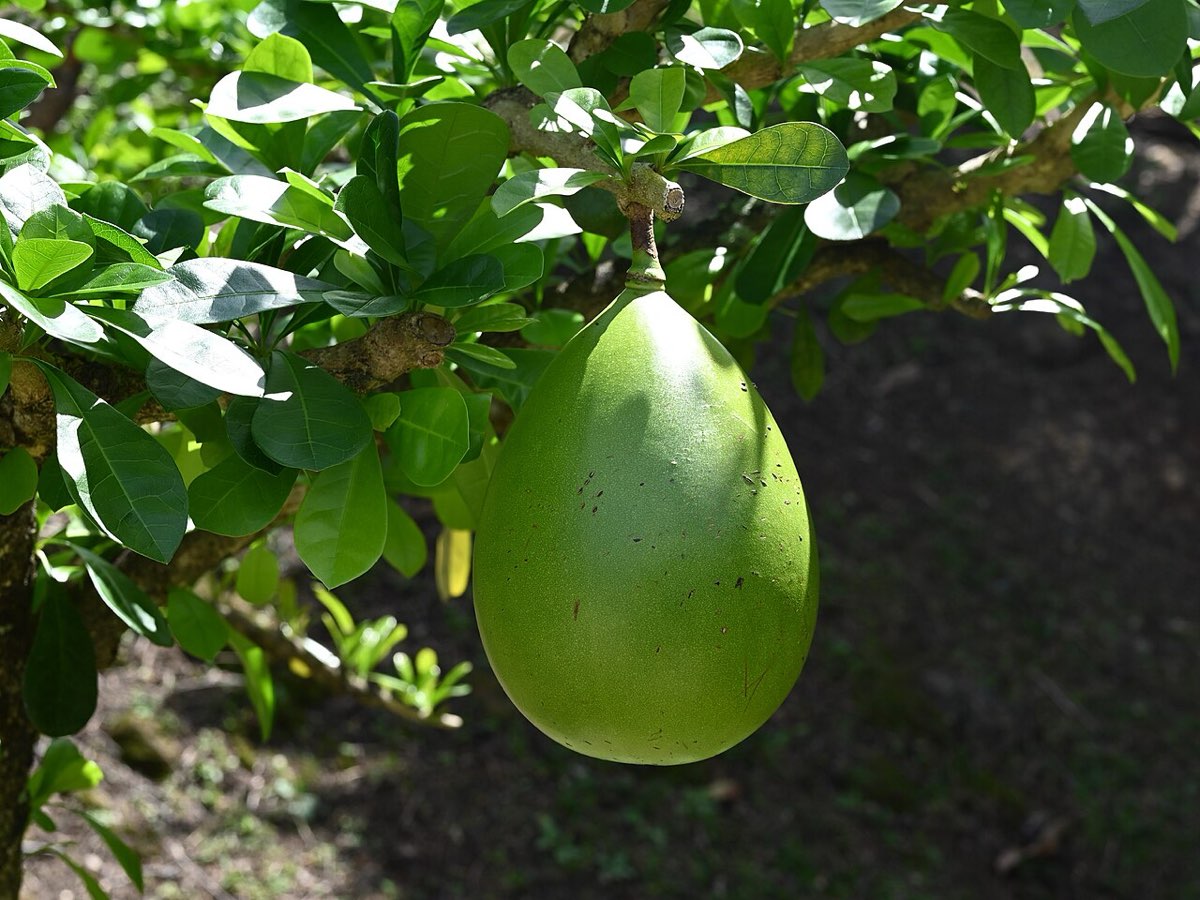
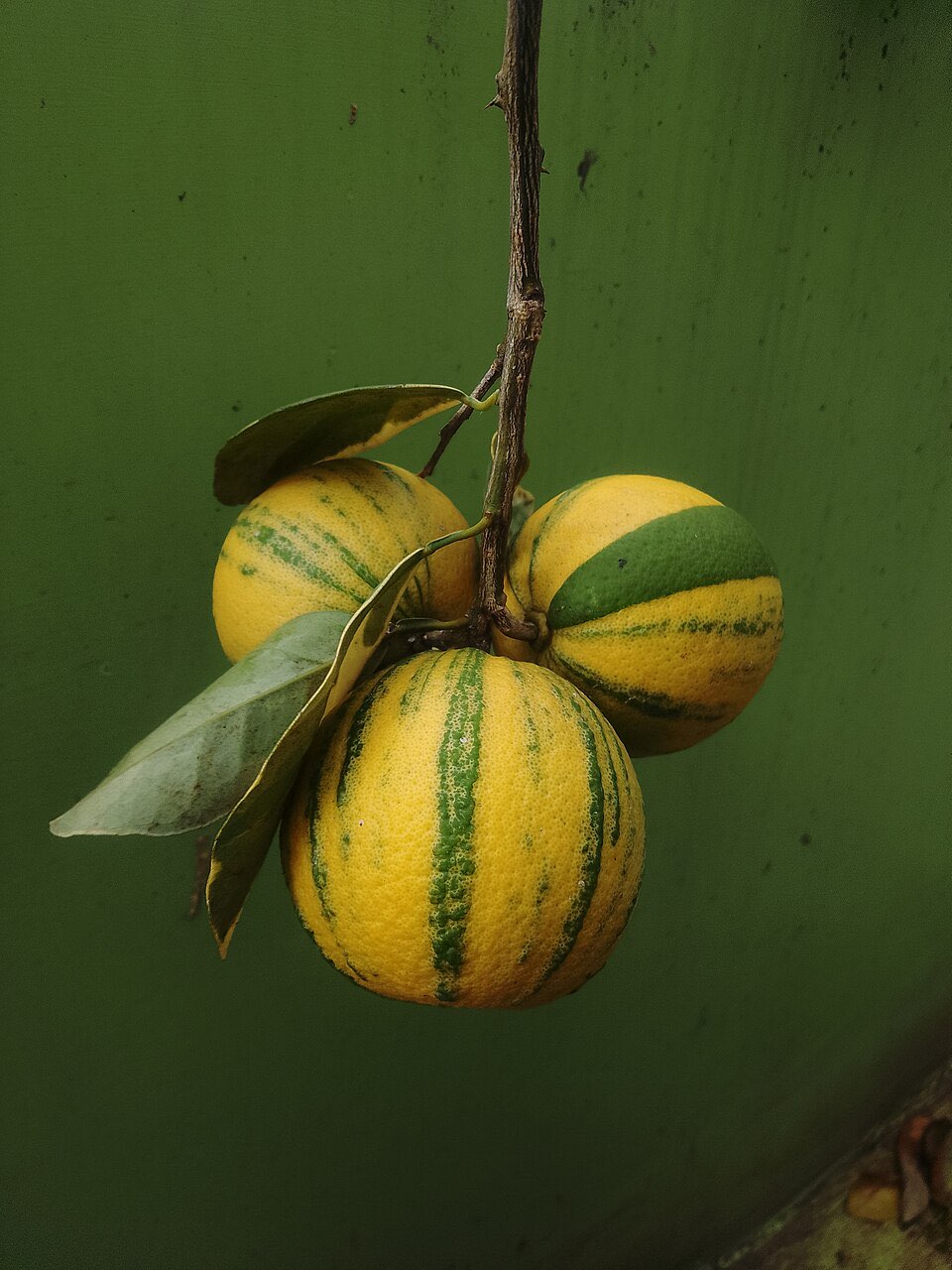
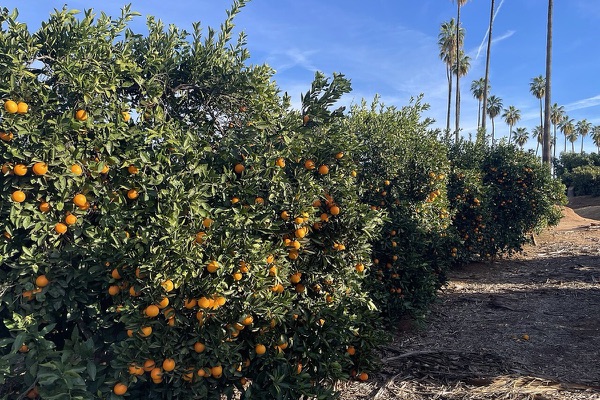
Some trees are both beautiful and useful. Ylang-Ylang grows quickly in warm, humid climates and fills the garden with the fragrance of its yellow-green flowers, especially in the evening. The Calabash Tree, native to Mexico, has a curious horizontal branching and hard round fruits growing directly from the trunk and branches; it is extremely tough in heat and poor soils. For a small garden or a large pot, a Variegated Orange offers cream-striped leaves and fruit, and orange blossom fragrance.
Quick guide by region
Use this summary as a starting point, and observe which trees grow well in the gardens and streets near you, since they are the best indicator of what your local climate supports.
- Central highlands and the Bajío (Mexico City, Puebla, Querétaro, Guadalajara, Morelia): jacaranda and magnolia are classic choices; protect young trees from frost.
- Hot, humid lowlands (Chiapas, Tabasco, Veracruz, the Caribbean coast): mast tree, ylang-ylang and calabash tree thrive; magnolia only with afternoon shade.
- Yucatán and other limestone areas: mast tree and calabash tree are very reliable; jacaranda grows well with a good planting hole, though it usually flowers less than in the highlands.
- The north, with hot summers and cold winters: jacaranda in sheltered sites; frost-sensitive trees such as mast tree and ylang-ylang only in protected courtyards.
Planting an ornamental tree
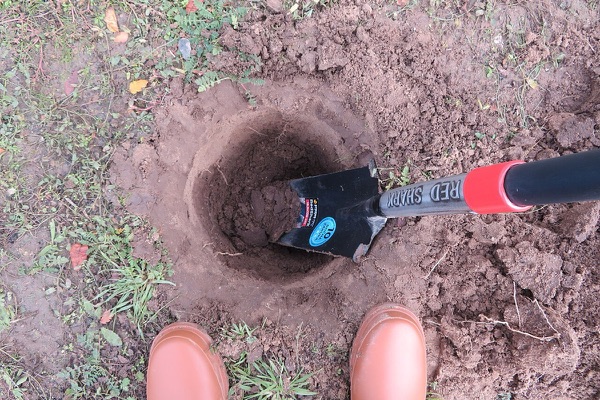
Plant at the beginning of the rainy season whenever possible. Dig a hole two to three times as wide as the root ball and as deep as the root ball, loosen the sides and mix some compost into the backfill. Set the tree at the same depth it grew in the nursery, never deeper.
Water slowly until the soil is soaked, build a small basin of soil around the planting area to hold water, and cover it with mulch, keeping a gap around the trunk. On windy sites, support the tree with one or two stakes placed outside the root ball and loose ties; remove them after a year so the trunk grows strong.
- First dry season: deep watering two or three times a week in hot areas.
- Second year: water weekly, then only during long dry spells.
- Feed with compost or a balanced fertiliser at the start and middle of the rainy season during the first three years.
Pruning for a strong structure
Formative pruning in the first years prevents problems later. Keep a single main trunk, remove branches that cross or compete with the leader, and gradually raise the canopy by removing low branches if you need to walk underneath. Avoid topping trees: cutting the main trunk causes weak, crowded regrowth. Prune jacaranda after flowering and do major work on any tree outside the hurricane season peak, so fresh wounds are not exposed to storms.
Questions & Answers
How far from the house should I plant a jacaranda?
At least five metres from buildings and three to four metres from pavements and pipes, since it becomes a large tree with surface roots.
Which ornamental tree is best for a narrow garden?
The mast tree, because it grows tall but stays only two to three metres wide. It works well as a living screen along boundaries.
Does magnolia grow in hot climates?
It grows best in mild climates. In hot lowlands it needs afternoon shade, rich soil and regular watering, and in alkaline soils it may need chelated iron.
When do jacarandas bloom in Mexico?
Mainly from February to April, during the dry season, although the exact timing varies from city to city and year to year.