How to Grow Heliconias: Planting, Care and Flowering
Few plants say tropical garden like a heliconia in flower. Their bold bracts in red, orange, yellow and pink last for weeks on the plant and in the vase, and many species are native to the forests of southern Mexico and Central America. This guide explains how to plant heliconias from rhizomes, which varieties to choose and how to keep them blooming.
Getting to know heliconias
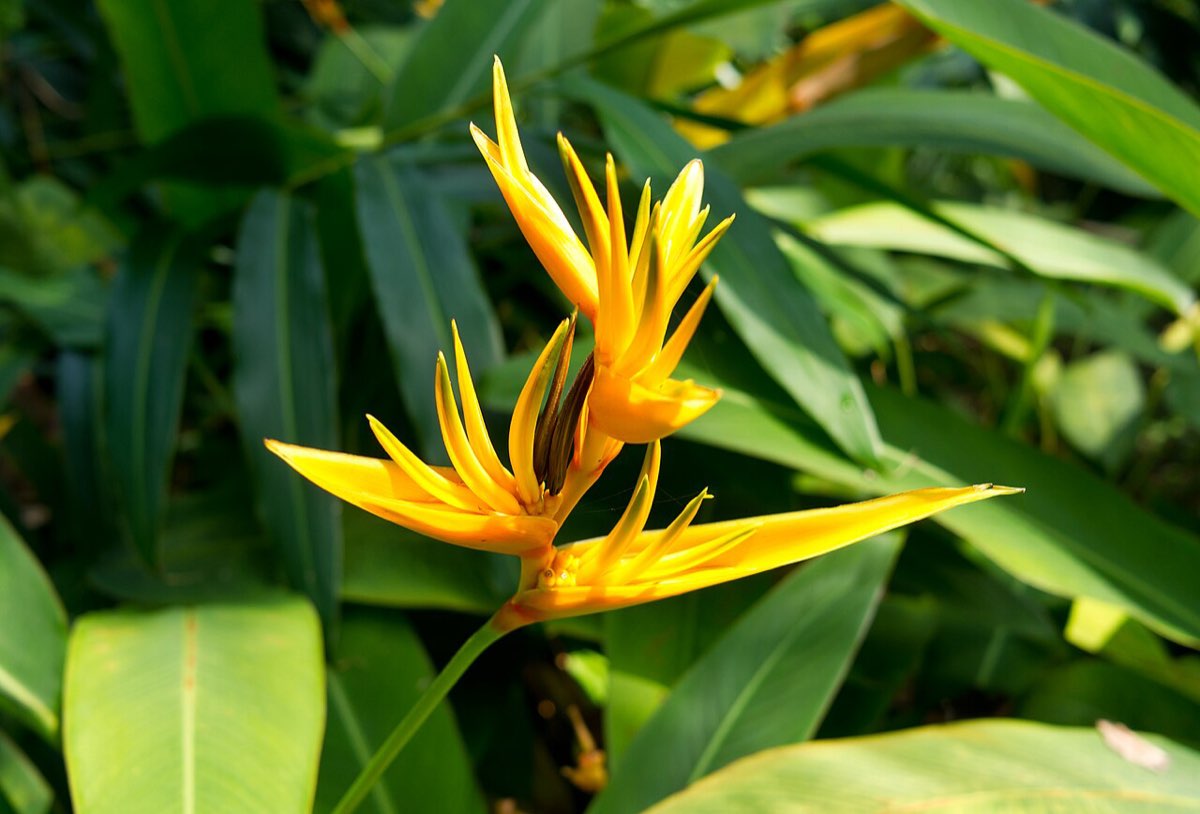
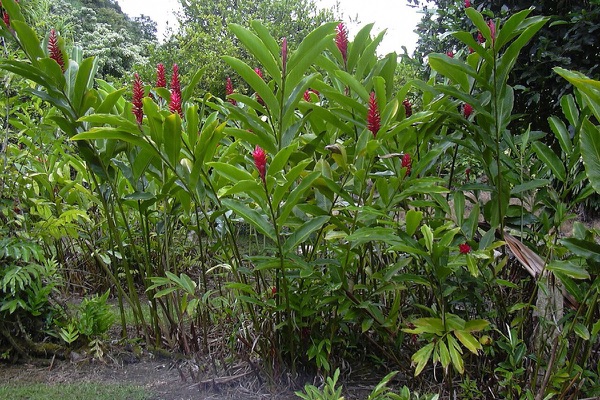
Heliconias are large herbaceous plants related to bananas and the bird of paradise. They grow from underground rhizomes and form clumps of upright stems with paddle-shaped leaves. Each stem produces a single inflorescence, made of colourful boat-shaped bracts that hide the small true flowers. Hummingbirds visit them constantly, which makes them a living feeder for your garden.
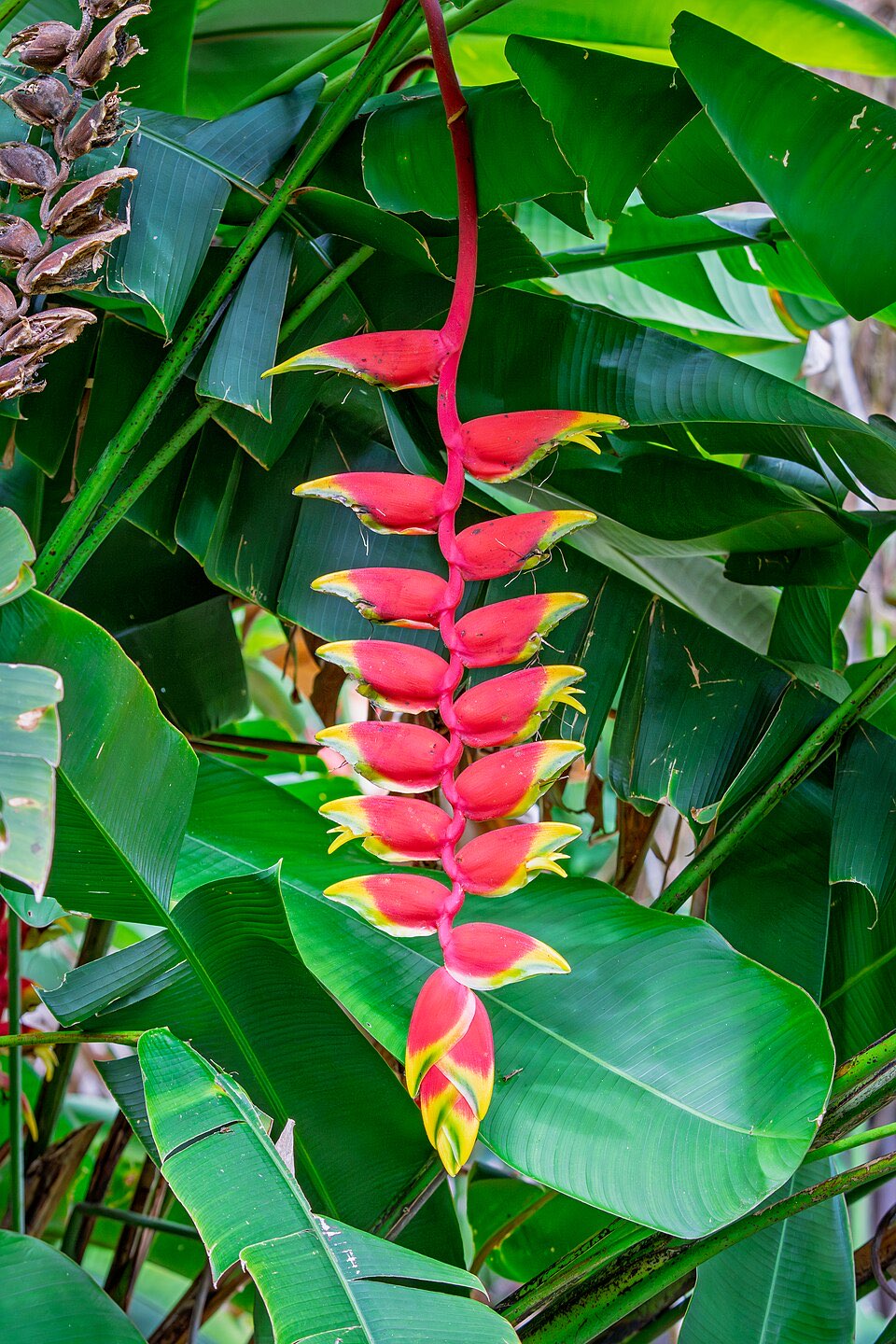
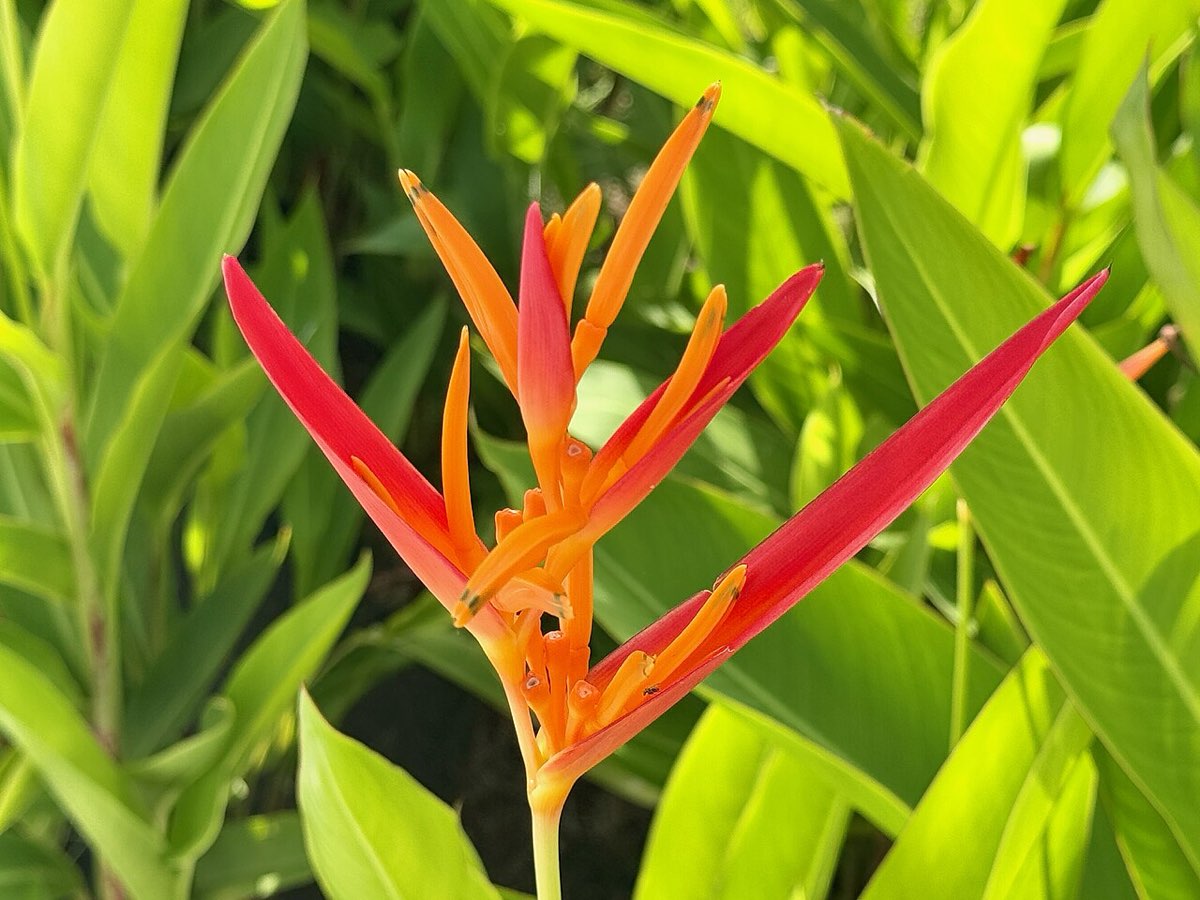
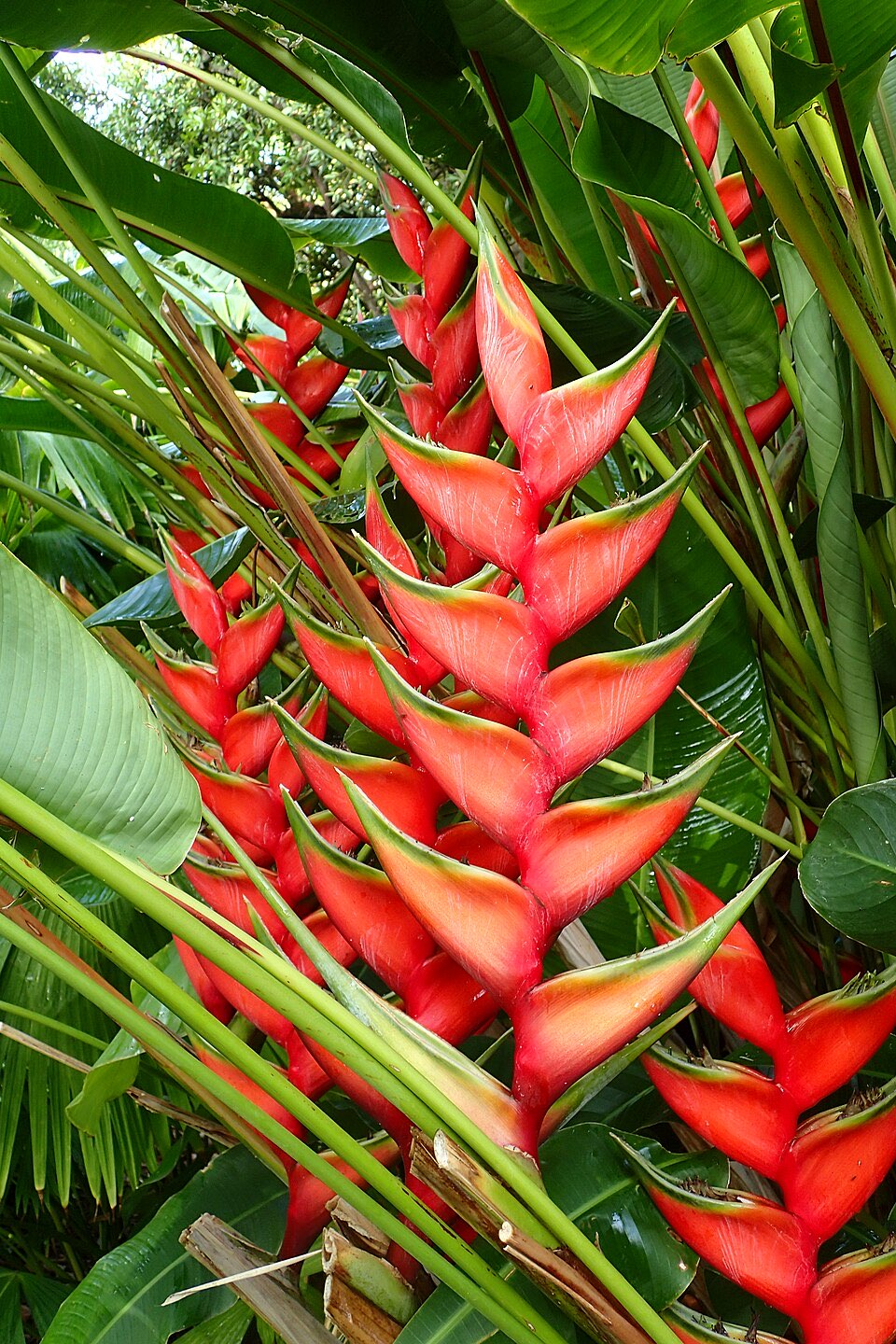
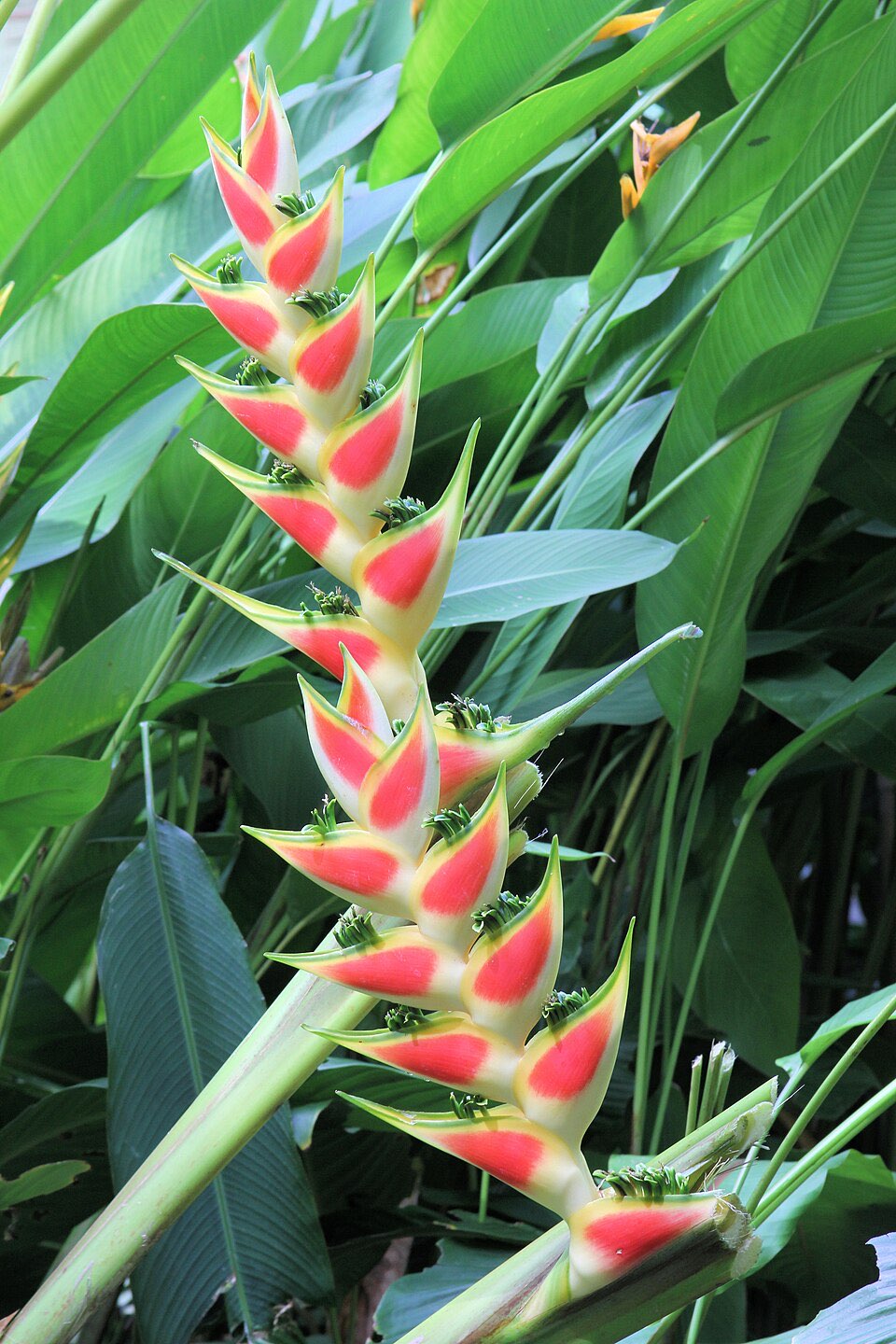
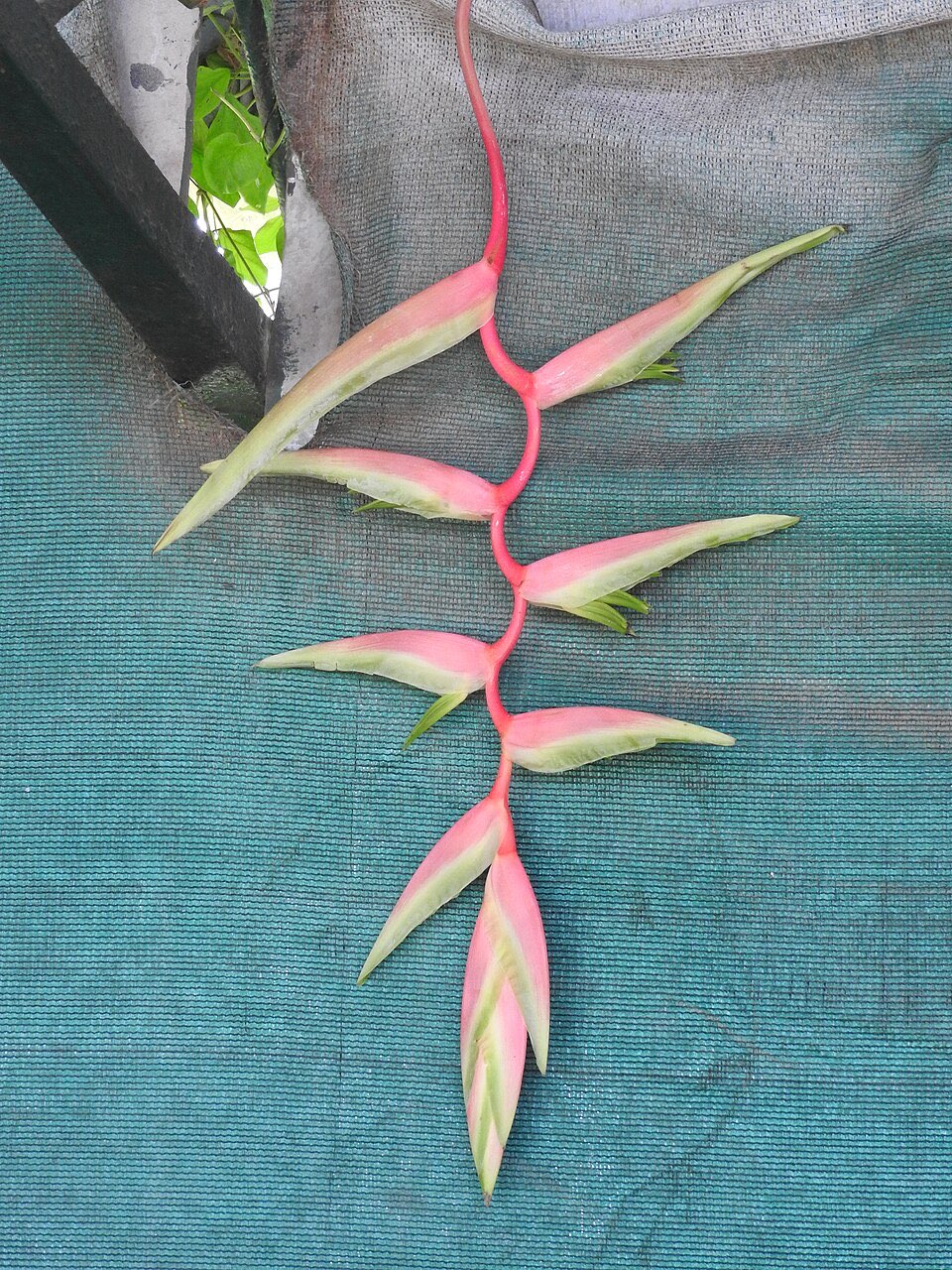
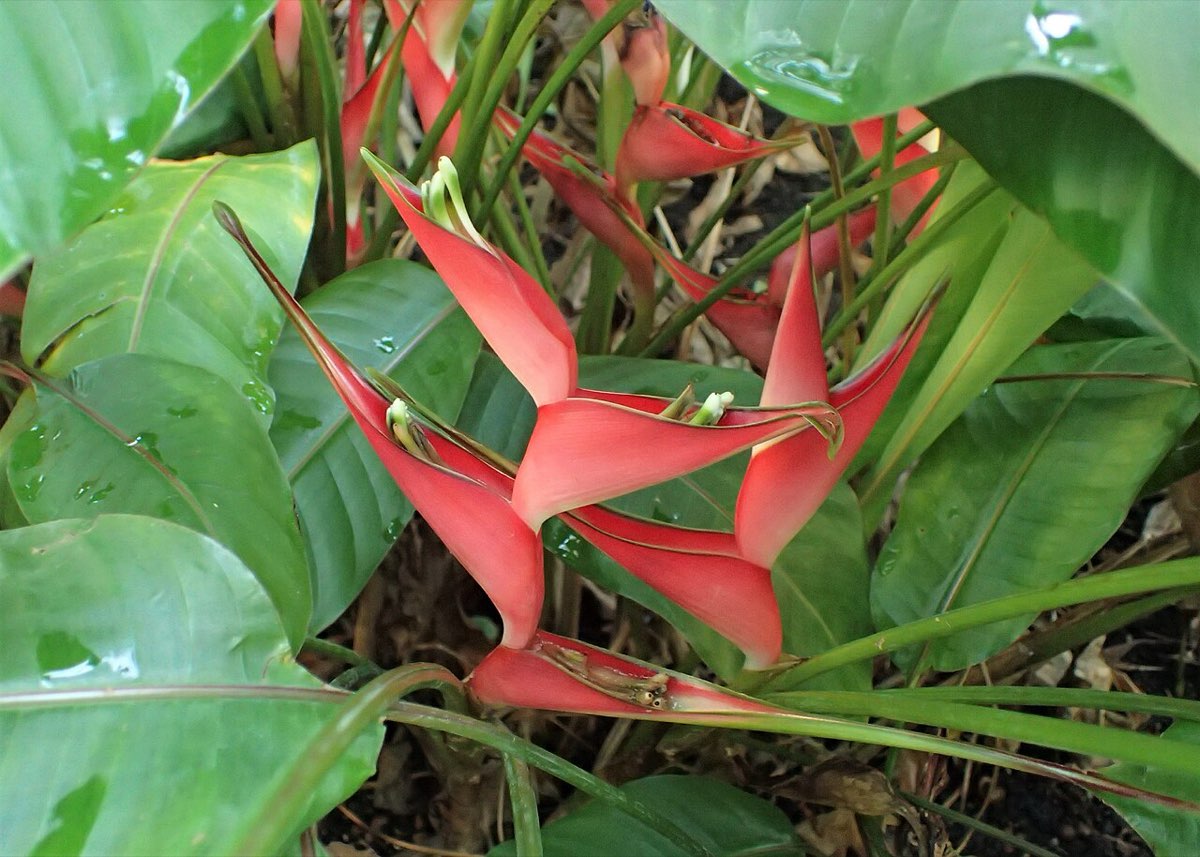
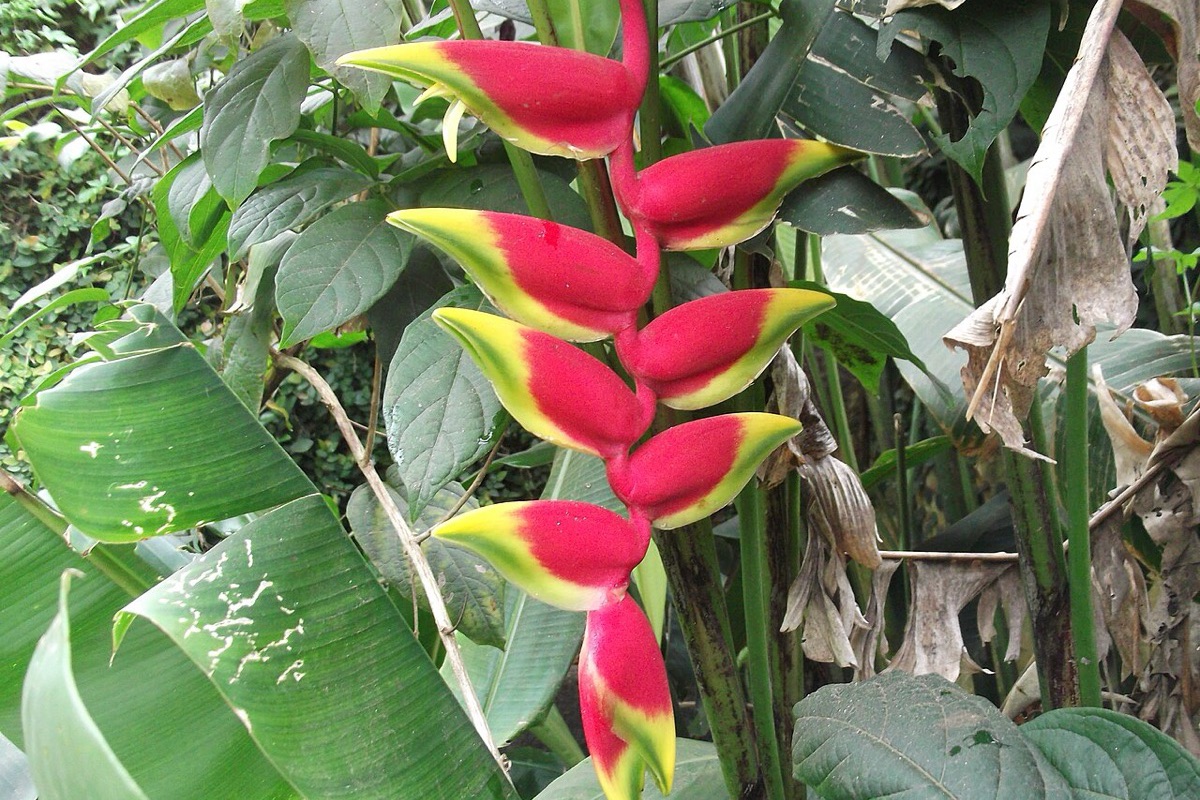
Heliconias are divided by habit. Some have upright inflorescences, such as the parrot's beak and the lobster claw; others hang down in long chains, such as the hanging lobster claw and Sexy Pink. Sizes vary from compact plants of about one metre to giants of four or five metres, so check the expected height before you plant.
- Compact, nearly year-round bloom, good for borders and pots: Parrot's Beak Heliconia, Lady Di Heliconia, Golden Torch Heliconia.
- Medium, upright: Firebird Heliconia, She Kong.
- Large, upright: Lobster Claw Heliconia, Caribaea, Wagneriana Heliconia (Rainbow).
- Large, hanging: Hanging Lobster Claw Heliconia, Sexy Pink Heliconia.
Climate and location
Heliconias love heat and humidity. They grow fastest with temperatures between 22 and 35 °C, slow down below 15 °C and many species are damaged below 10 °C; frost kills the foliage. That makes the humid lowlands of Chiapas, Tabasco, Veracruz and the Mexican Caribbean ideal, while Yucatán works well with irrigation during the dry season. In the highlands, they are best kept in pots or in very sheltered courtyards.
Most heliconias flower best in full sun or with light shade during the hottest hours. The compact psittacorum types tolerate the most sun. Large hanging types appreciate a little afternoon shade in hot, dry areas, which keeps their leaves from tearing and scorching. Choose a spot sheltered from strong wind, since the large leaves shred easily.
Which heliconias for which region
In the hot, humid lowlands of Chiapas, Tabasco, Veracruz and Quintana Roo, almost every heliconia thrives, including the large Caribaea, lobster claw and hanging species, which need space, rain and warmth all year. Here the main task is giving them room and rich soil.
In Yucatán and other places with a long dry season, the compact psittacorum types and the hanging lobster claw are the most reliable, provided they get irrigation from December to May, a raised bed rich in compost and some afternoon shade. Along the Pacific coast, from Nayarit to Oaxaca, the same rules apply: water during the dry months and shelter from hot, drying winds.
In the central highlands and the north, heliconias are best treated as container plants. Compact varieties such as Lady Di or Golden Torch can spend the warm months outdoors in a sunny, sheltered spot and move under cover or indoors near a bright window when cold fronts arrive. Expect slower growth and fewer flowers than in the tropics.
Planting heliconia rhizomes
Heliconias need loose, rich, well-drained soil that stays moist. Add plenty of compost to the planting area, especially in the thin, alkaline soils of Yucatán, where heliconias appreciate a raised bed filled with a mix of soil and organic matter.
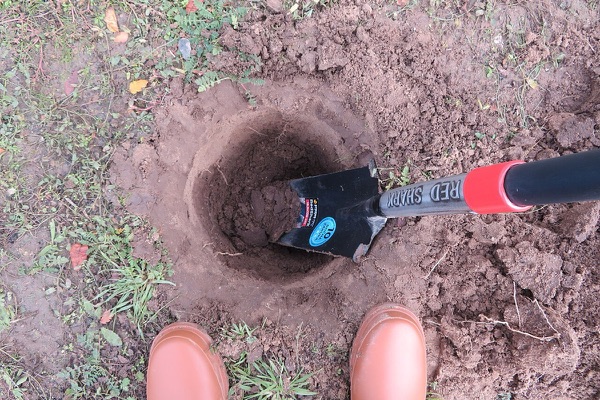
Plant the rhizome horizontally, five to ten centimetres deep, with any cut stem pointing upwards and slightly above the soil surface. Firm the soil and water well. Until new shoots appear, which usually takes three to six weeks, keep the soil just moist; too much water on a dormant rhizome can rot it. Space compact varieties about 60 to 90 centimetres apart and large ones one and a half to two metres apart, as they spread quickly.
Water, feeding and mulch
Once growing, heliconias are thirsty. Water deeply several times a week in the dry season, from roughly December to May, and keep a thick layer of mulch over the root zone all year. Dry soil is the most common reason for brown leaf edges and poor flowering.
These plants are heavy feeders. Apply compost or a balanced fertiliser every month during the growing season and add a fertiliser with more potassium when the plants start flowering. On alkaline soils, yellow leaves with green veins indicate iron deficiency; chelated iron and plenty of organic matter usually solve it.
Mulch also protects the shallow rhizomes from heat and suppresses weeds. Chopped heliconia leaves and stems removed during maintenance can go straight back onto the bed as mulch, returning nutrients to the soil.
When will they flower?
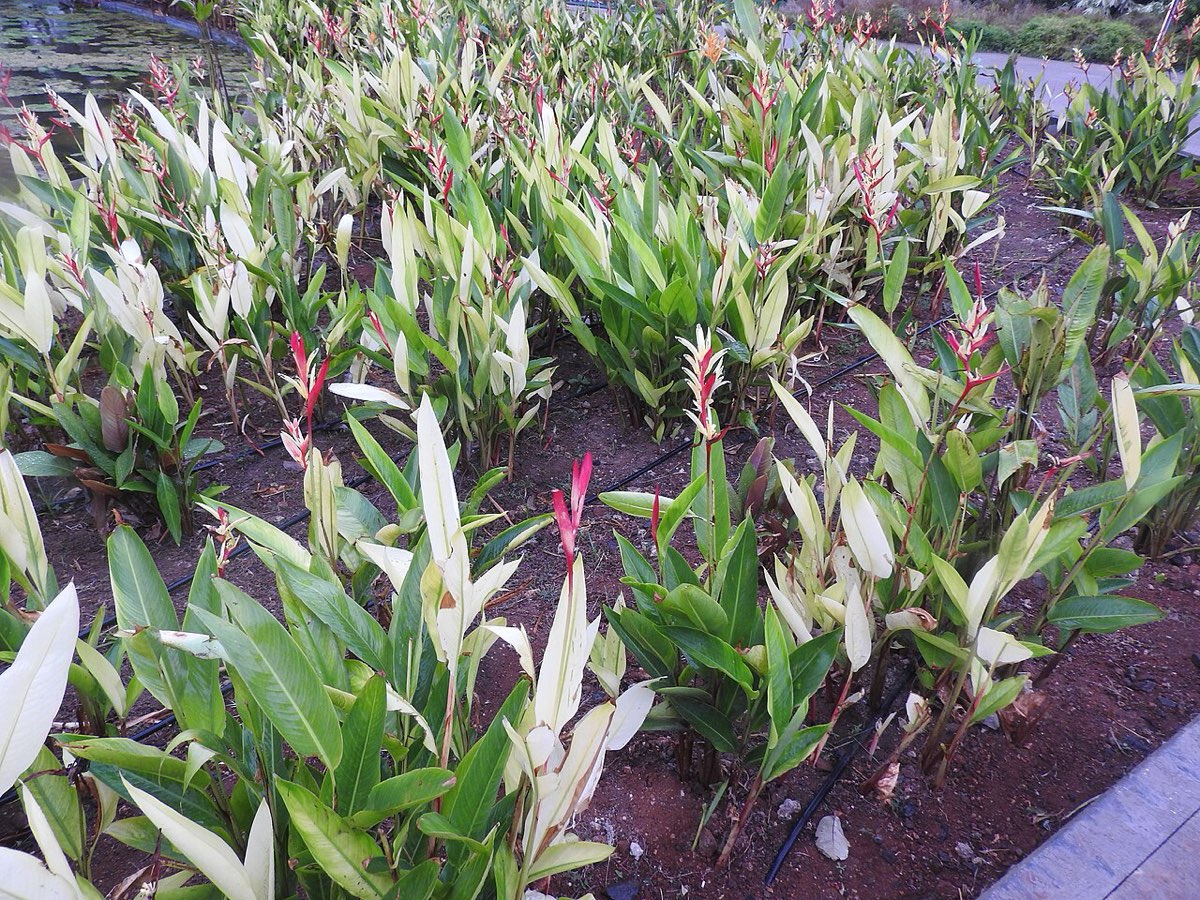
Compact varieties planted as rhizomes often bloom within the first year. Large species usually need one to two years to build up a strong clump before flowering. Some flower almost continuously in warm weather, like the psittacorum types, while others are seasonal: Wagneriana, for example, concentrates its bloom in the dry season and early spring.
Each stem flowers only once. After the inflorescence fades, cut that stem at ground level to make room for new shoots and keep the clump tidy. Also remove dry leaves regularly.
Heliconias as cut flowers
Heliconias are excellent cut flowers. Cut stems early in the morning when two or three bracts are open, since the inflorescence does not keep opening once cut. Remove most of the leaves, recut the stem under water and place it in a tall vase. Mist the bracts occasionally. Most varieties last one to two weeks indoors.
Dividing and protecting clumps
Every three to four years, or when the centre of the clump becomes crowded, divide it at the start of the rainy season. Dig out sections of rhizome with one or two healthy stems, cut the stems back to about 30 centimetres and replant immediately.
In areas with occasional cold, cover the clump with a thick layer of mulch before winter. If the leaves are damaged by cold, wait until warm weather returns before cutting them; the rhizome often survives and sends up new shoots. Pests are few: snails on young shoots and occasional scale or mealybugs under the leaves.
Questions & Answers
Can heliconias grow in pots?
Yes, the compact varieties such as Lady Di, Golden Torch and parrot's beak do well in containers of 40 litres or more. Use a rich, free-draining mix and water frequently.
Why isn't my heliconia flowering?
The usual reasons are too much shade, a young clump that has not reached flowering size, dry soil or a lack of nutrients. Large species can take up to two years to bloom.
Do heliconias survive in the Mexico City area?
Only in very sheltered, frost-free spots or indoors near a bright window. The cold nights of the highlands slow them down considerably.
How do I plant a heliconia rhizome?
Lay it horizontally five to ten centimetres deep in rich, well-drained soil, keep it lightly moist and wait three to six weeks for new shoots.