Fruit Trees You Can Grow in Pots: Best Varieties for Patios and Balconies
You do not need a large garden to harvest your own fruit. Many trees adapt perfectly to life in a container on a patio, a rooftop or a sunny balcony, and growing in pots even lets you try species that would struggle in your local soil or climate. These are the best fruit trees for pots and the keys to keeping them healthy and productive.
The best fruit trees for containers
The ideal container tree is naturally compact, fruits young and tolerates having its roots confined. Small citrus are the classic choice, but several exotic species are just as good.
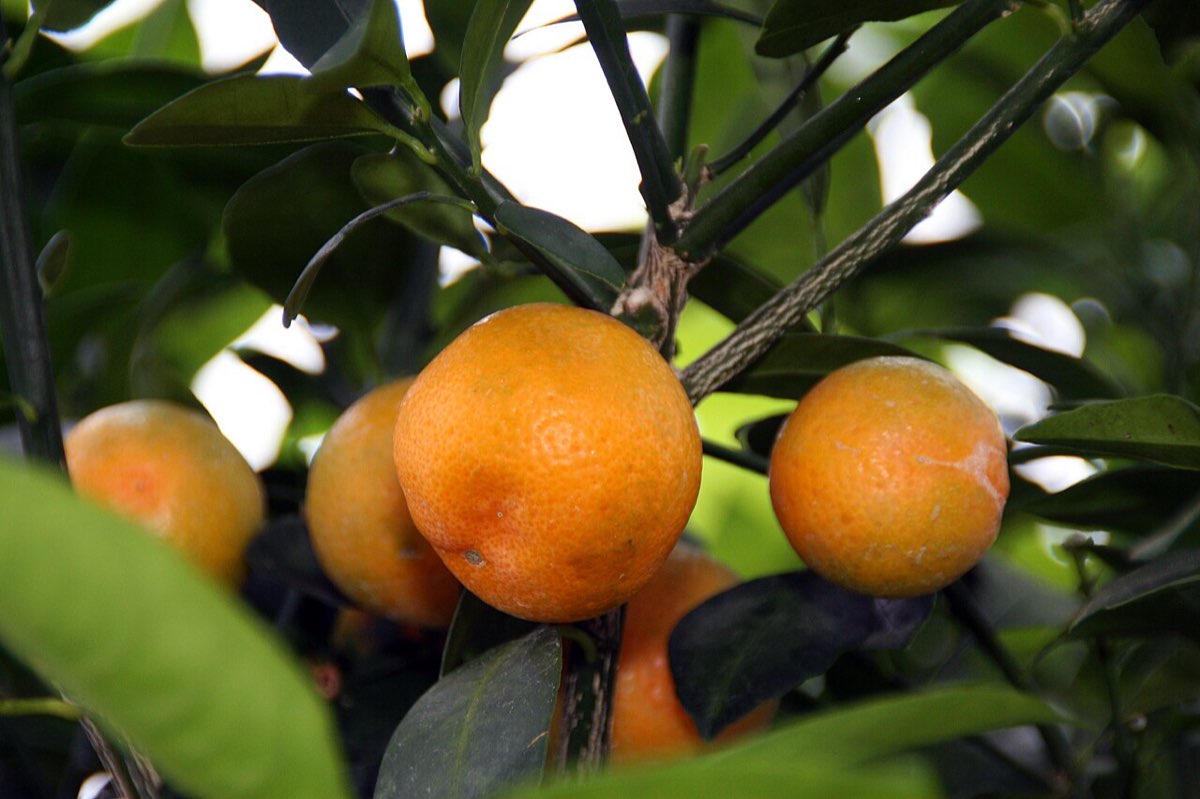
- Calamondin: a small citrus that fruits almost all year; its sour fruit is excellent for drinks and sauces.
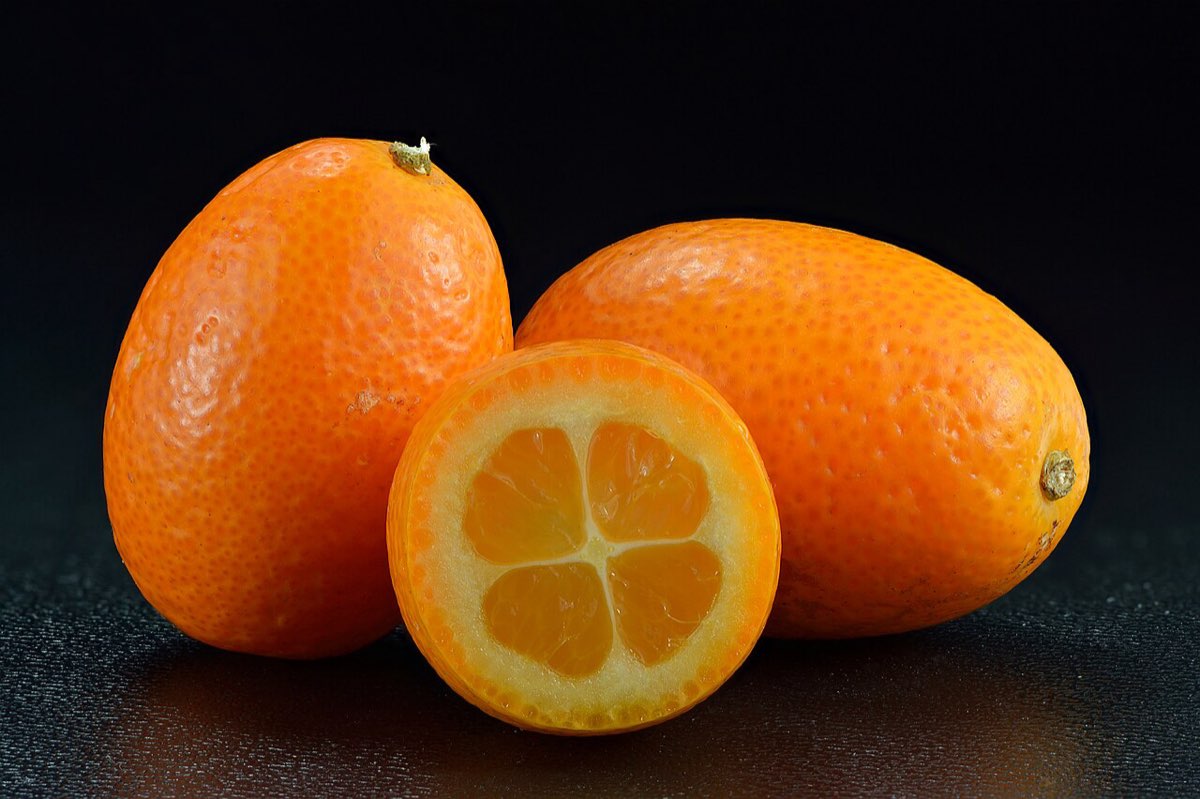
- Kumquat: eaten whole with the skin, very ornamental and one of the most cold-tolerant citrus.
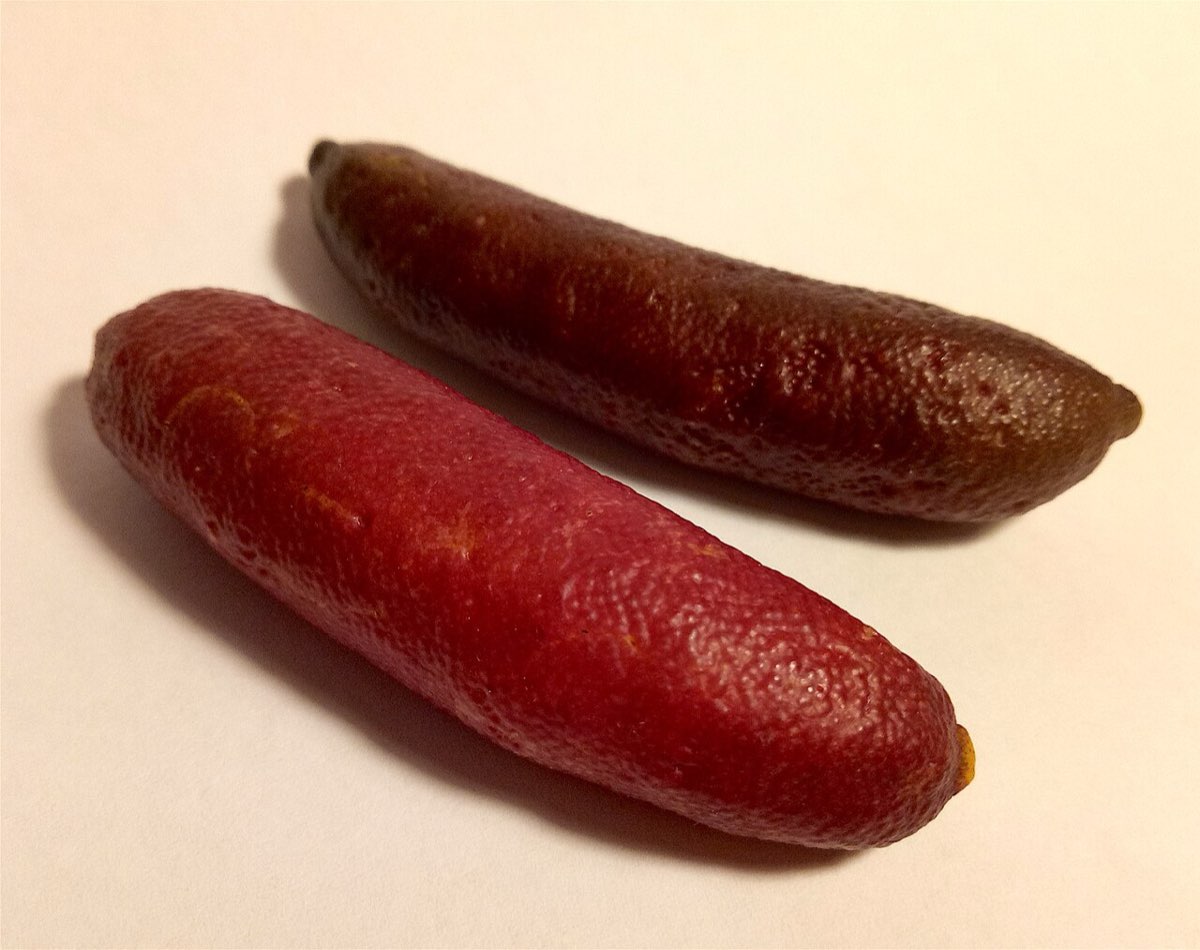
- Red Finger Lime: the caviar lime, a thorny shrub whose fruit is filled with pearl-like vesicles; it likes some shade in hot regions.
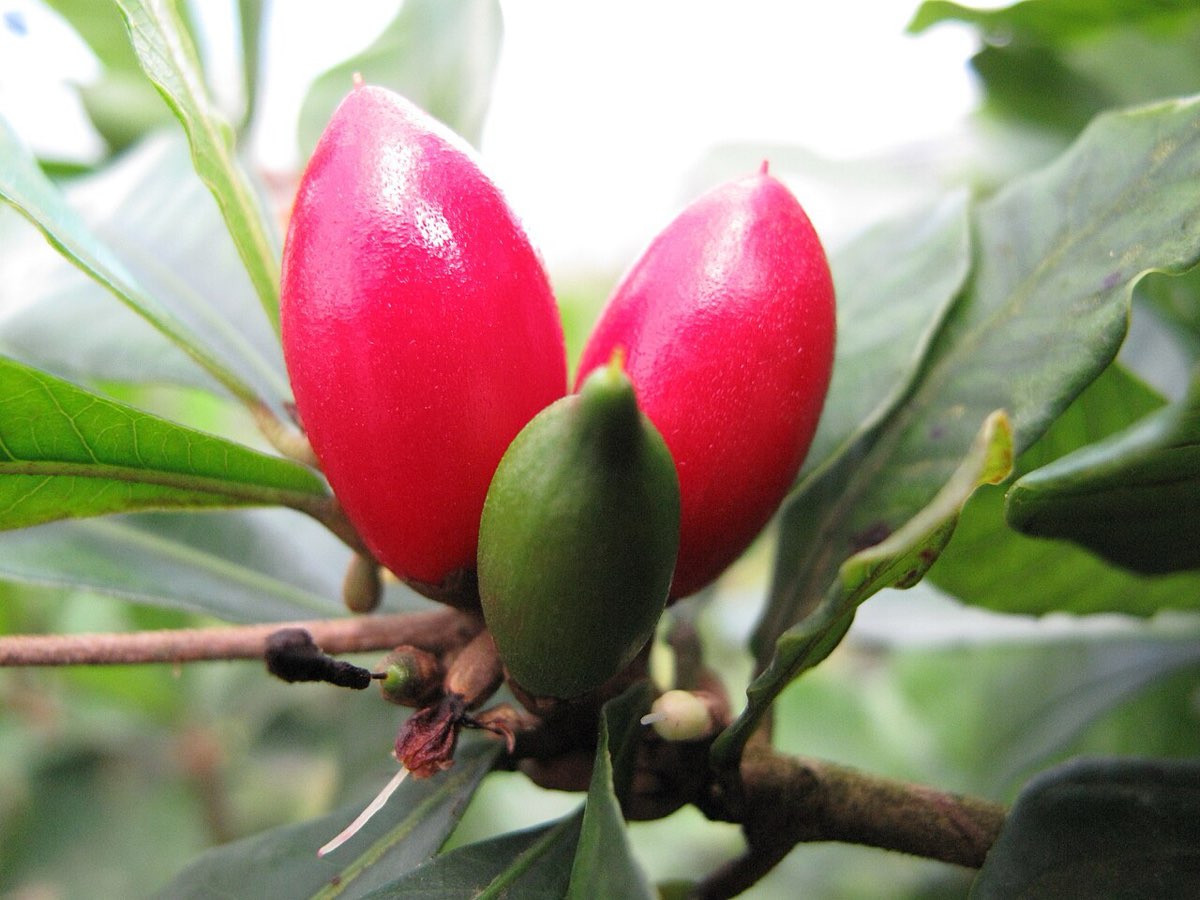
- Miracle Fruit: a slow, compact shrub whose berries make sour foods taste sweet; pots are the best way to give it the acidic soil it needs.
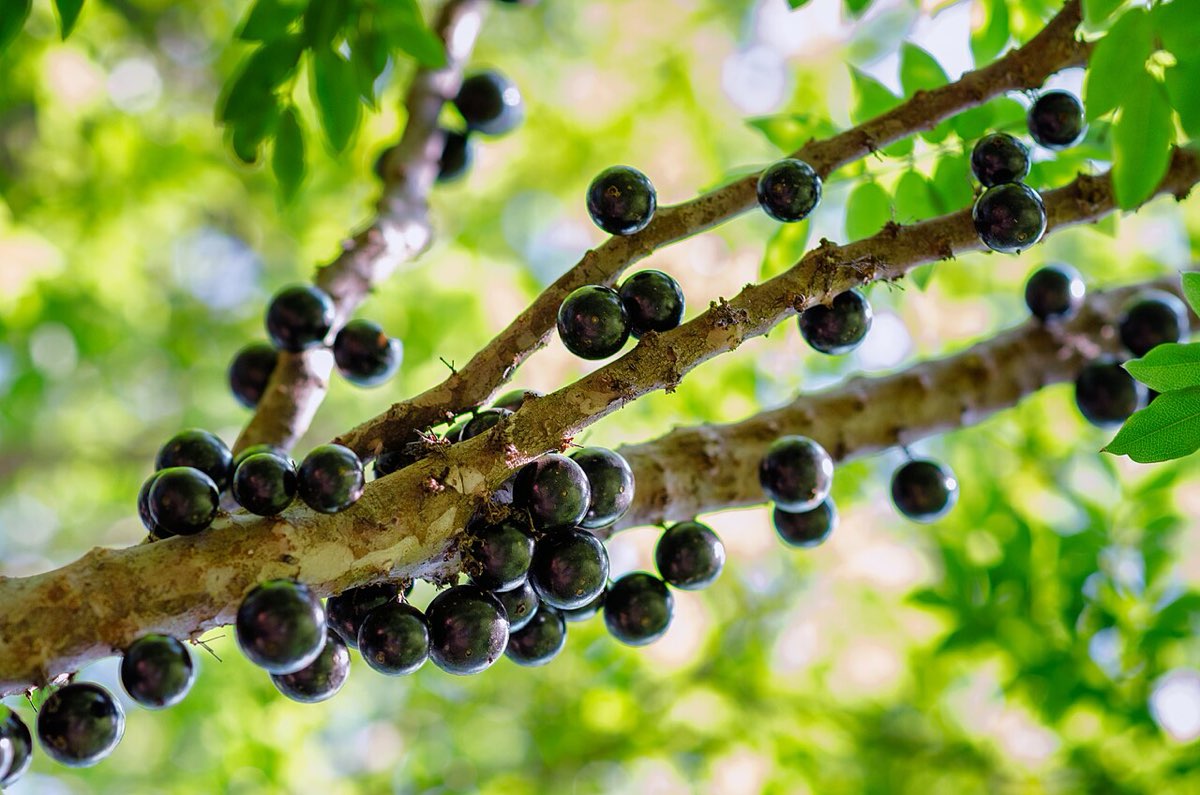
- Jaboticaba: fruits directly on the trunk and branches; it grows slowly and loves constant moisture.
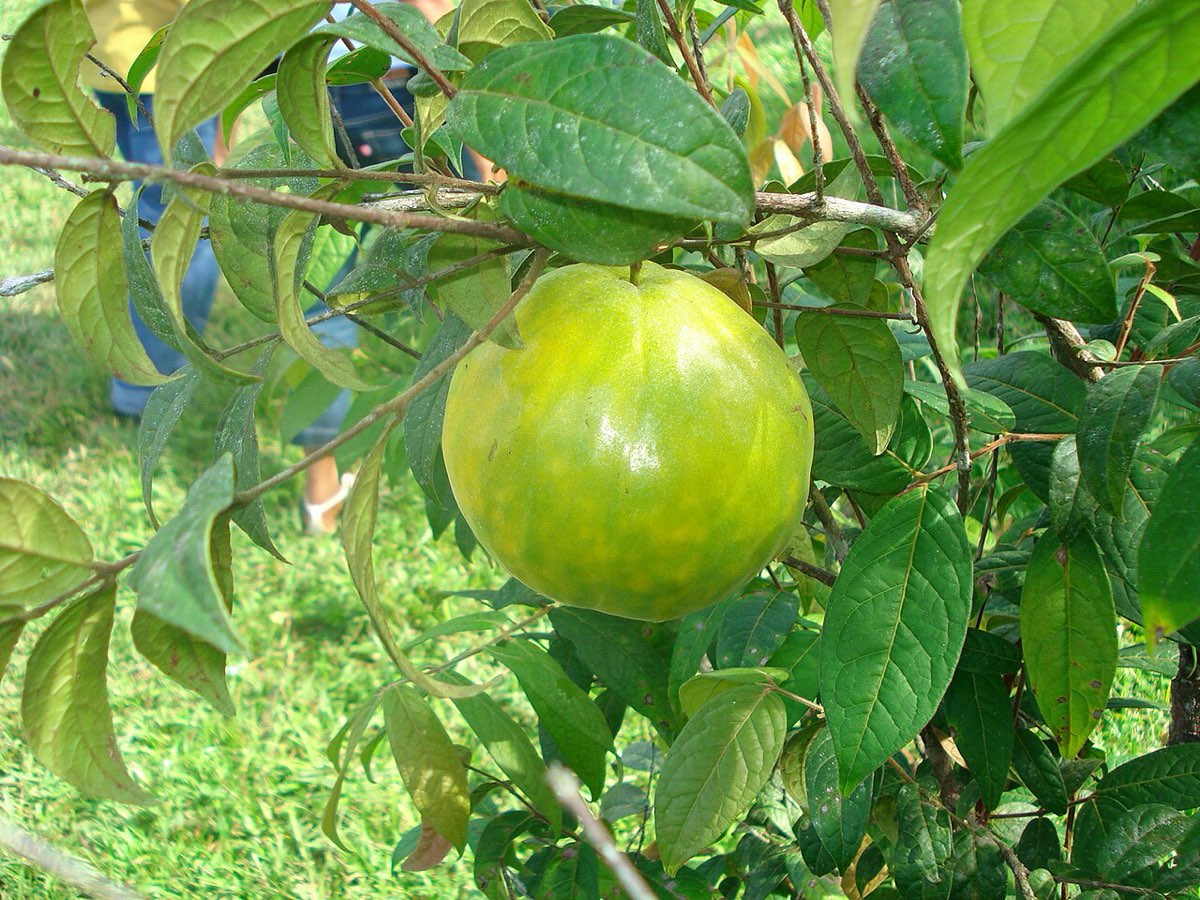
- Araza: an Amazonian guava with aromatic, acidic fruit that often produces in its second or third year.
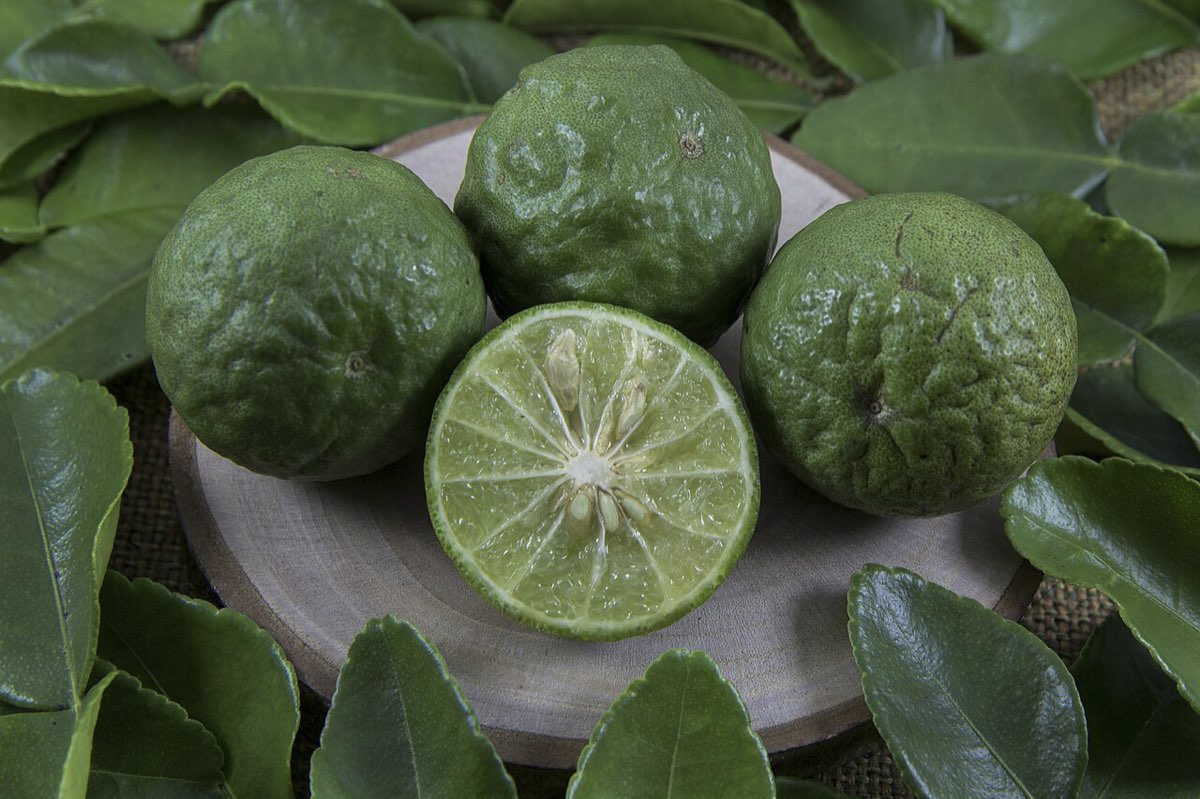
- Makrut Lime: grown mainly for its fragrant double leaves, used in Southeast Asian cooking.
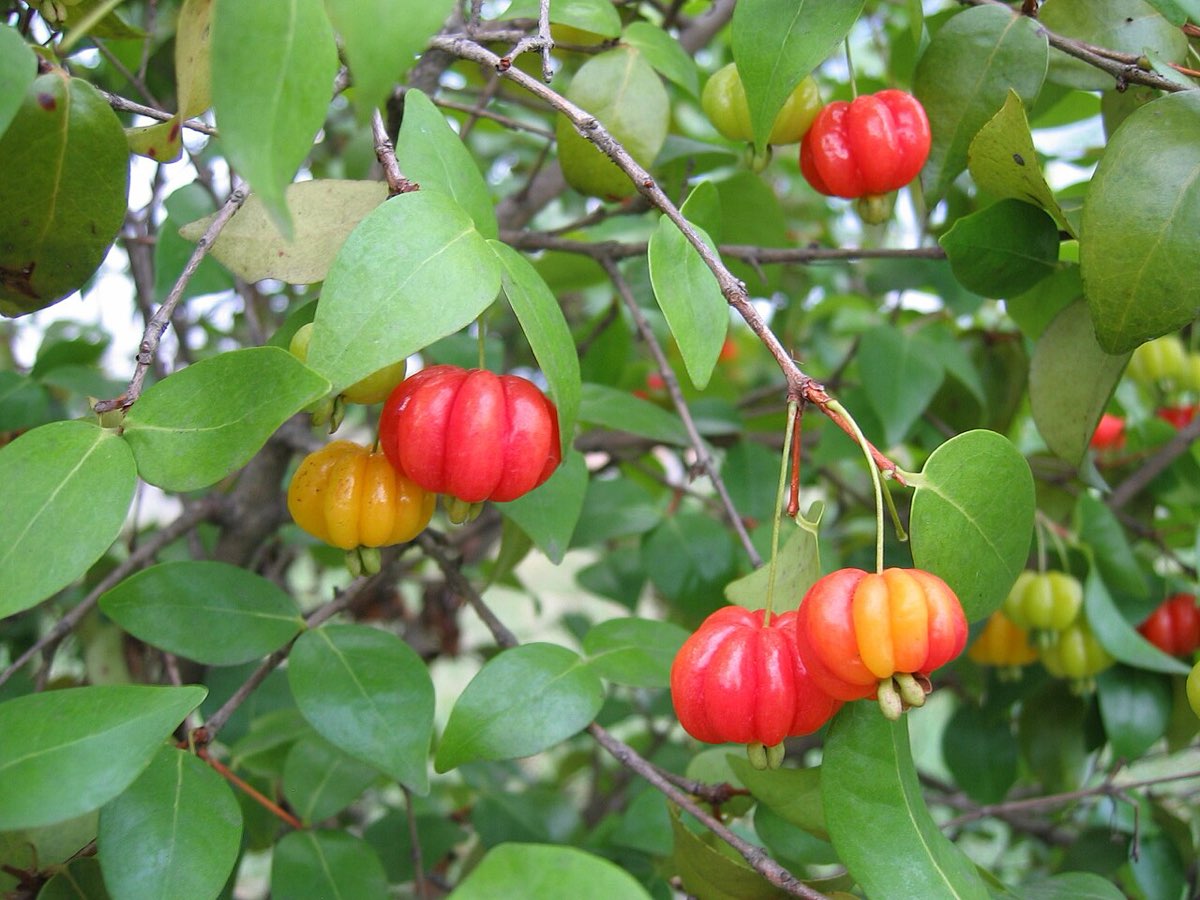
- Surinam Cherry: pitanga tolerates pruning very well and produces red ribbed cherries several times a year.
Choosing the right pot
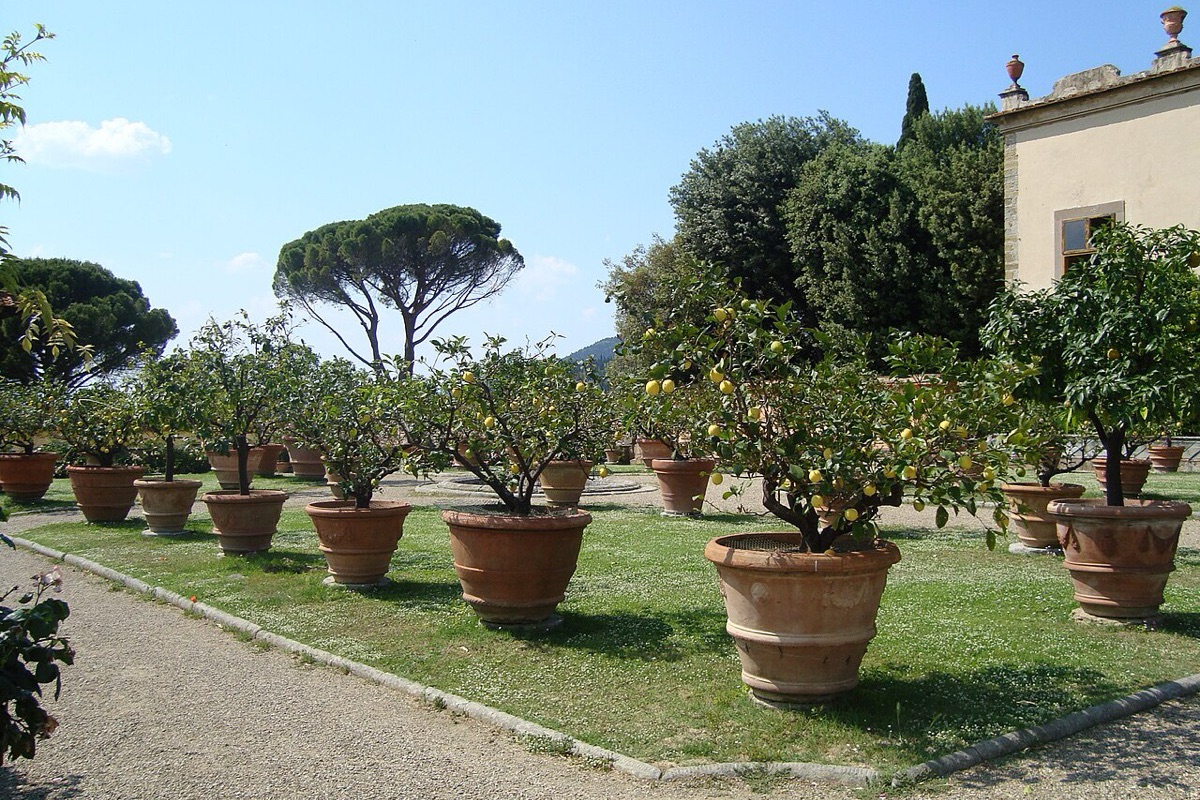
Start with a container somewhat larger than the nursery bag, about 30 to 40 litres for a young tree, and move up gradually to a final size of 60 to 100 litres. Jumping straight into a huge pot leaves a lot of wet soil without roots, which encourages rot. Whatever the material, the pot must have several drainage holes.
Terracotta breathes and stays cooler but dries quickly; plastic and fibreglass are lighter and hold moisture longer. In hot regions such as Yucatán, Monterrey or the Pacific coast, avoid black pots in full sun because the roots can overheat; choose light colours or shade the pot itself with other plants. Place large pots on wheeled bases or bricks before filling them so you can move them and water drains freely.
A good potting mix
Never fill a pot with garden soil alone: it compacts, drains poorly and suffocates the roots. A good general mix for fruit trees is roughly one part compost or worm castings, one part coconut fibre or peat, and one part coarse material such as tezontle, pumice or perlite, plus some pine bark if available.
Acid-loving species such as miracle fruit, jaboticaba and araza prefer more peat or coconut fibre and no lime. If your tap water is hard, as in Yucatán and much of central and northern Mexico, use rainwater whenever possible for these plants, or let the soil be flushed regularly with abundant water to prevent salt buildup.
Light, water and feeding
Most fruit trees need at least six hours of direct sun to flower and fruit well. Finger limes, miracle fruit and jaboticaba accept somewhat less, and in very hot places they appreciate shade in the afternoon. Rotate the pot a quarter turn every few weeks so the tree grows evenly.
Pots dry out much faster than garden soil. Water when the top three to five centimetres are dry, until water runs out of the bottom; in the hot months that may be daily. Because watering washes out nutrients, feed more often than in the ground: a slow-release fertiliser at the start of the rainy season plus a diluted liquid fertiliser every two to three weeks during active growth. Citrus also appreciate a micronutrient supplement with iron and zinc.
Group pots together during heat waves so they shade one another and keep the roots cooler.
Pruning and repotting
Keep potted trees compact by pinching the tips of vigorous shoots and lightly shaping the canopy after each harvest. Remove shoots that grow from below the main branches. Do not remove too much foliage at once; the tree needs its leaves to feed the fruit.
Every two or three years, when roots fill the pot, either move the tree to a larger container or, if it is already in its final pot, root prune it. At the end of the dry season, take the tree out, trim a few centimetres of root around the edges and the bottom, and replant it in the same pot with fresh mix. Then water well and keep it in partial shade for a couple of weeks.
Common problems with potted fruit trees
Most problems in containers come from watering. Yellow lower leaves and a sour smell from the mix usually mean the pot stays wet for too long: check that the drainage holes are not blocked, avoid saucers full of water and water less often. Wilting in the afternoon despite moist soil can also point to damaged roots.
On rooftops and balconies, dry air and reflected heat favour spider mites, tiny pests that leave leaves dull and speckled; spray the foliage with water regularly and treat with potassium soap if needed. Scale insects and mealybugs also like potted trees, so inspect stems and the undersides of leaves every week.
If a tree flowers but does not set fruit, the cause may be a lack of pollinators on a high balcony. Citrus usually set fruit on their own, but you can help other species by gently brushing the open flowers with a small soft paintbrush. Finally, remember that a tree moved to a new spot may drop some leaves while it adjusts to the change in light.
Advantages for cold and alkaline regions
Pots are a great solution for tropical fruit in the highlands and the north. When a cold front is forecast, move the plants against a wall, under a roof or indoors near a bright window; they can go back outside when the frost has passed. In the same way, pots let gardeners in Yucatán or other limestone areas grow acid-loving species that would struggle in the local soil.
Questions & Answers
What size pot does a fruit tree need?
Start with 30 to 40 litres and move up gradually to 60 to 100 litres for an adult tree. Small shrubs like miracle fruit can stay in 30 to 40 litres for years.
Can I grow a mango or avocado in a pot?
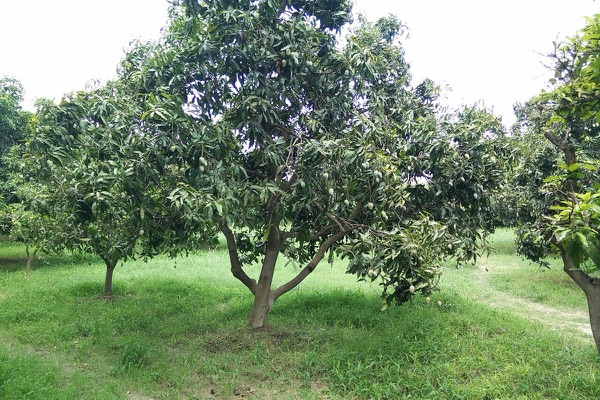
Only for a few years, since both become large trees. For long-term container growing, choose naturally compact species such as calamondin, kumquat or jaboticaba.
How often should I water a potted fruit tree?
When the top three to five centimetres of mix are dry. In hot months this can be daily; in the rainy season or cool weather much less often.
Will a potted fruit tree produce fruit?
Yes. With good light, regular feeding and a suitable pot, compact species fruit just as well as in the ground, sometimes earlier.