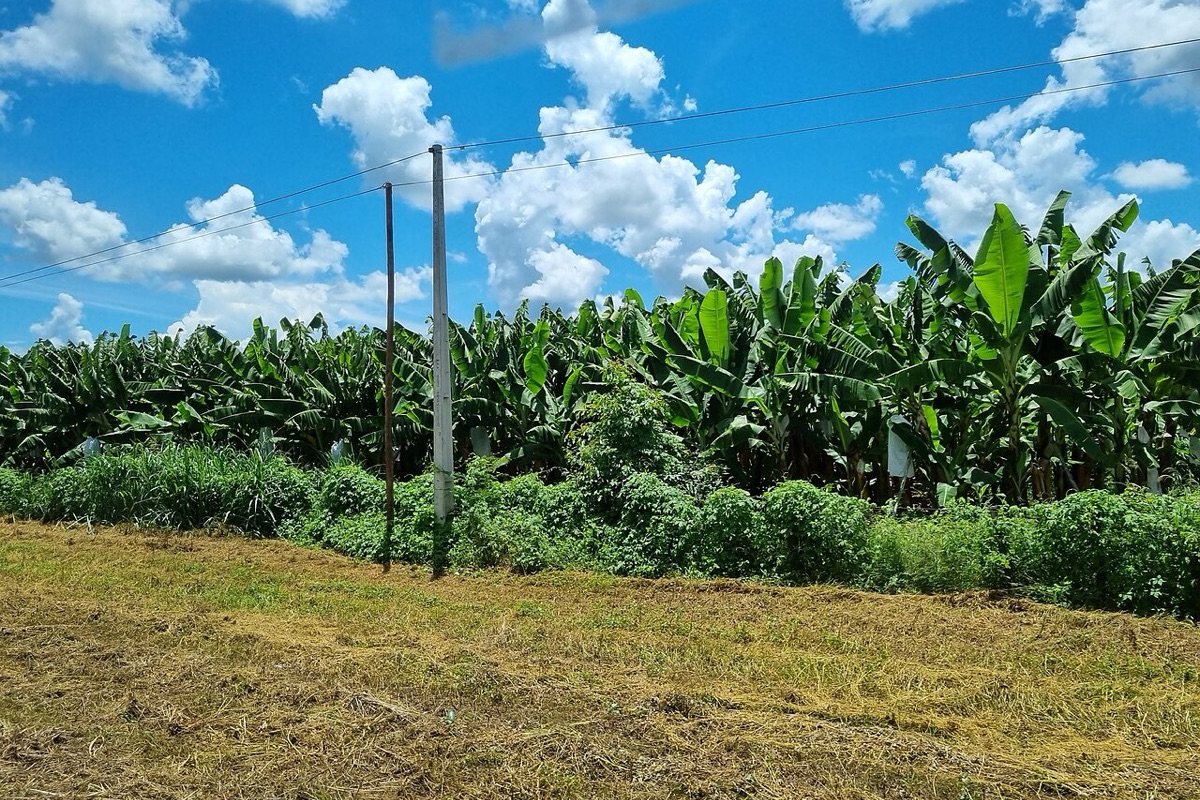
How to Grow Banana Plants from Rhizomes, Including Ornamental Bananas
Bananas are among the fastest and most satisfying plants you can grow in a warm garden: a small rhizome can become a two-metre plant in a single rainy season. Whether you want your own bunches of red or apple bananas or the striking leaves of an ornamental variety, the method is the same. Here is how to plant a banana rhizome, look after it and keep the clump productive for years.
Rhizome, pup or young plant?
Bananas are not trees but giant herbs. What looks like a trunk is a pseudostem made of tightly wrapped leaf bases, and the real stem is an underground corm, often called a rhizome. New shoots, called pups or suckers, grow from this corm, and that is how bananas are propagated.
A bare rhizome is the most economical option and travels well, but it takes a few weeks to sprout. A young potted plant gets going faster and is a good choice for rare ornamental varieties. An established plant gives you an instant effect in a new garden. All three are planted in the same way.
Where to plant
Fruiting bananas need full sun, warmth, plenty of water and shelter from strong wind, which shreds the leaves and can topple plants with heavy bunches. A spot protected by a wall or a hedge is ideal. In Yucatán and other very hot areas, the variegated and red-leaved ornamental types, such as Variegated Banana and Siam Ruby Banana, look better with some afternoon shade, since their pale or coloured leaf areas scorch easily.
Bananas are heavy feeders and love organic matter. They grow beautifully near a compost heap or where kitchen and garden waste can be buried around them. Avoid places where water stays pooled after rain: they like moisture, but a waterlogged corm rots.
Planting a banana rhizome step by step
The best time to plant is at the start of the rainy season, or any time of year in frost-free areas if you can water. Prepare the hole a few days before if your soil is poor.
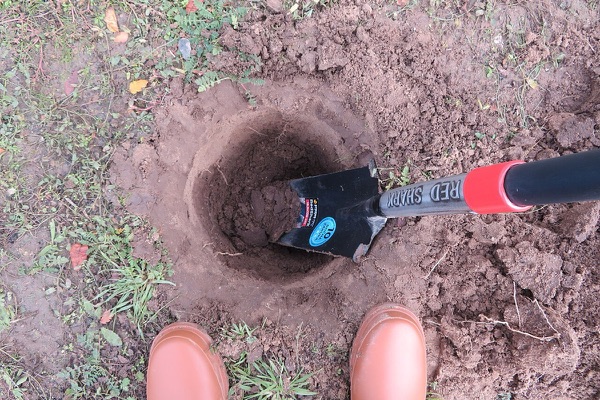
- Dig a hole about 50 cm wide and 40 cm deep and mix the soil with one or two shovels of well-rotted compost or manure.
- If the rhizome has damaged or dark, soft areas, trim them back to clean, firm tissue and let the cut dry for a day in the shade.
- Place the rhizome with the growing point or stub of pseudostem facing up, so that the top of the corm sits just below soil level.
- Backfill, firm gently and water once. Then water sparingly, only when the soil is dry a few centimetres down, until the first leaves appear. Too much water before there are leaves is the main cause of rot.
- Once leaves are growing, water generously and mulch thickly with dry leaves, straw or chopped banana leaves.
Water and feeding
A growing banana uses a lot of water. In the dry season, water deeply two or three times a week in hot areas, more often for plants in containers. In the rainy season, natural rain is usually enough. Yellowing lower leaves and slow growth in the dry months are often simply a sign of thirst.
Feed every month during active growth. Bananas need a lot of potassium, which helps fruit fill and makes the plant sturdier; a balanced fertiliser alternated with one higher in potassium, plus compost, works well. Wood ash in moderation is a traditional potassium source, though it raises soil pH, so go easy on it in alkaline soils like those of Yucatán.
Managing suckers and harvesting
A healthy banana produces many pups. If you let them all grow, you get a dense clump with small bunches. For fruit, keep the mother plant, one well-grown follower and one small pup, and cut the rest at ground level. Choose sword suckers with narrow leaves; they come from deeper in the corm and produce stronger plants. Removed pups can be dug with a piece of corm and planted elsewhere.
In warm lowlands, a fruiting banana usually flowers nine to fifteen months after planting; in cooler areas it takes longer. Harvest the bunch when the fruit is full and rounded, hang it in the shade to ripen and cut down the pseudostem that fruited, since each stem fruits only once. Chop it and leave it as mulch around the clump.
Ornamental bananas
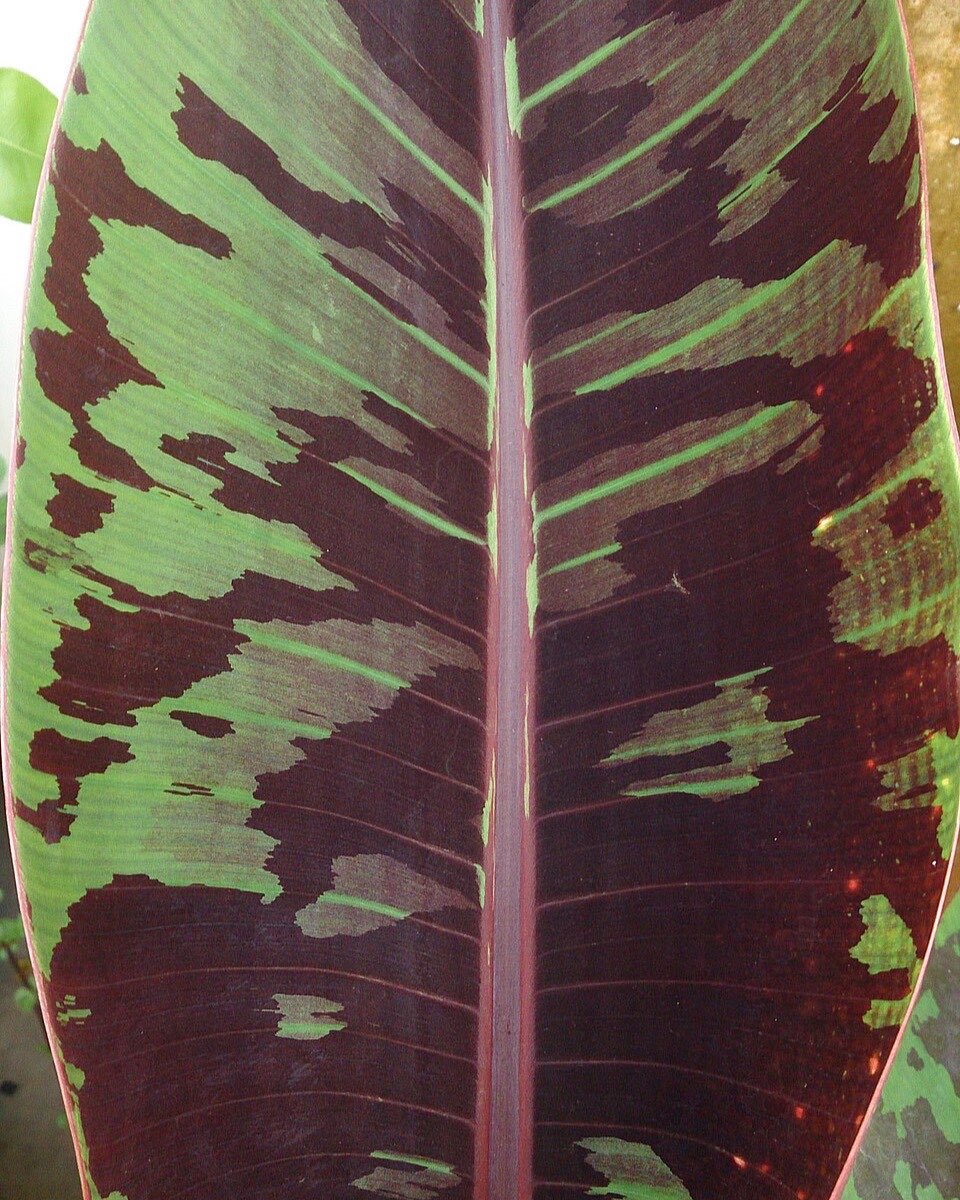
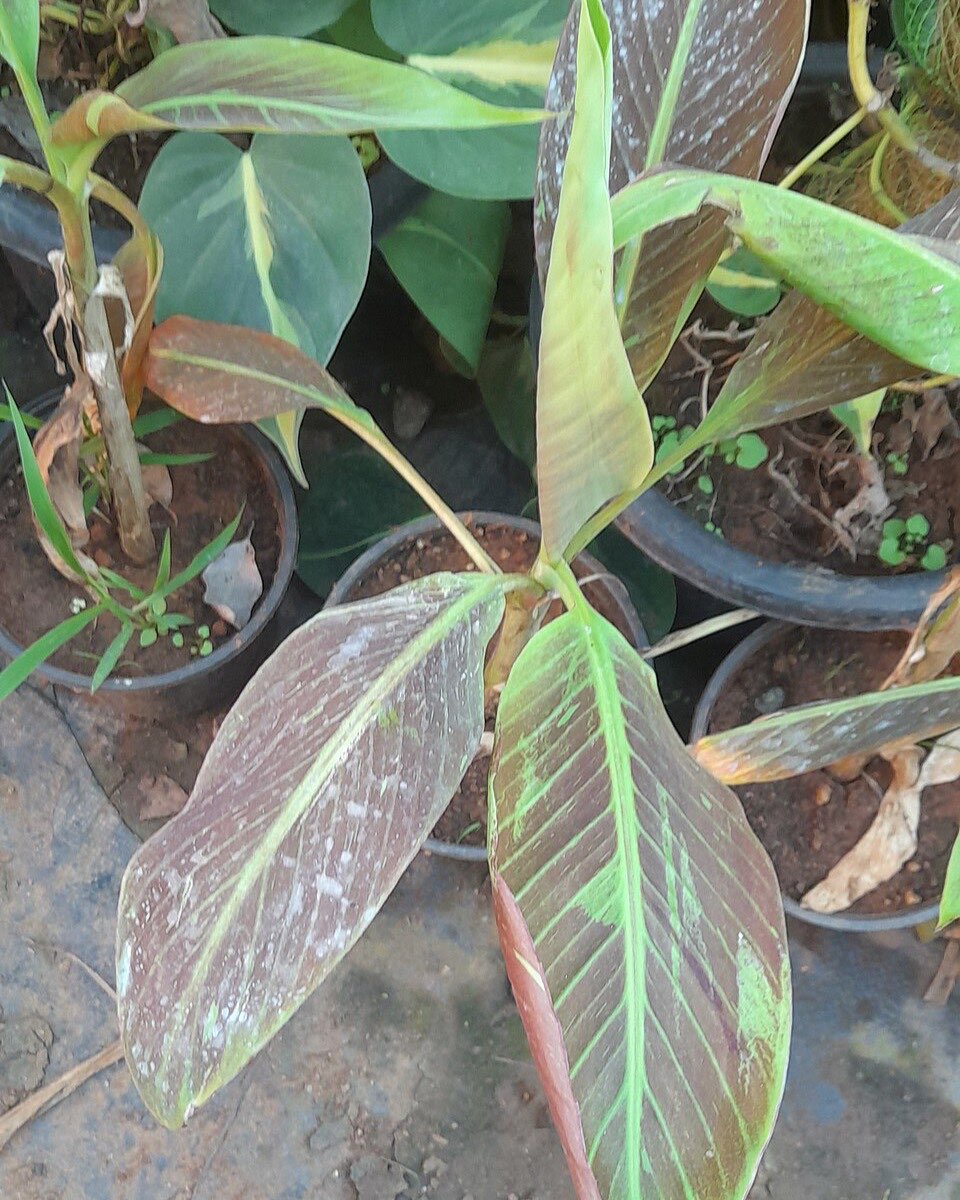
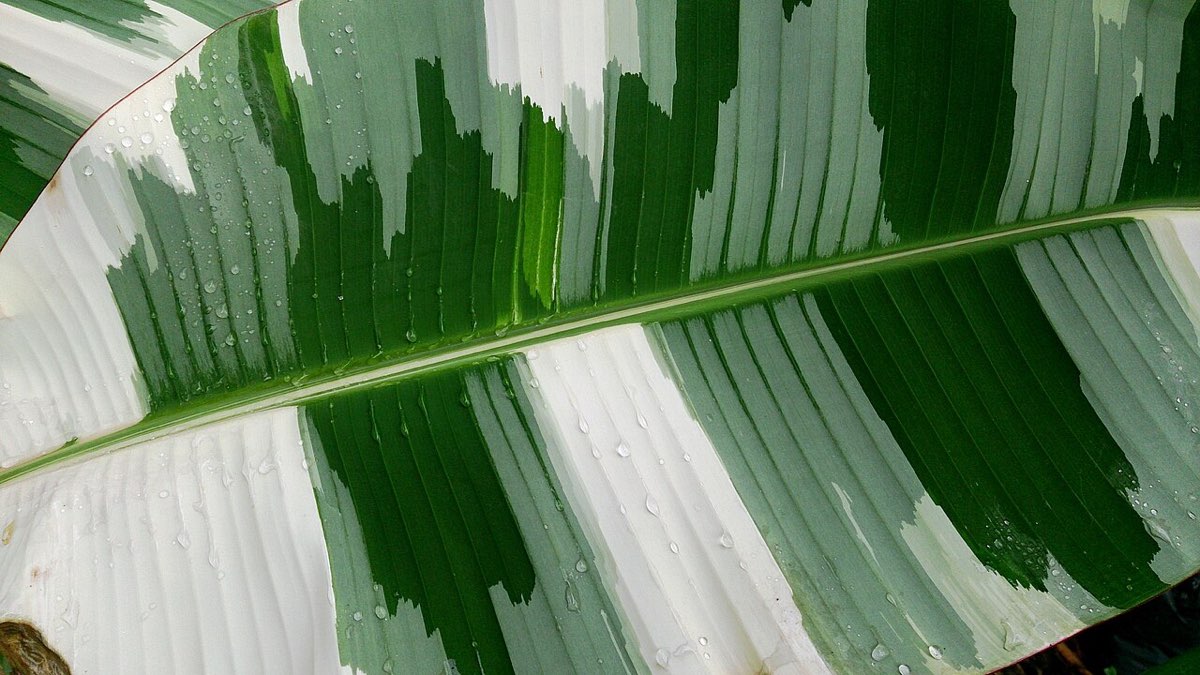
Ornamental bananas are grown mainly for their foliage. Musa Zebrina (Blood Banana) has green leaves splashed with burgundy and grows best with some shade and steady moisture. Siam Ruby forms a smaller clump with deep red-bronze leaves and is very sensitive to cold and drying winds. Variegated bananas show white or cream patches; occasionally a leaf or a pup reverts to plain green, which is part of the plant's nature. Musa Pink (Pink Variegated Banana) adds pink tones to a tropical border. These varieties are valuable, so give them the best spot in the garden, rich soil, and protection from midday sun and wind.
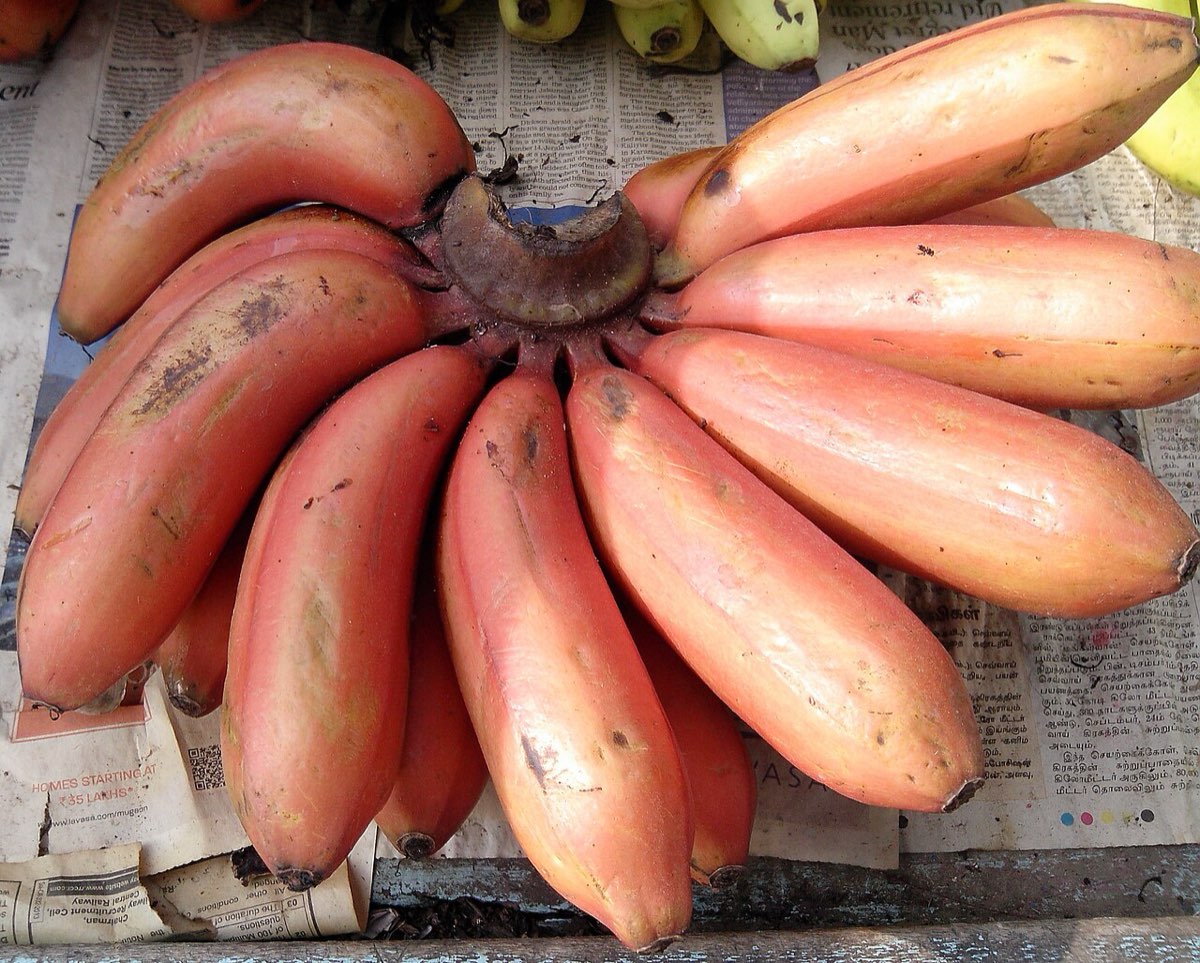
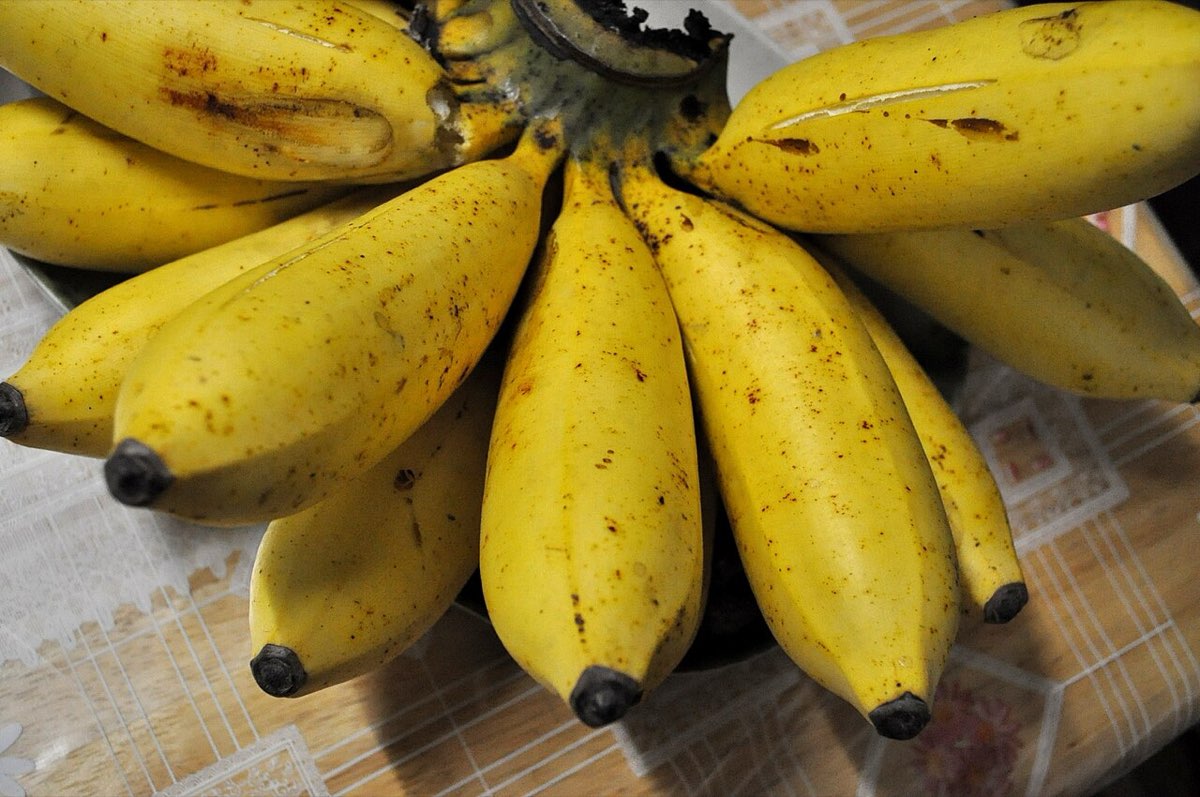
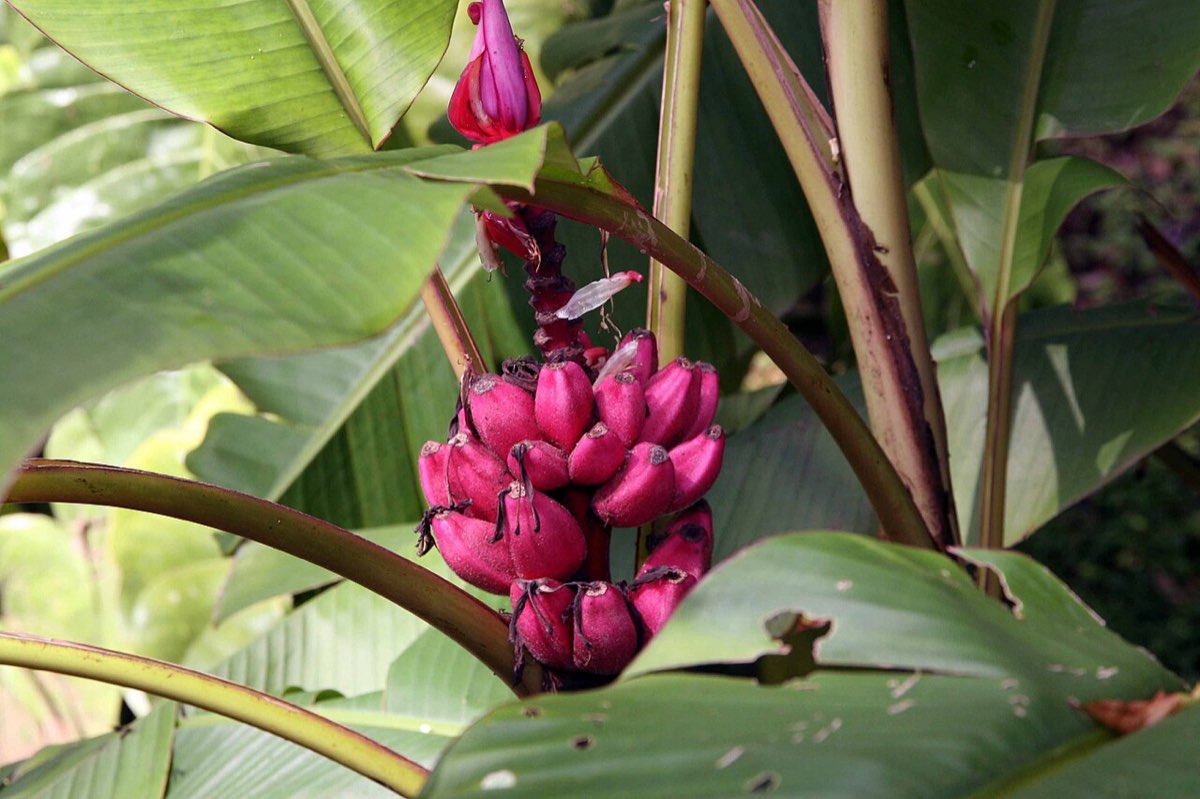
Among fruiting bananas, Cavendish Banana (Williams) is the familiar supermarket type, Red Banana produces purple-red fruit with a sweet, slightly berry-like flavour, and Apple Banana, known in Mexico as plátano manzano, has short fruit with a tangy, apple-like note.
Propagating your own banana plants
Once a clump is established, it becomes a source of new plants. Choose a sword sucker about 60 to 100 centimetres tall, with narrow leaves and a thick base. Push a sharp spade straight down between the pup and the mother plant to cut the connection, then dig around the pup and lift it with a good piece of corm and roots attached. Trim the larger leaves to reduce water loss and plant it straight away, following the same steps as for a rhizome. Pups taken at the start of the rainy season establish fastest. Rare ornamental varieties grow more slowly and produce fewer pups, so be patient and wait until the mother plant is vigorous before dividing it.
Wind, cold and common problems
In hurricane season, prop plants carrying bunches with a forked pole or tie them to a stake. Torn leaves are cosmetic and do not harm the plant. Frost kills the leaves at around 0 °C, but the corm usually survives a light frost if covered with a thick layer of mulch, and the plant regrows in spring. In the highlands, ornamental bananas can be grown as summer plants and fruiting types may not have time to ripen a bunch.
Watch for corm rot from overwatering, banana weevils in old clumps and fungal leaf spots in very humid weather. Remove dead leaves regularly and keep the clump thinned for good air circulation.
Questions & Answers
How long does a banana rhizome take to sprout?
Usually two to six weeks, depending on temperature and the size of the corm. Keep the soil barely moist, not wet, until the first leaf appears.
Can I grow bananas in a pot?
Yes, especially compact ornamental types. Use a container of at least 60 to 80 litres with a rich, well-draining mix and water and feed more often than in the ground.
Why do my banana leaves turn brown at the edges?
Common causes are dry soil, strong wind, intense sun on ornamental types or a potassium shortage. Check watering first, then feed with a potassium-rich fertiliser.
Does the banana plant die after fruiting?
The stem that produced the bunch dies, but the clump lives on through its pups, which take over and produce the next bunches.