Designing a Tropical Garden with Heliconias, Gingers and Bananas
A tropical garden is about abundance: big leaves, layers of green and flashes of red, orange and pink all year round. Heliconias, gingers and bananas are the backbone of this style, and they share almost the same needs, which makes them easy to combine. This guide shows how to plan, plant and maintain a tropical garden that looks good from the first rainy season.
Start with the site
Before choosing plants, observe your garden for a few days. Note where the sun falls in the morning and the afternoon, which areas are sheltered from wind, where water collects after rain and where hoses can reach. Heliconias, gingers and bananas all like warmth, humidity and rich soil, but each has preferences: compact heliconias tolerate full sun, many gingers prefer filtered light and ornamental bananas need protection from wind.
Climate sets the limits. In the humid lowlands of Chiapas, Tabasco, Veracruz and Quintana Roo, the palette is almost unlimited. In Yucatán, the garden will need irrigation in the dry season and improved soil. In the highlands and the north, frost limits what you can keep outdoors; concentrate the tropical look in a sheltered courtyard, against warm walls or in large pots.
Think in layers
Natural tropical vegetation is organised in layers, and a garden that imitates this looks lush and mature quickly. Plan three or four levels, from tall to low, and remember that the lower layers will receive the shade of the upper ones.
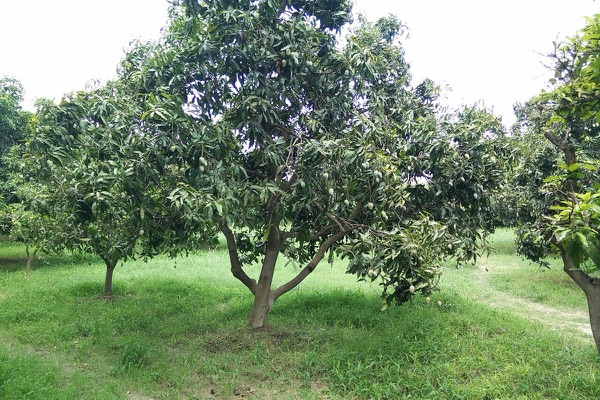
- Upper layer: an existing tree, a mango, a coconut or a fast ylang-ylang to provide dappled shade.
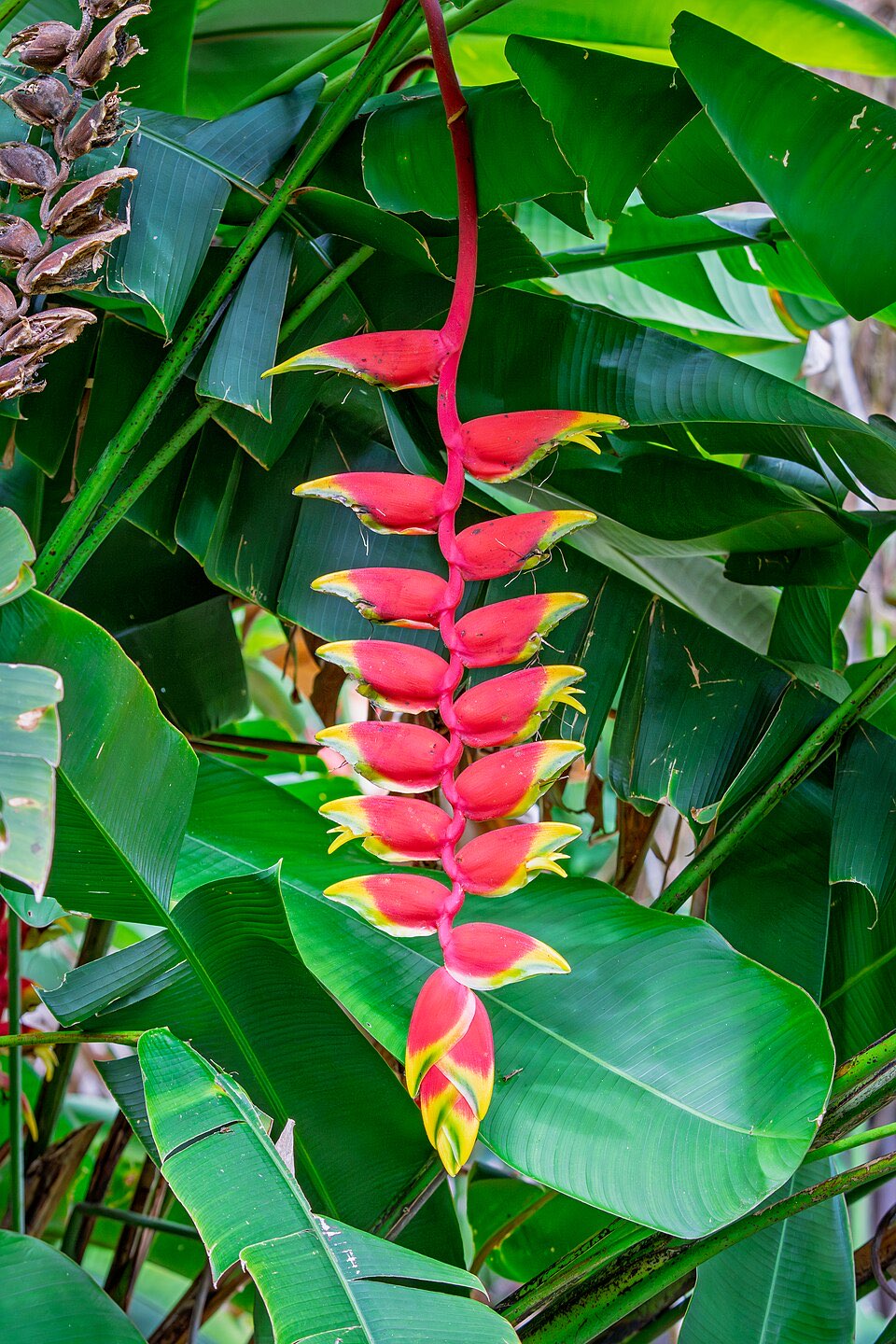
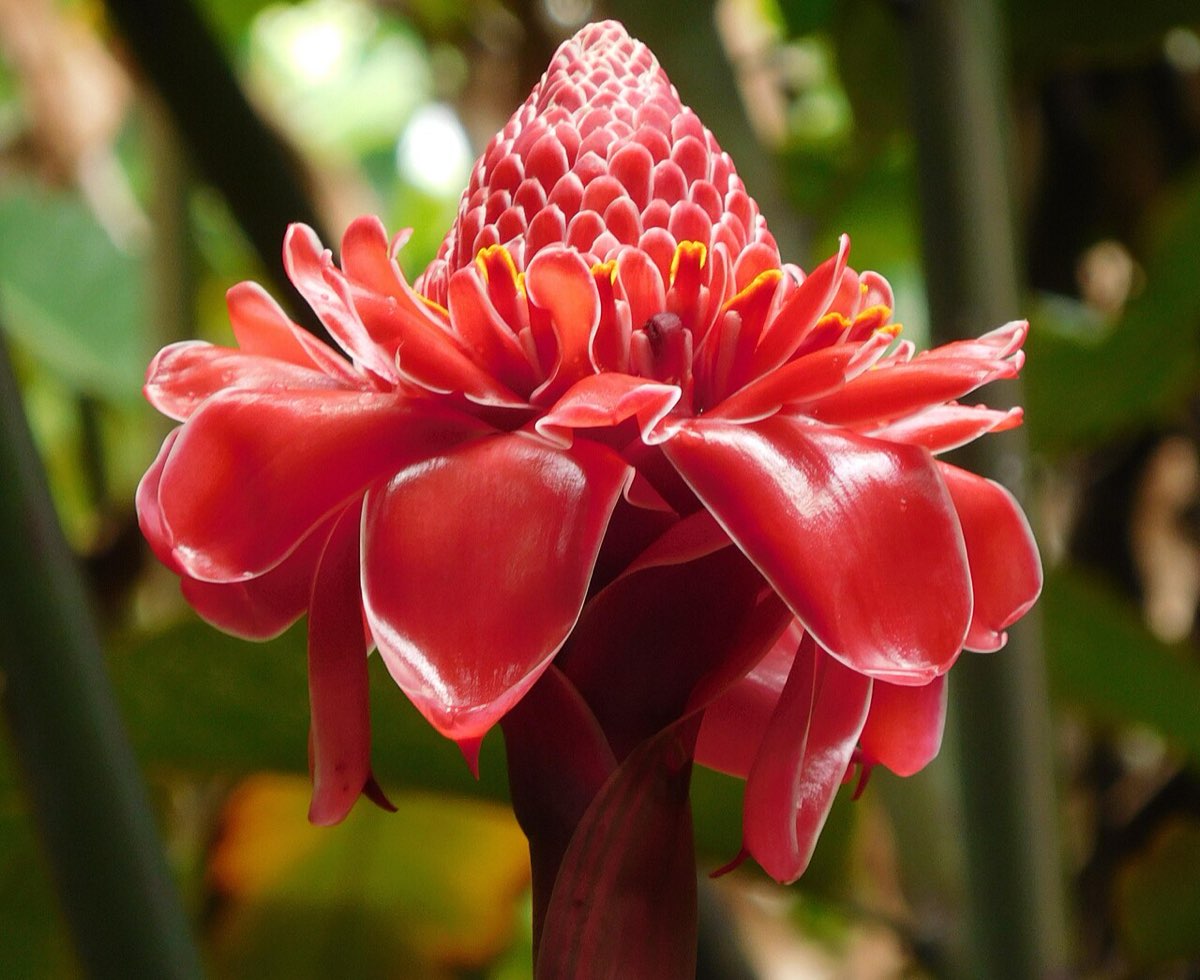
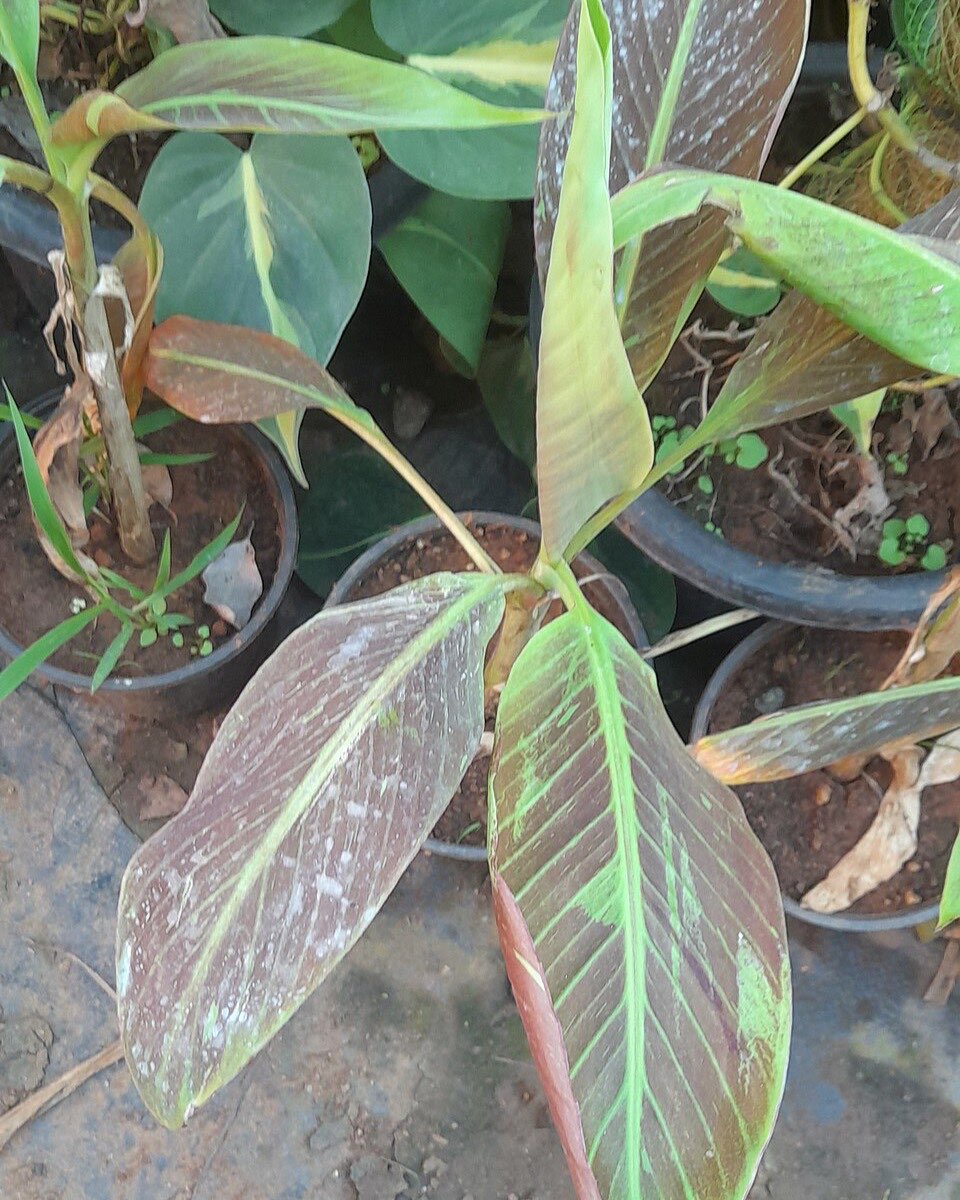
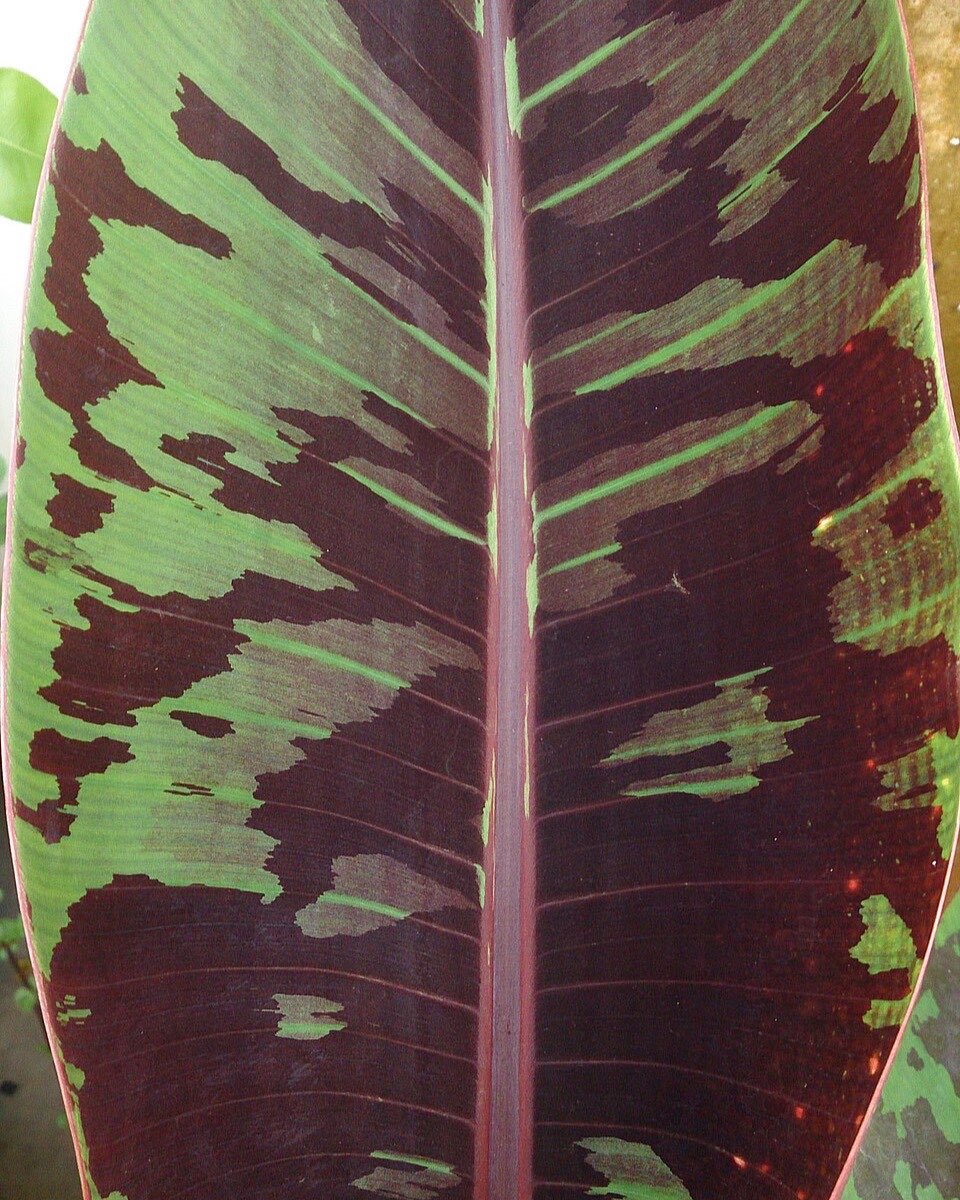
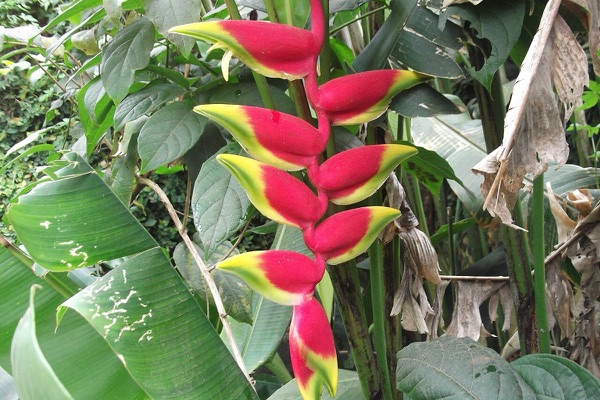
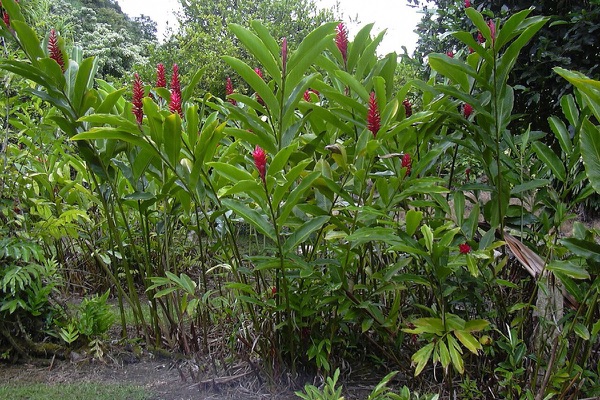
- Middle layer, two to four metres: ornamental bananas such as Musa Zebrina (Blood Banana) or Siam Ruby Banana, Red Torch Ginger and large heliconias like Hanging Lobster Claw Heliconia.
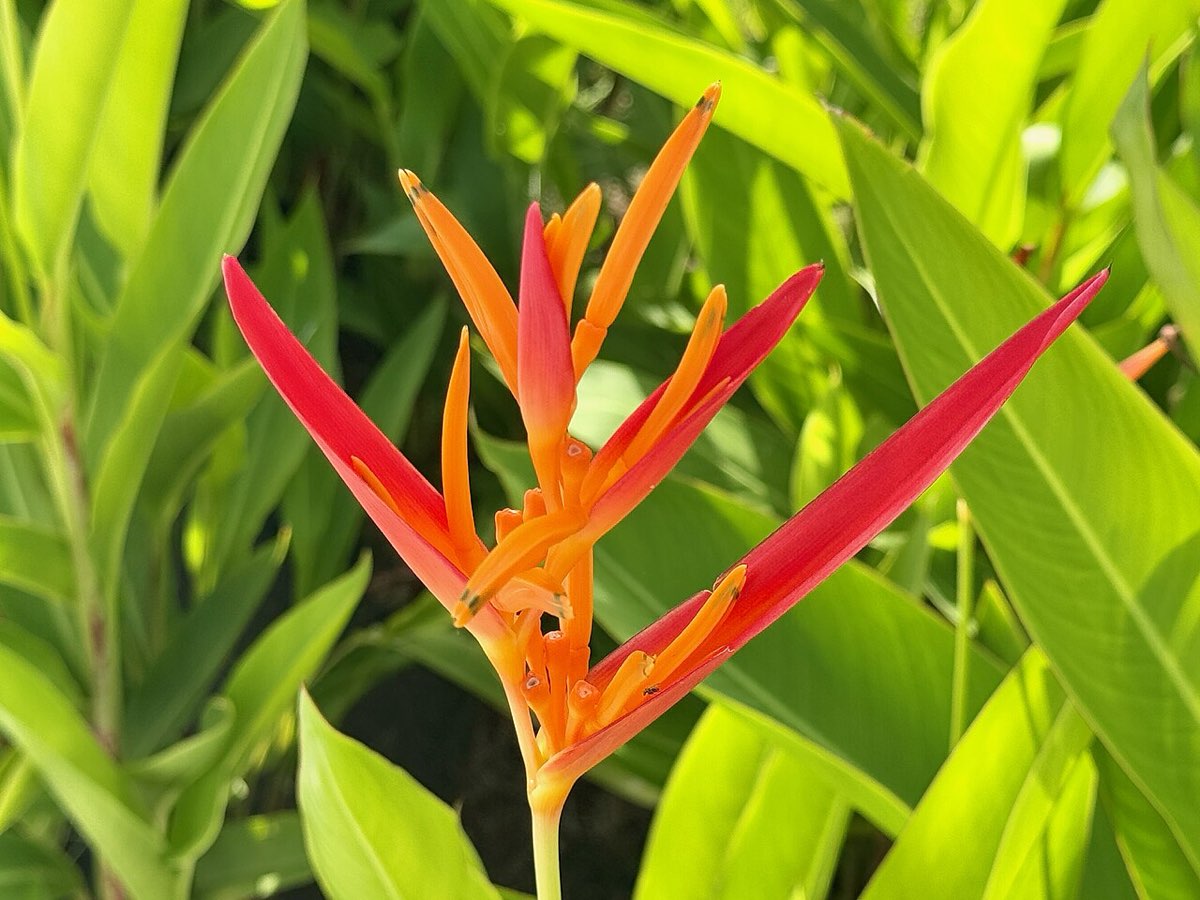
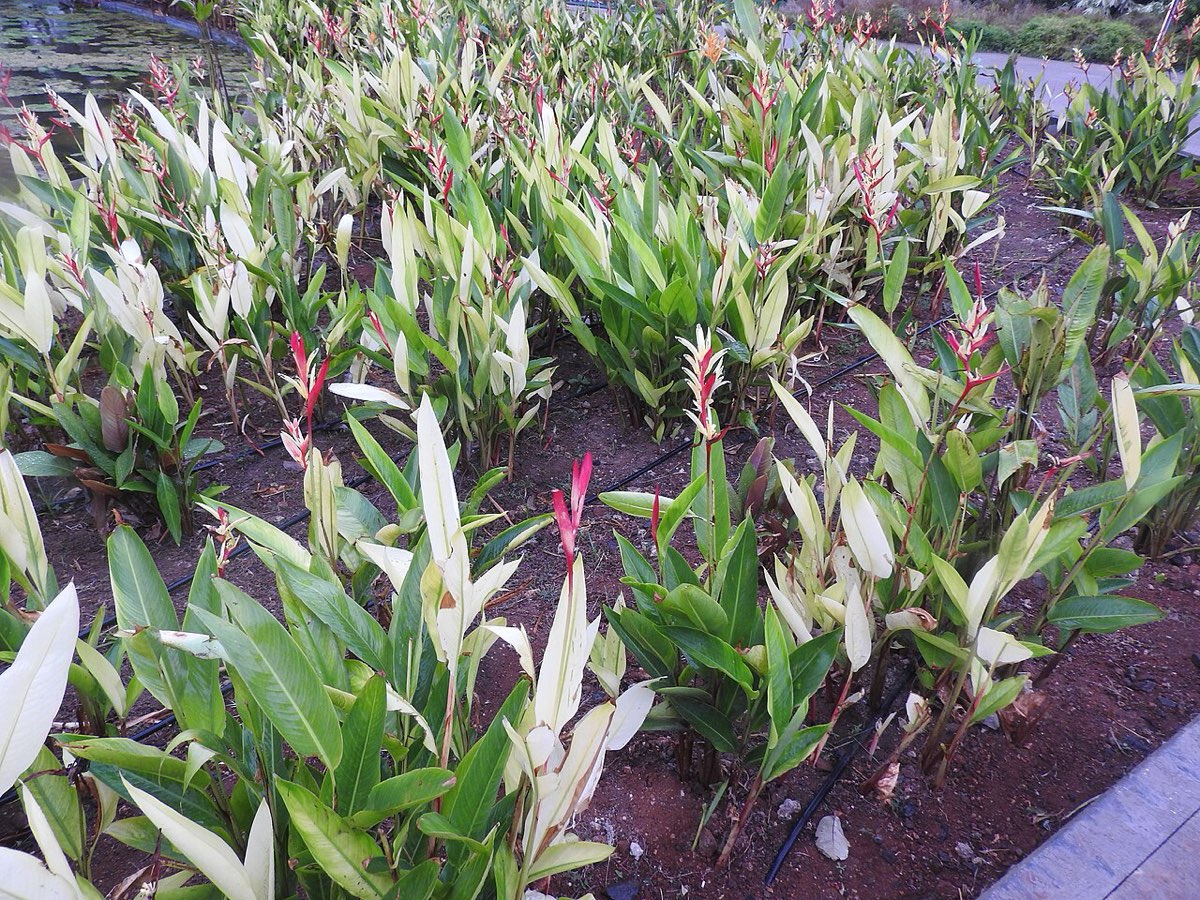
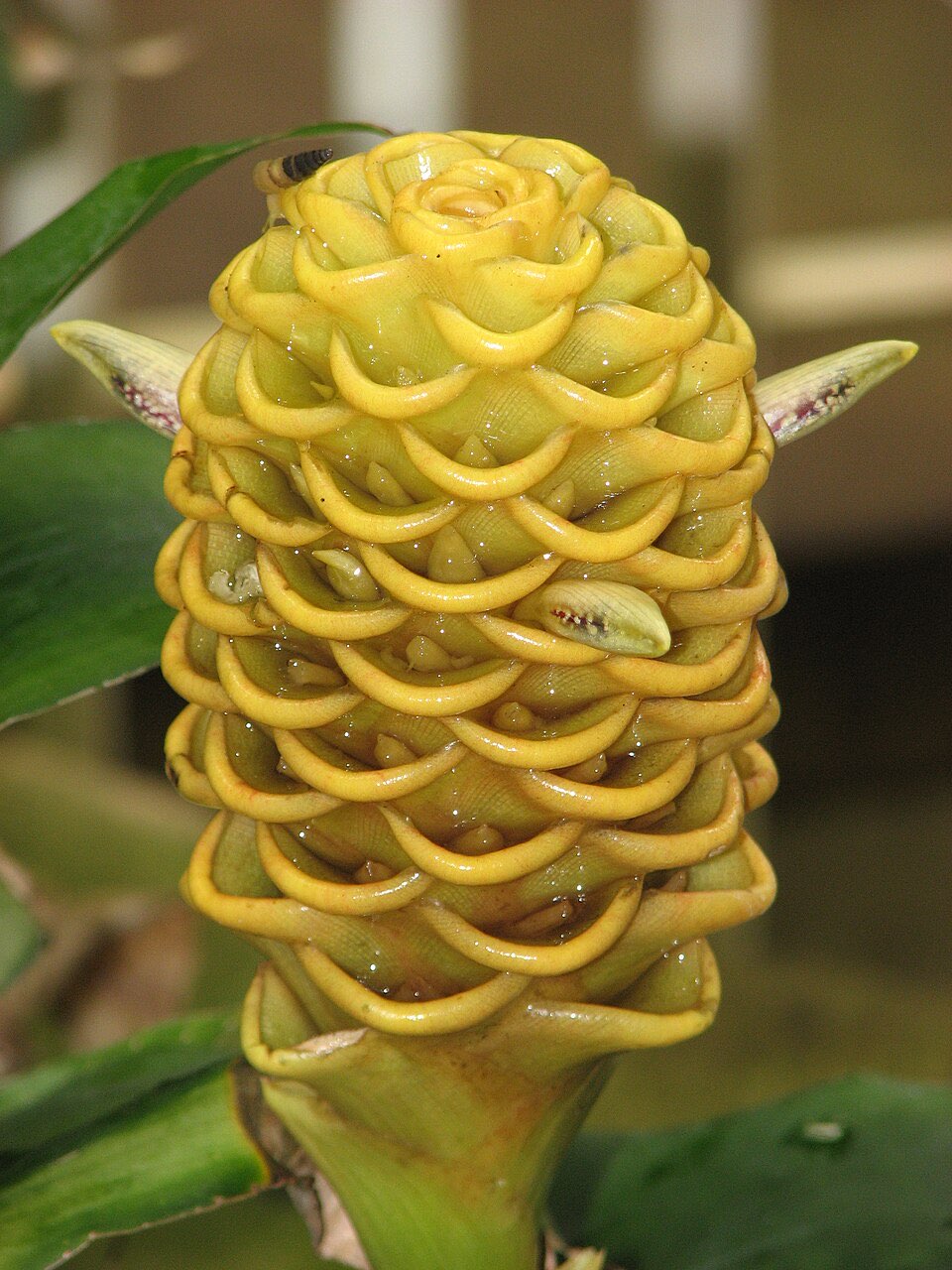
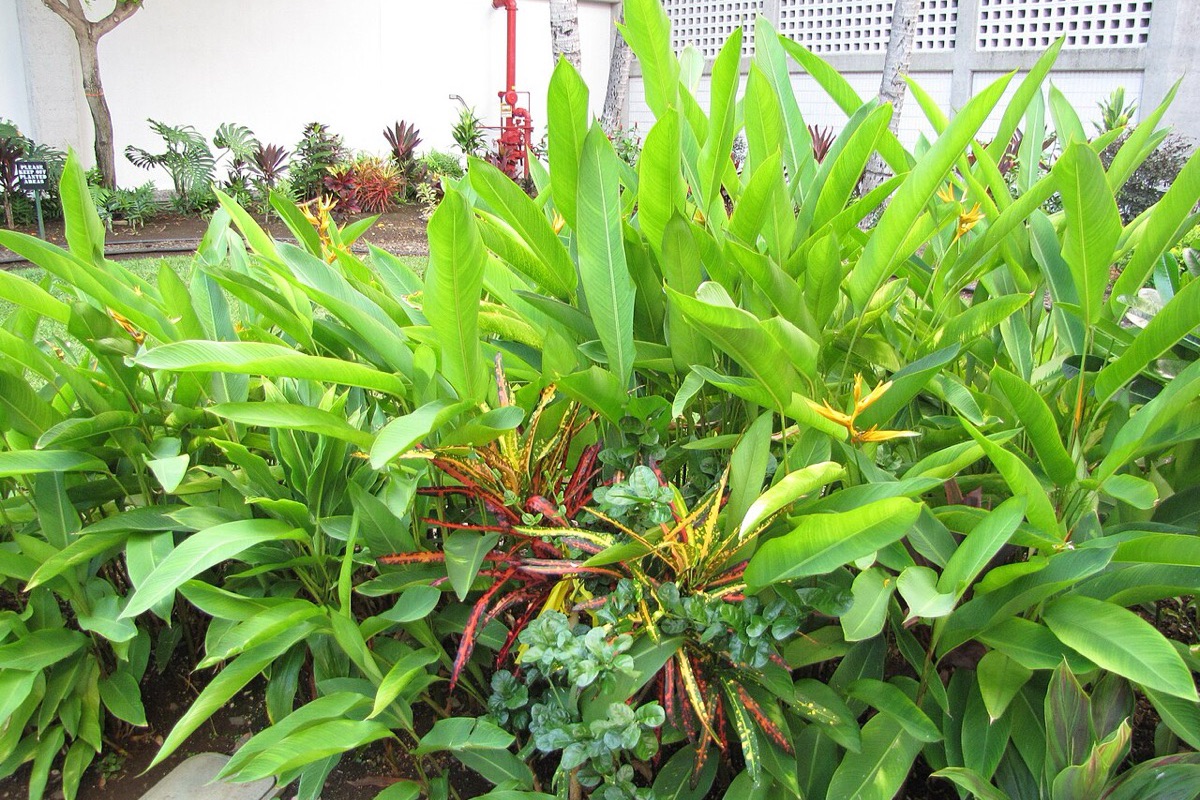
- Lower layer, one to two metres: Parrot's Beak Heliconia, Lady Di Heliconia, Golden Beehive Ginger, Variegated Shell Ginger and costus.
- Ground level: low foliage plants, ferns or groundcovers that hide the soil and keep it cool.
Colour and texture
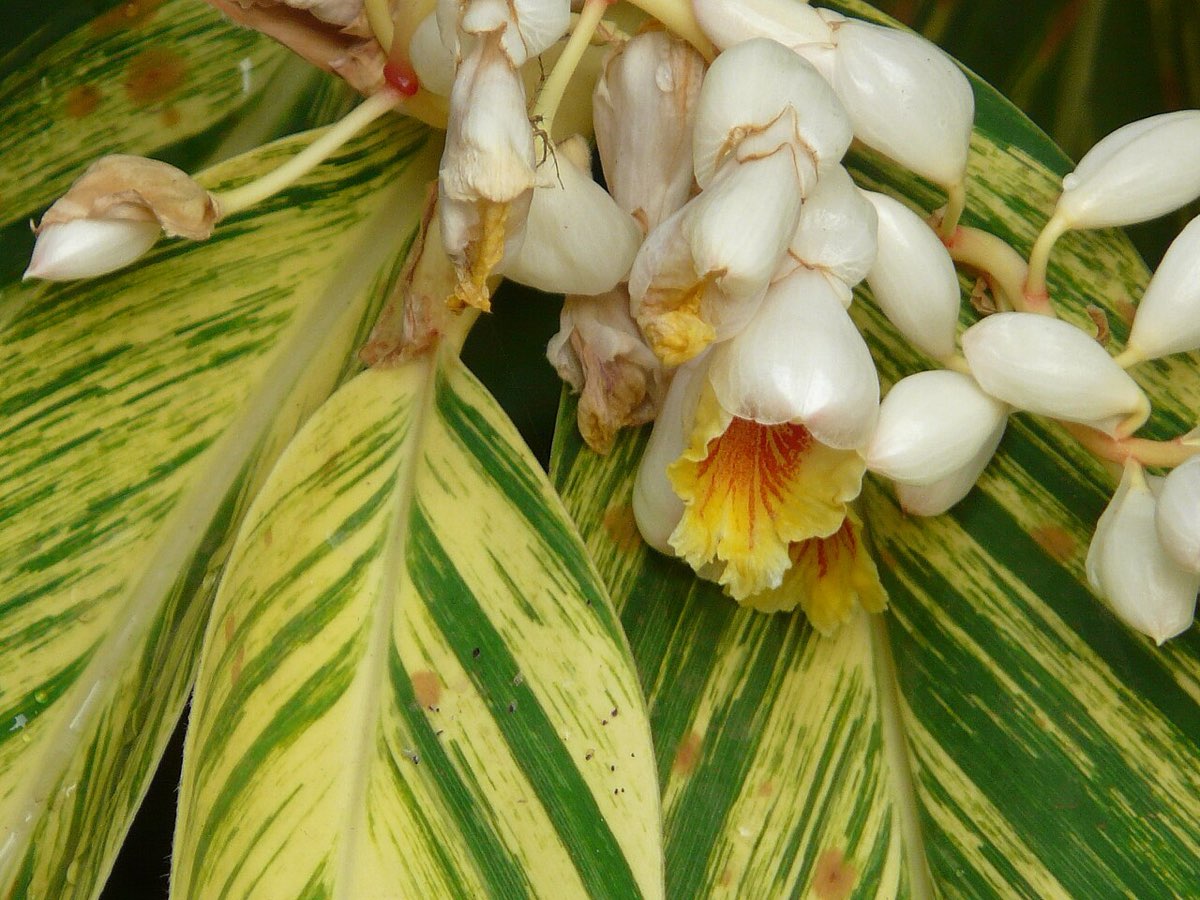
In a tropical garden, foliage matters as much as flowers. Combine contrasting leaf shapes and sizes: the huge paddles of bananas and heliconias, the narrow arching leaves of shell ginger, the fine texture of ferns. Variegated or coloured leaves, such as the cream stripes of variegated shell ginger or the burgundy splashes of Musa zebrina, light up shady corners even when nothing is in flower.
For flowers, choose a palette. Hot colours, red, orange and yellow, from parrot's beak heliconias, red ginger and golden beehive ginger, are lively and are seen from a distance. Pinks and burgundies, from pink torch ginger and Sexy Pink heliconia, are softer. Repeating the same plant or colour in two or three places makes the design look intentional.
Spacing and placement
The most common mistake is planting too close. These plants spread through rhizomes and fill space quickly. Leave 60 to 90 centimetres between compact heliconias and small gingers, about one and a half metres for ornamental bananas, and two metres or more for large heliconias and torch ginger. Plant groups of three or five of the same plant rather than single specimens.
Place tall plants at the back of beds or in the centre of island beds, and keep paths at least a metre wide, as leaves will lean over them. Hanging heliconias look best where you can see the inflorescences from below or at eye level, for example beside a terrace.
Leave access to every clump, because you will need to reach in to cut finished stems and divide plants in the future.
Soil preparation and irrigation
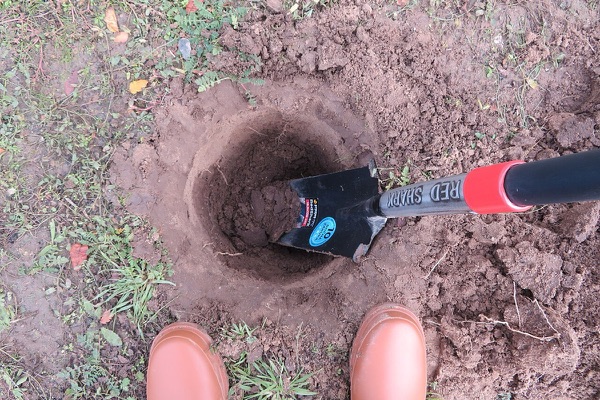
All three groups are hungry and thirsty. Before planting, work a generous amount of compost or well-rotted manure into the whole bed, not just the planting holes. In Yucatán's shallow, stony soils, raised beds 30 to 40 centimetres high filled with a mix of soil and organic matter are the most practical solution.
Group the plants by water needs and install drip irrigation or soaker hoses before mulching; it saves a lot of water and time in the dry season. Finish with a thick mulch of leaves or chipped wood. Chopped banana and heliconia leaves from routine maintenance make excellent mulch for the same bed.
Maintenance through the year
A tropical garden needs regular but simple care. During the rainy season, feed monthly with compost or a balanced fertiliser and cut stems that have finished flowering at ground level. In the dry season, water deeply and keep the mulch thick. Every few years, divide heliconia and ginger clumps that have become crowded and use the divisions to extend the garden.
Before the hurricane season, remove dry or torn leaves and check that tall plants are not leaning over paths or roofs. After a storm, cut broken stems; the clumps will regrow quickly from their rhizomes.
Fragrance, hummingbirds and butterflies
A tropical garden should be enjoyed with all the senses. Plant white butterfly ginger near a terrace or window, where its intense evening fragrance can be appreciated, and add shell ginger, whose flower clusters have a delicate scent. Ylang-ylang in the upper layer perfumes the whole garden when it flowers.
Heliconias are among the best plants for attracting hummingbirds: their tubular flowers hidden in the bracts are designed for long beaks. Costus and gingers also feed hummingbirds and bees, and the dense foliage of bananas and heliconias offers shelter to small birds. A shallow birdbath or small fountain completes the scene.
To keep this wildlife coming, avoid broad-spectrum insecticides. Most pests in a diverse, well-mulched tropical garden can be handled by hand or with potassium soap, and birds and beneficial insects will do much of the work for you.
A sample planting plan
For a bed of about three by five metres in a warm region: at the back, a Musa zebrina and a red torch ginger; in the middle, three hanging lobster claw heliconias or other medium-to-large heliconias; in front, groups of parrot's beak and Lady Di heliconias alternating with golden beehive ginger and variegated shell ginger. Finish the edge with low foliage plants. In one or two rainy seasons, this bed will look like a corner of the rainforest.
Questions & Answers
Can I have a tropical garden in Mexico City or other highland cities?
Partly. Choose sheltered, sunny courtyards, use large pots that can be moved in cold spells and favour the more cold-tolerant plants, such as shell ginger and white butterfly ginger.
Which heliconias are best for small gardens?
Compact psittacorum types such as parrot's beak, Lady Di and Golden Torch, which stay at one to one and a half metres and flower almost all year in warm climates.
Do heliconias, gingers and bananas grow well together?
Yes. They need similar conditions: warmth, rich soil, abundant water and shelter from wind, which makes them easy to combine in the same bed.
How long does a tropical garden take to fill in?
With good soil, water and feeding, most beds look full after one or two rainy seasons.