How to Grow Tropical Gingers: Beehive, Awapuhi, Torch and Red Ginger
Tropical gingers bring long-lasting flowers, lush foliage and often fragrance to shady and semi-shady corners where many plants struggle. From the waxy cones of beehive ginger to the giant pink blooms of torch ginger, they share a few simple needs: warmth, moisture and rich soil. Here is how to grow the most popular ornamental and edible gingers in Mexico.
Meet the main groups
The word ginger covers several plant families with very different looks. Knowing which group your plant belongs to helps you understand its size, season and care.
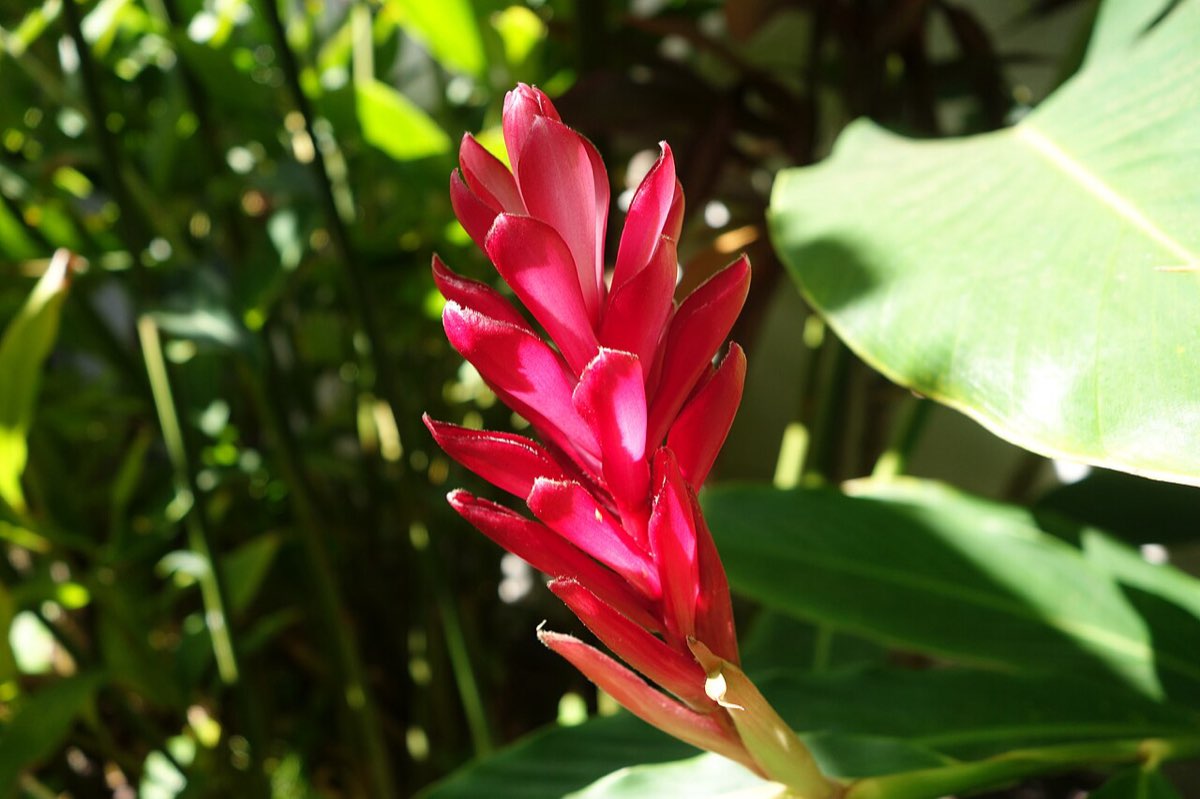
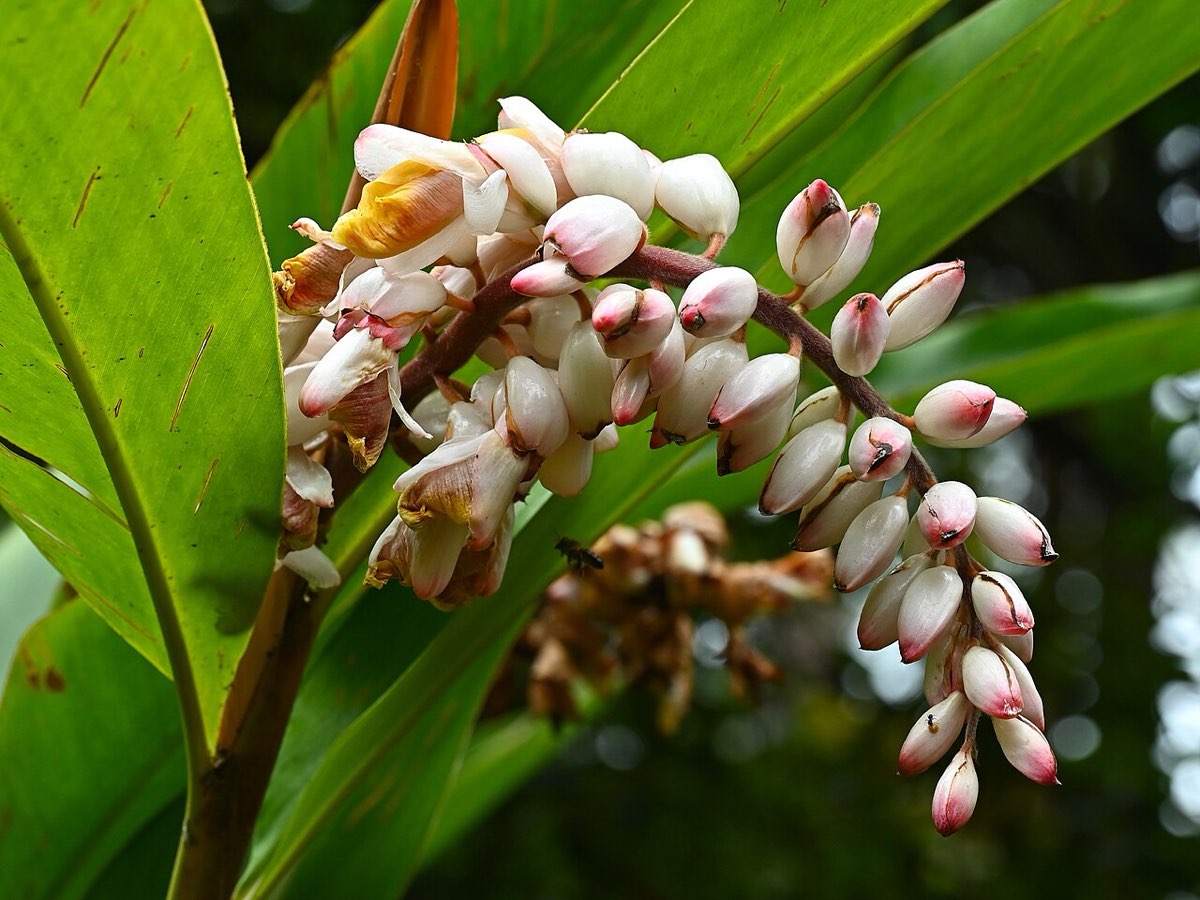
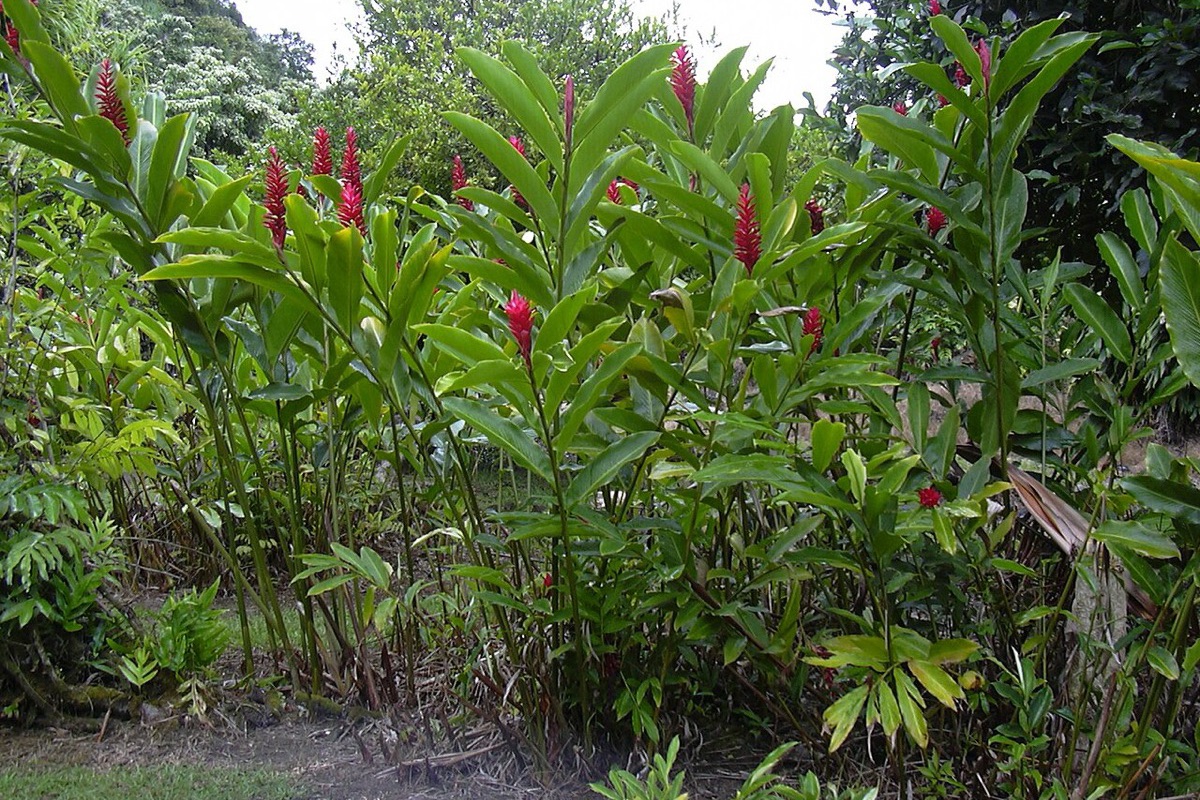
- Alpinia: Red Ginger and pink ginger have upright red or pink bracts almost all year; Shell Ginger has hanging clusters of porcelain-like flowers and a variegated form grown for its leaves. Plants reach 1.5 to 3 metres.
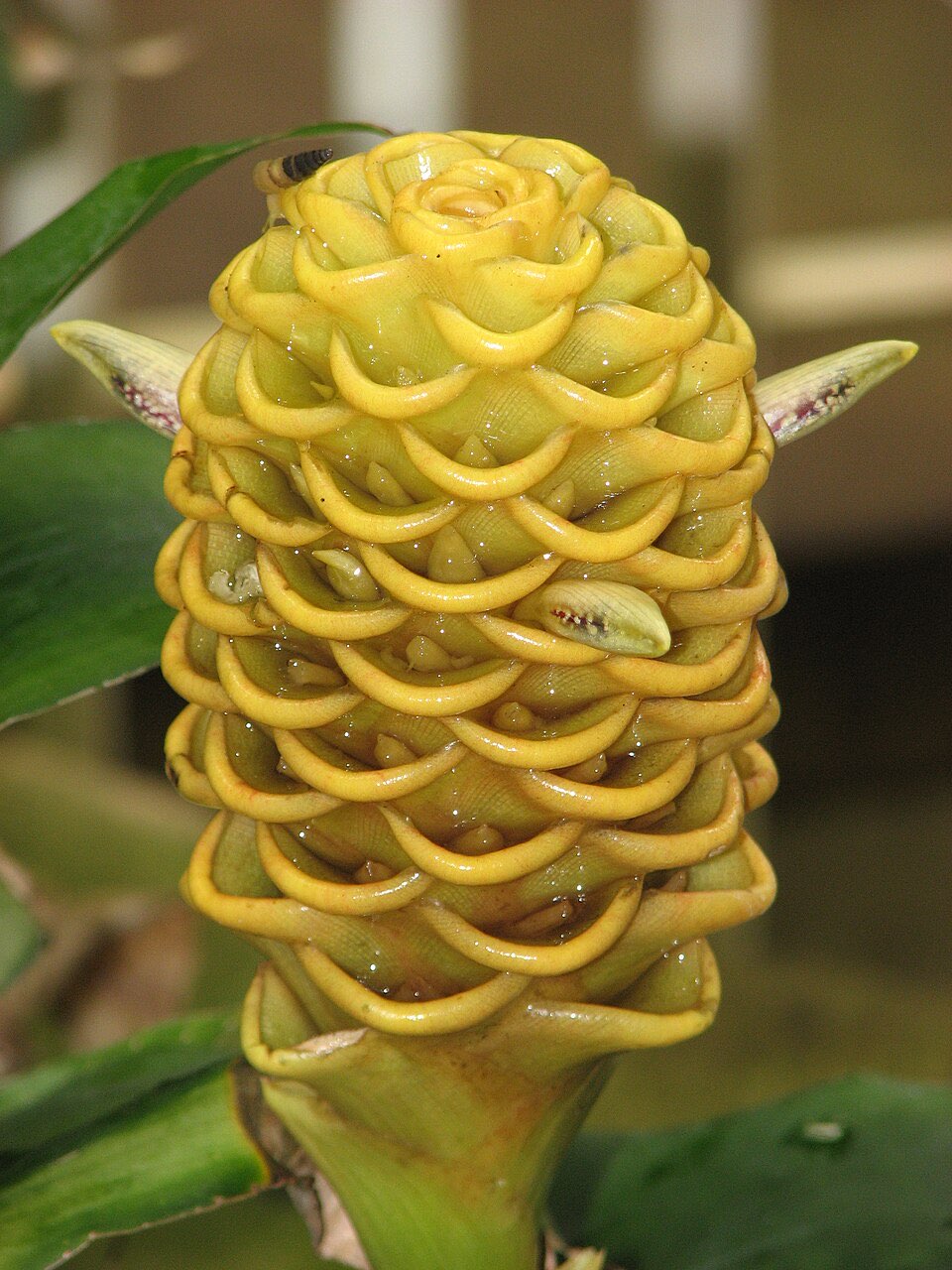
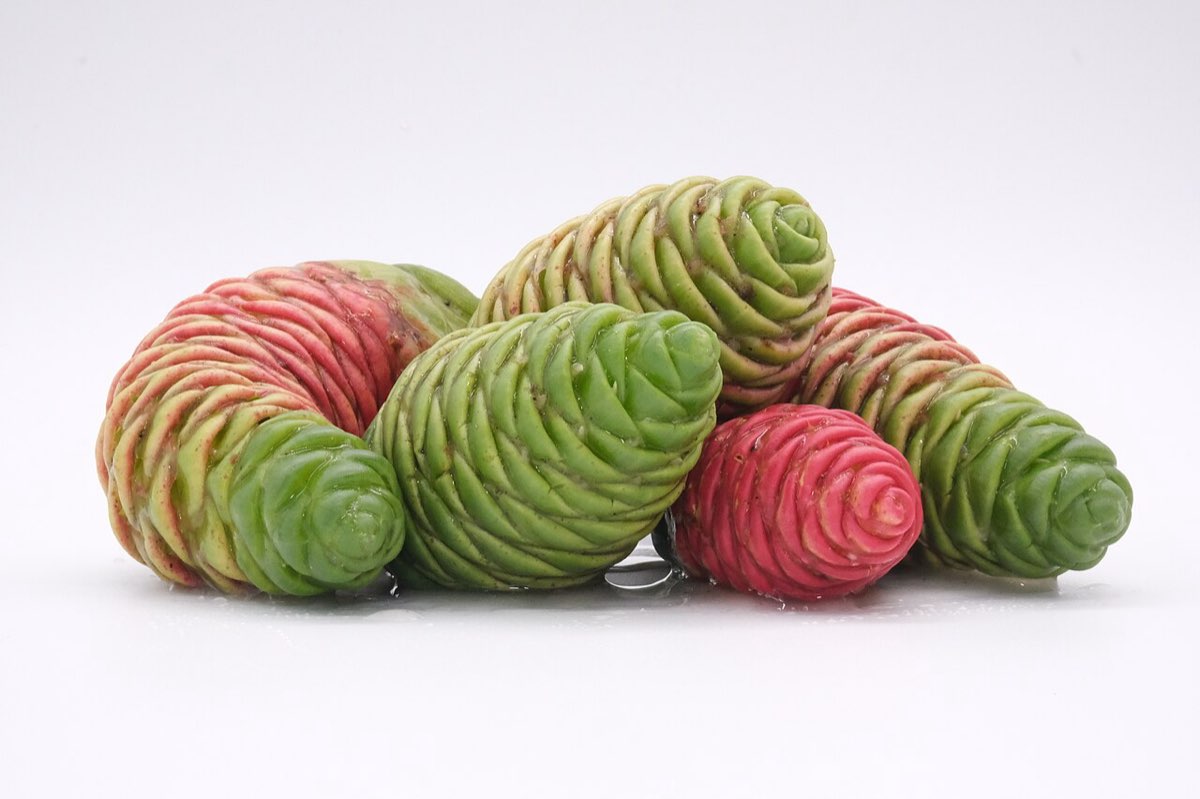
- Zingiber: Golden Beehive Ginger and its red, pink and chocolate relatives form long-lasting cones on short stalks; Awapuhi Shampoo Ginger produces red cones full of fragrant clear sap. Culinary ginger belongs here too.
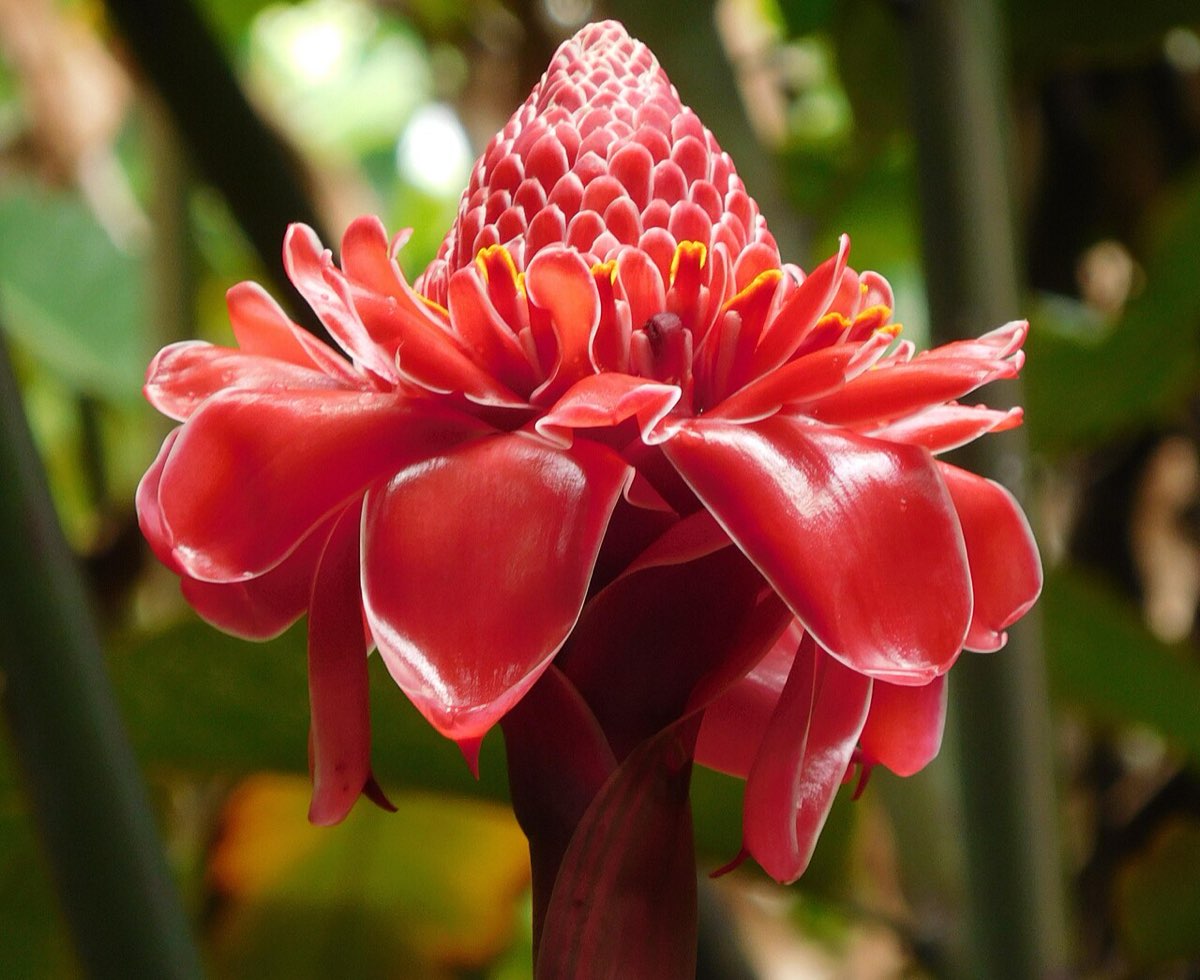
- Etlingera: Red Torch Ginger and pink torch ginger are giants with leafy stems of three to five metres and spectacular flowers on separate stalks from the base.
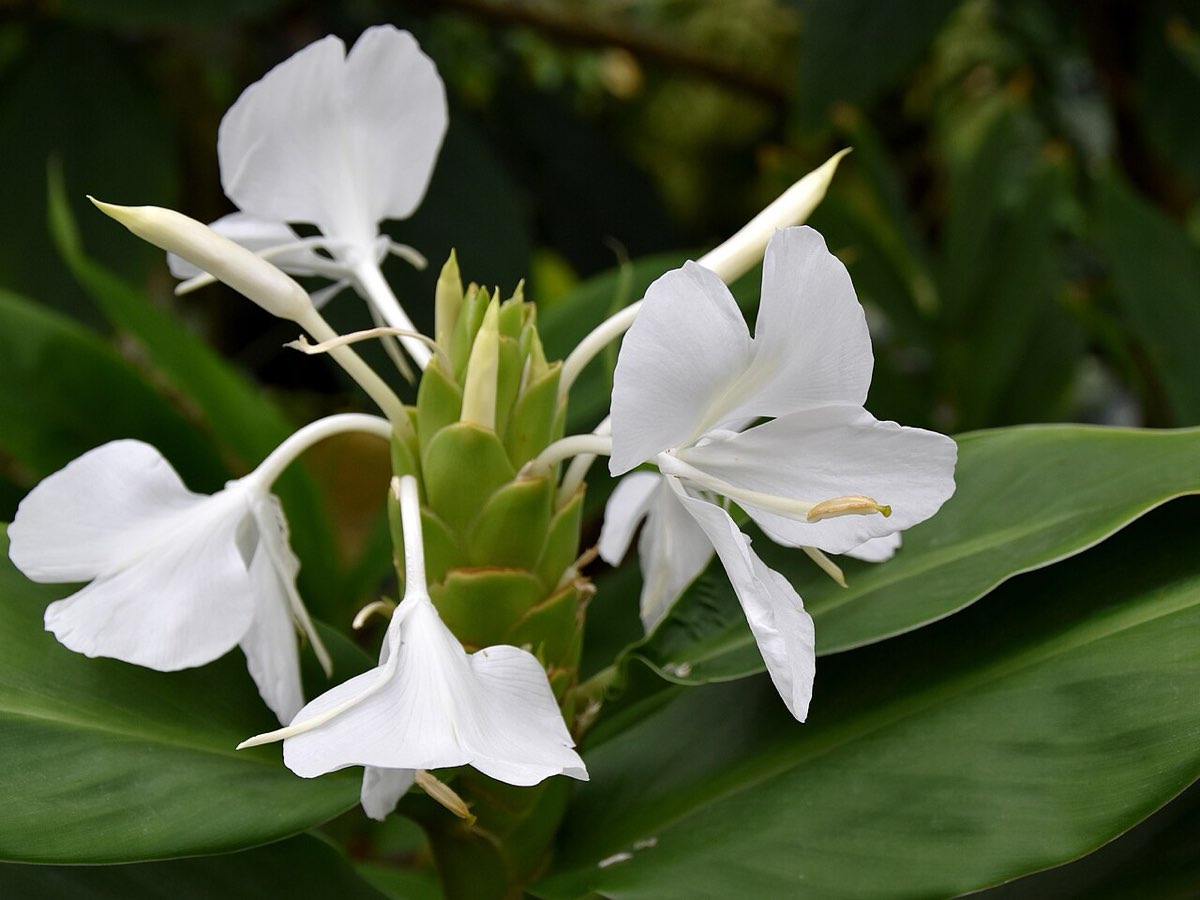
- Hedychium: White Butterfly Ginger has very fragrant white flowers, especially in the evening.
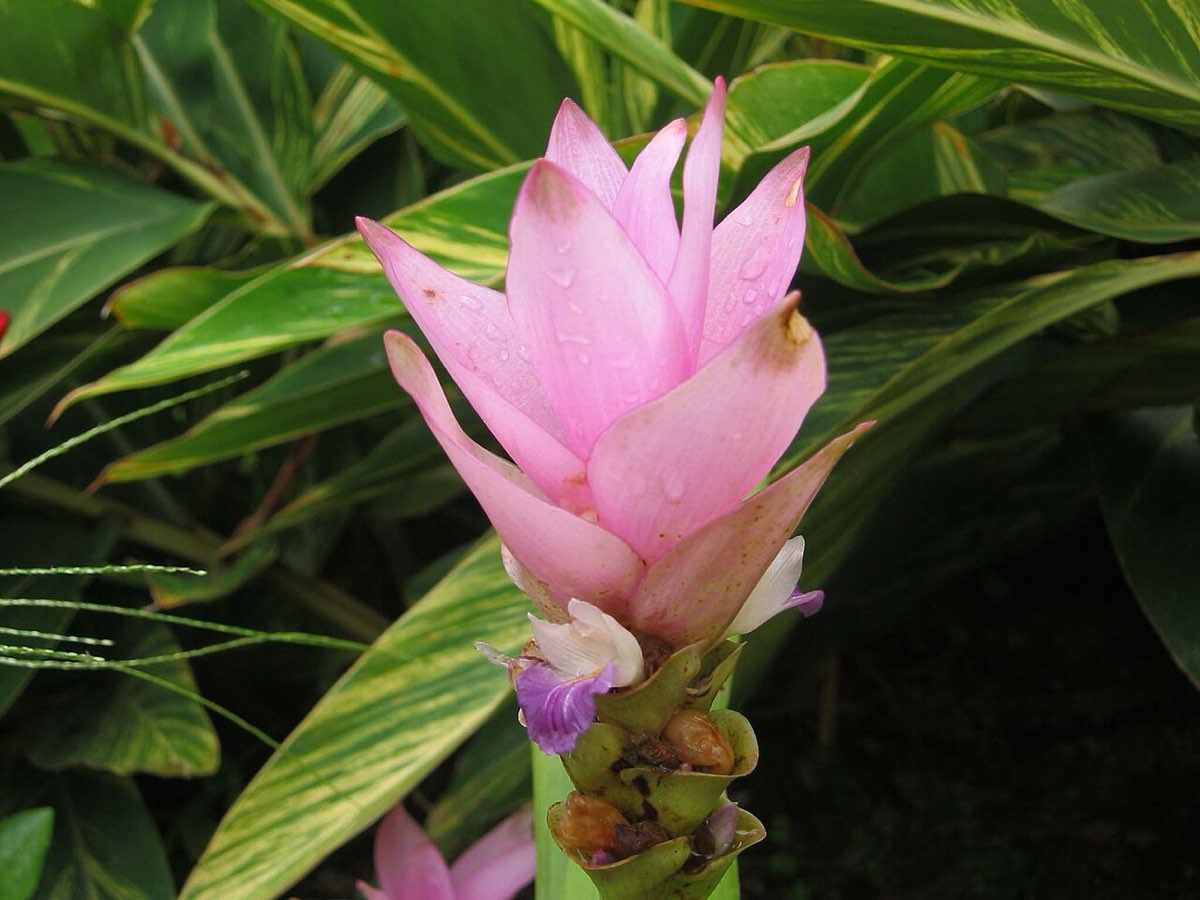
- Costus and Curcuma: crepe ginger and other costus have spiral stems; the Siam Tulip and turmeric are compact and go dormant in the dry season.
Light and location
Most ornamental gingers grow naturally at the edge of tropical forests, so they prefer bright, filtered light or morning sun with afternoon shade. In the intense sun of Yucatán or the Pacific coast, full sun bleaches and burns the leaves of beehive and torch gingers. In humid, cloudier regions like the Chiapas lowlands or Veracruz, red ginger and shell ginger tolerate full sun well.
Shelter from wind is important, particularly for torch ginger, whose tall stems and large leaves tear easily. Planting gingers near a wall, under tall trees or between larger shrubs gives them the protected, humid microclimate they love.
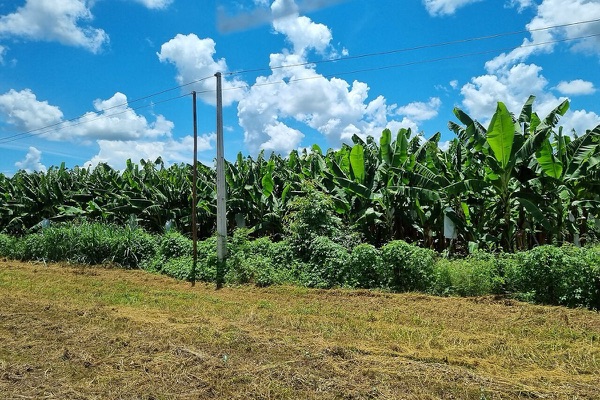
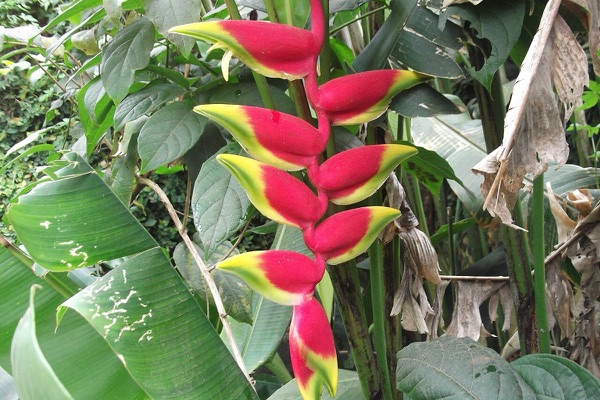
Gingers also combine beautifully with heliconias and bananas, which enjoy the same conditions. Use the taller torch and shell gingers at the back of a bed and the compact beehive gingers and siam tulips in front, where their flowers can be seen up close.
Planting the rhizomes
Gingers need soil rich in organic matter that holds moisture but drains well. Dig in plenty of compost or worm castings before planting. In Yucatán's alkaline soils, a raised bed with plenty of organic matter makes a big difference, and leaf mulch helps keep the pH from rising around the roots.
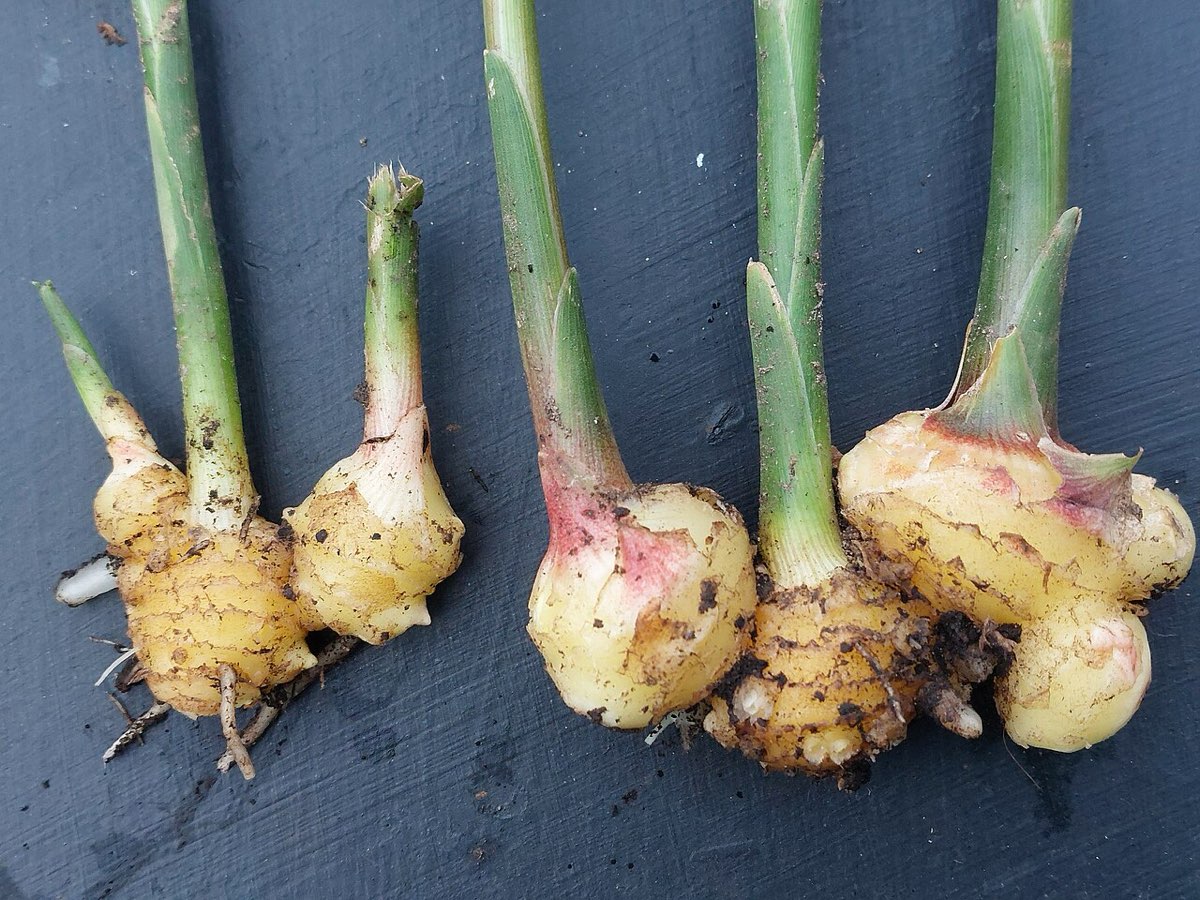
Plant rhizomes horizontally, just below the surface, two to five centimetres deep, with the buds or stem pointing up. Water once thoroughly and then keep the soil only slightly moist until shoots appear. Space small species 40 to 60 centimetres apart, medium ones about one metre, and torch gingers at least one and a half to two metres. Planting at the start of the rainy season gives the best results.
Water, feeding and mulch
During active growth, gingers like consistently moist soil. In the dry season, water deeply two or three times a week, and daily for pots during heat waves. White butterfly ginger tolerates almost waterlogged soil and looks great near ponds or drains, while most others prefer moist but airy soil.
Feed every month from the start of the rains until autumn with compost or a balanced fertiliser. A thick layer of mulch, five to ten centimetres of dry leaves or chopped plant material, keeps the roots cool and moist and feeds the soil as it decomposes.
Dormancy: don't panic when leaves disappear
Several gingers have a natural rest period. Awapuhi, siam tulip, turmeric and culinary ginger usually die back in the cooler or drier months and resprout when the rains return. During dormancy, reduce watering almost completely so the rhizome does not rot, and mark where the plants are so you do not dig them up by mistake. Evergreen types such as red ginger and shell ginger keep their leaves but grow more slowly in the dry season.
Flowering, pruning and cut flowers
Each type has its own rhythm. Red ginger can flower almost all year in warm climates; old flower heads often form small plantlets that can be removed and rooted. Beehive gingers flower mainly in the rainy season and their cones last for weeks. Shell ginger flowers on canes that are at least a year old, so only remove stems that have already flowered or are damaged.
Cut old stems at ground level after they finish flowering. Gingers make excellent cut flowers: torch ginger, beehive ginger and red ginger can last one to two weeks in a vase if you cut them early in the morning and recut the stems under water.
Propagating gingers
Gingers are easy to multiply. The simplest method is division: at the start of the rainy season, dig up part of a crowded clump and cut the rhizome into pieces, each with at least one or two buds or healthy stems. Let the cuts dry for a few hours in the shade and replant at the same depth as before.
Some gingers offer extra shortcuts. Red and pink ginger often form small plantlets among the old bracts of the flower head; when they have a few leaves and the first roots, cut them off and pot them in a moist, airy mix. Crepe ginger and other costus root easily from stem sections laid horizontally on moist soil, half buried. Beehive gingers and torch gingers are best propagated by division only.
New divisions need light shade, steady moisture and no fertiliser until they show new leaves, usually after three to six weeks.
Edible gingers: turmeric and culinary ginger
Turmeric and Culinary Ginger are grown much like the ornamentals. Plant pieces of rhizome with at least one bud at the start of the rainy season, in loose, rich soil or a wide pot. Harvest when the leaves turn yellow and dry, usually eight to ten months later. You can dig carefully at the edge of the clump earlier for small amounts of young rhizome. Keep a few pieces to replant the next season.
Questions & Answers
Can tropical gingers grow in shade?
Most do well in partial shade or filtered light, which is ideal in hot regions. In deep shade they grow leaves but flower less.
Why did my awapuhi ginger disappear?
Awapuhi goes dormant in the cool or dry season and loses its leaves. Water very little while it rests; it will sprout again when the warm rains arrive.
How long does torch ginger take to flower?
From a young plant it usually takes one to two years, once the clump has several mature stems. It needs space, warmth, humidity and wind protection.
Can I grow gingers in pots?
Yes. Beehive ginger, siam tulip, variegated shell ginger and edible ginger do well in wide pots with rich, well-draining mix. Torch ginger is too large for most containers.