How to Grow Tropical Fruit Trees: Mango, Avocado, Mamey and Sapodilla
Mango, avocado, mamey and chicozapote are part of everyday life in Mexico, and several of them are native to the south of the country. Growing your own tree is easier than many people think, as long as you respect a few rules about drainage, sun and the dry season. Here is how to plant and care for the most popular tropical fruit trees, region by region.
Which tropical fruit trees suit your region
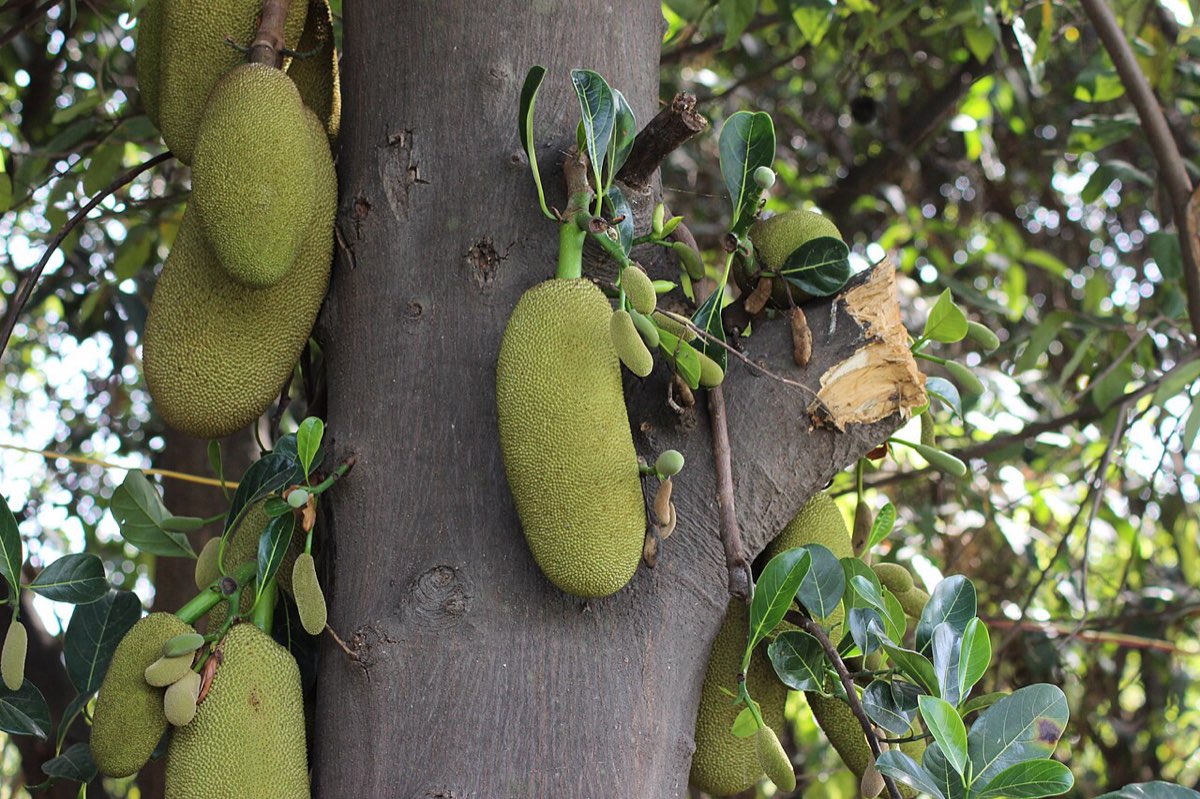
Tropical fruit trees need warmth all year, but they differ a lot in how much rain, cold and soil variation they tolerate. Mango and sapodilla are tough and adapt from the Yucatán limestone to the Pacific coast. Mamey and star apple like heat and regular moisture. Avocado needs perfect drainage above all else. Jackfruit and cinnamon prefer the humid lowlands of Chiapas, Tabasco and Veracruz.
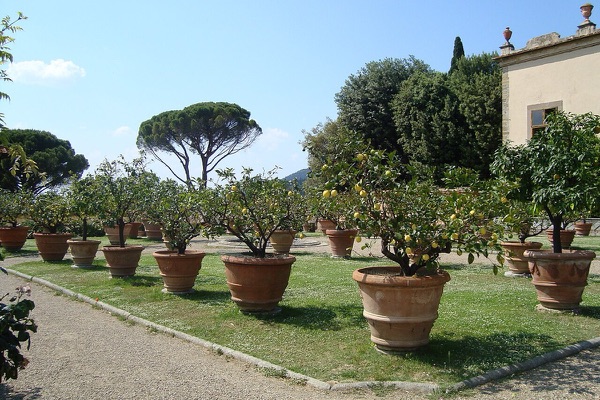
In the highlands and the north, frost is the limiting factor. Most of these trees are damaged at or just below 0 °C, especially when young, so plant them against a south-facing wall, protect them during cold fronts, or choose a container for the first years.
- Very adaptable, heat and drought tolerant once established: Ataulfo Mango, Sapodilla, cashew, calabash tree.
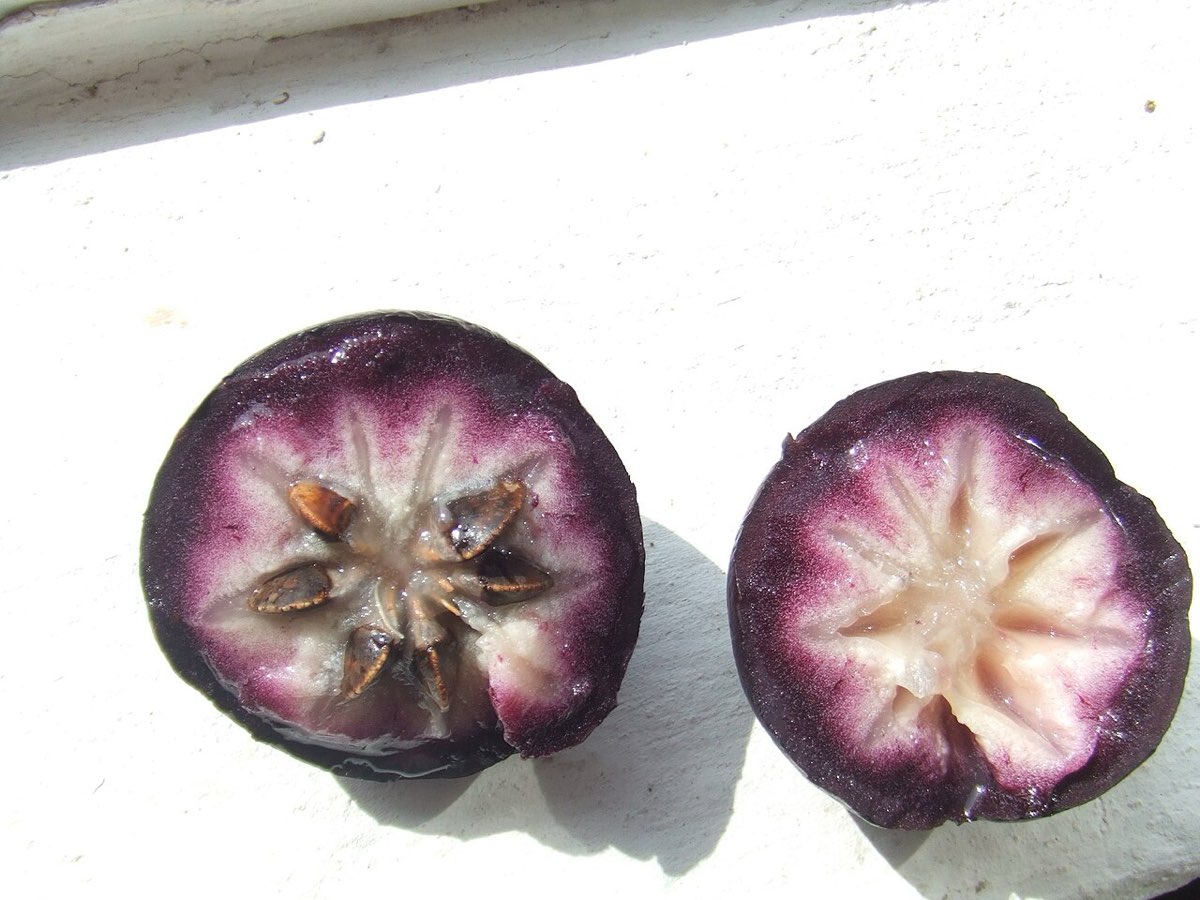
- Heat with regular water: Red Mamey Sapote, Purple Star Apple, rose apple, Surinam cherry.
- Humid lowlands: Jackfruit, cinnamon, jambolan.
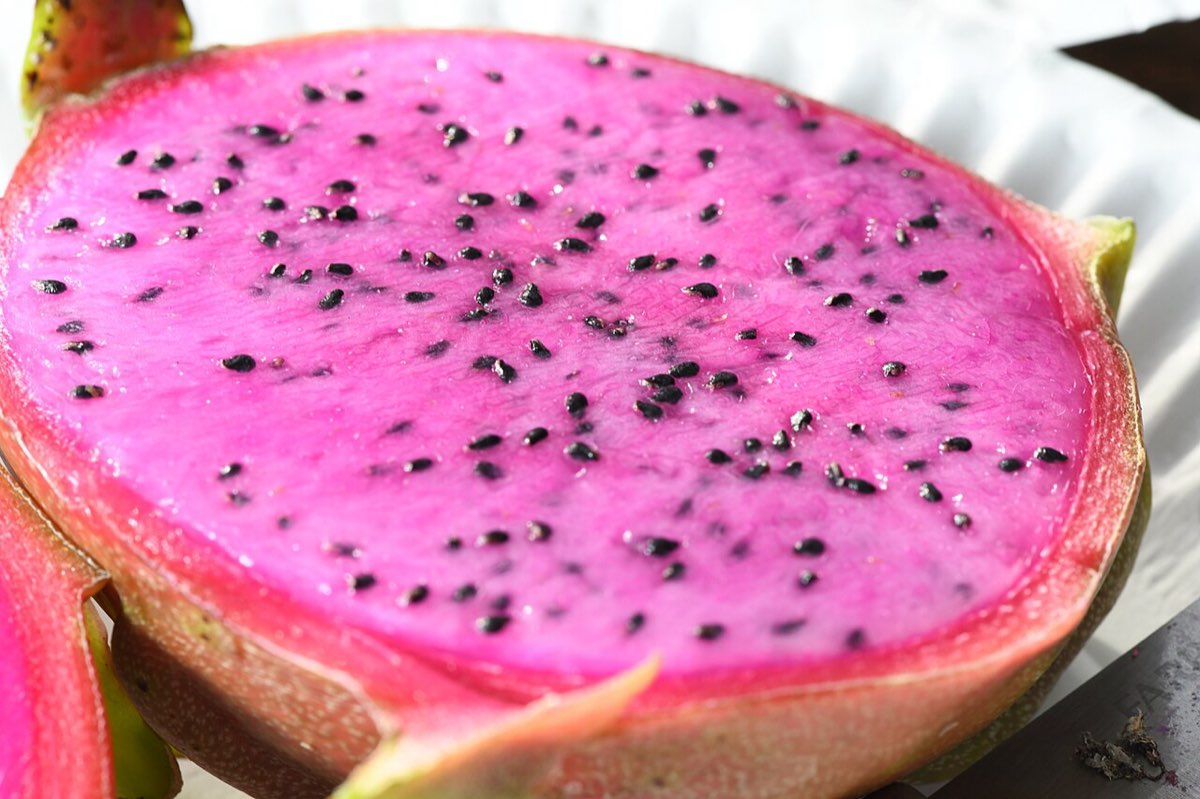
- Needs excellent drainage: Booth 8 Avocado, Dragon Fruit.
Mango: give it a real dry season
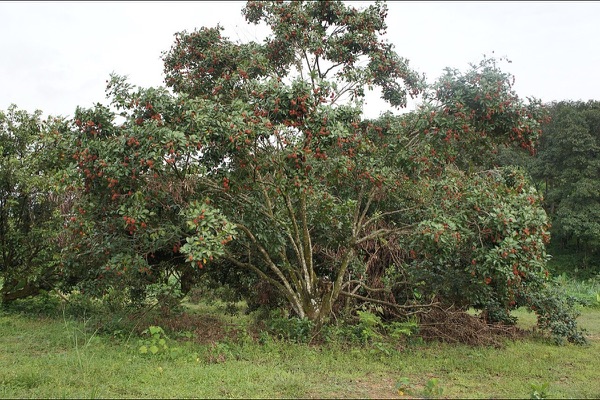
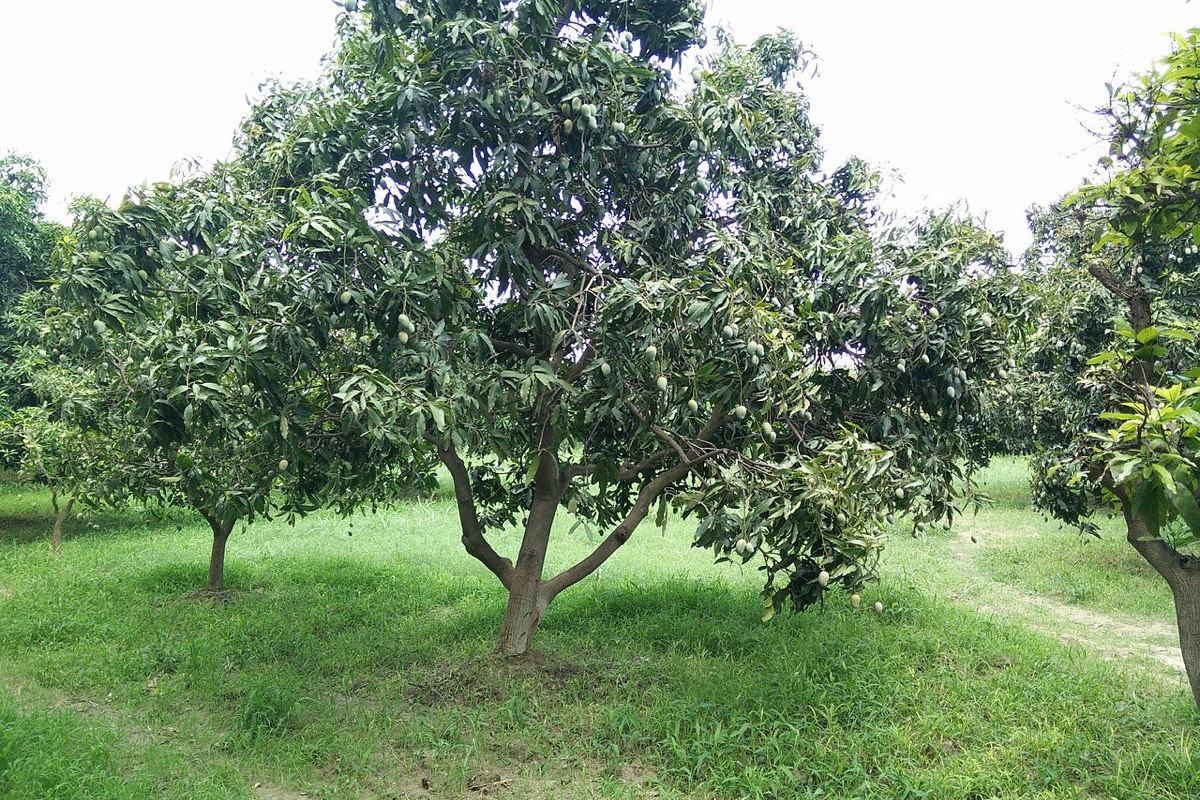
Mango flowers best after a few months of dry weather, which is why it thrives in places like Chiapas, Guerrero, Sinaloa and Yucatán. Rain during flowering encourages anthracnose, a fungus that blackens flowers and young fruit, so avoid watering mature trees heavily from the end of the rains until fruit has set. Young trees, on the other hand, need regular water in the dry season for their first two years.
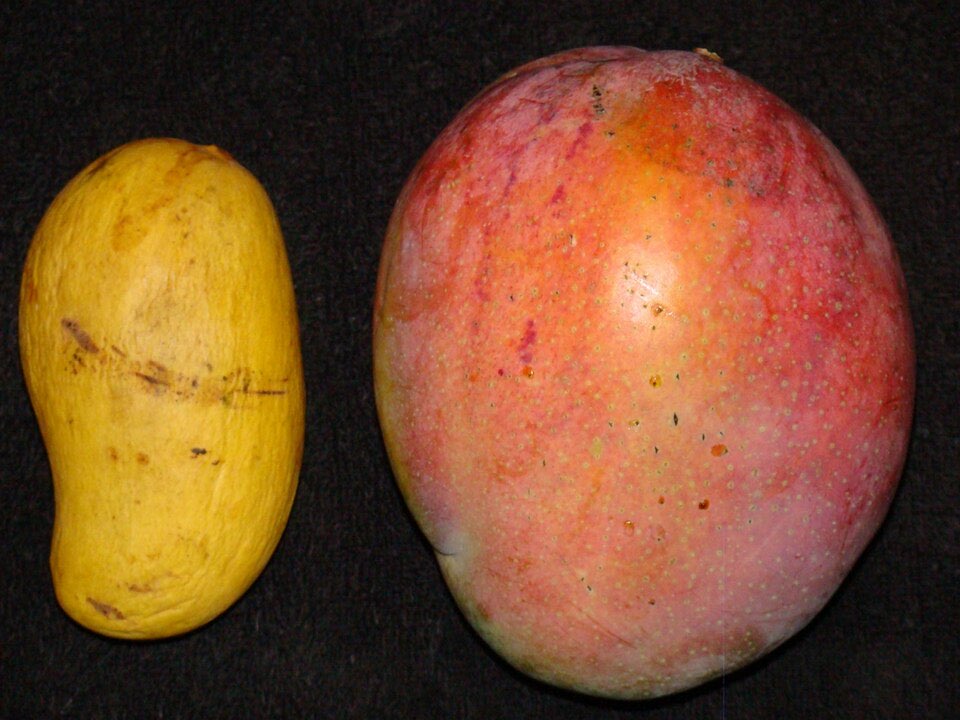
Ataulfo is a compact, low-fibre variety that originated in the Soconusco region of Chiapas. Tommy Atkins is vigorous and colourful, and Piña mango is valued for its aromatic flesh. All of them can be kept at three to four metres with pruning right after harvest, which makes picking much easier.
Avocado: drainage first
The main enemy of avocado in a home garden is root rot caused by waterlogged soil. Plant on a mound 30 to 50 centimetres high if your soil is clay or the water table rises in the rainy season, and never plant where puddles stay after a storm. Mulch generously, since avocado roots are shallow and love an organic layer, but keep the mulch off the trunk.
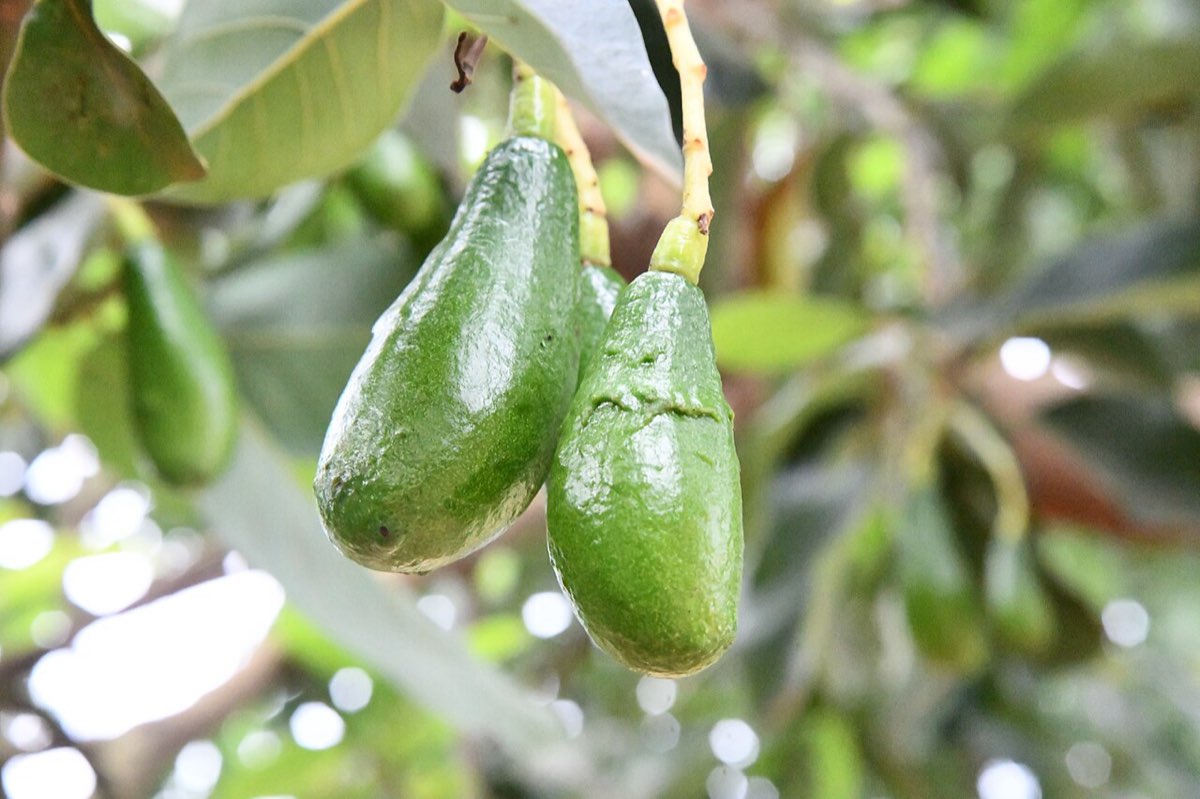
Booth 8 is a hybrid avocado from the West Indian and Guatemalan groups, adapted to hot, humid lowlands where Hass struggles. It has larger fruit with a smooth green skin and a milder flavour. Like most avocados, it fruits better when there is another avocado tree flowering nearby.
Mamey, sapodilla and star apple: native giants
Mamey sapote and sapodilla are native to southern Mexico and Central America, and the star apple, or caimito, is common in backyards across the southeast. All three become large, long-lived trees, so give them space: at least six to eight metres from buildings. They tolerate the alkaline soils of Yucatán better than many imported species.
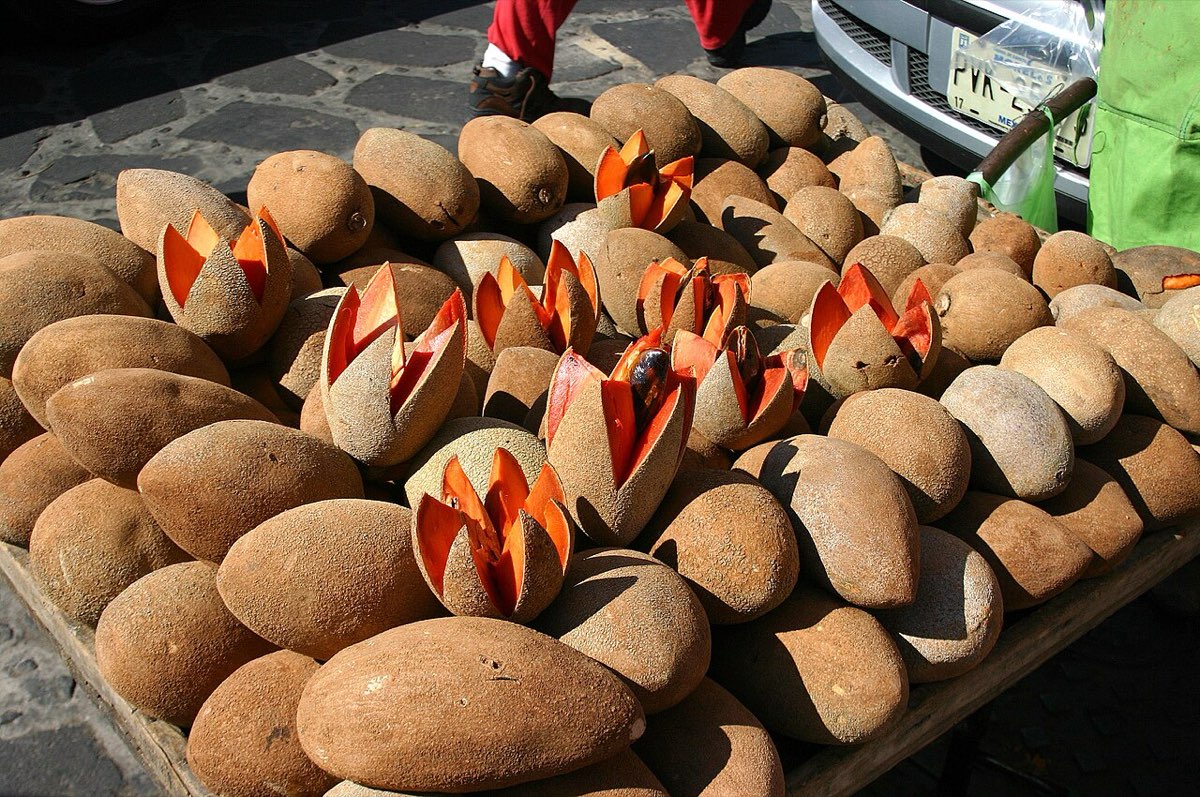
Sapodilla is one of the most resilient fruit trees you can plant: it handles drought, wind and poor soil. Mamey is less forgiving of waterlogging and of cold, and young trees appreciate light shade in their first dry season. Mamey fruit takes many months to mature on the tree; scratch the skin gently and check that the flesh underneath is orange-red, not green, before picking.
Planting step by step
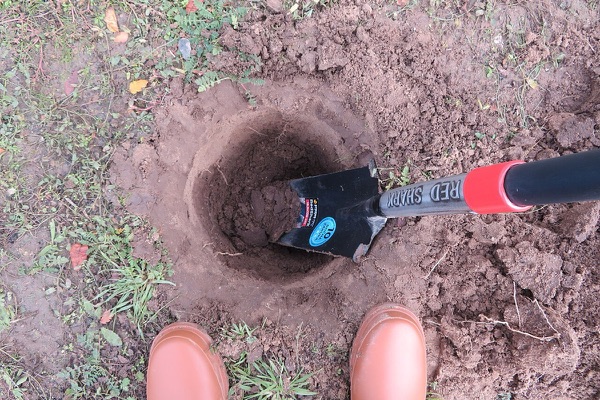
The best time to plant is at the beginning of the rainy season, from June to July in most of Mexico. Dig a hole two to three times wider than the root ball. Mix the soil you removed with about a third of compost. Place the tree at the same depth it had in the nursery bag, backfill, press gently and water until the soil is soaked.
In very hot areas, protect the trunk of young trees from sunburn with a coat of diluted white latex paint or a loose wrap of shade cloth. Install a stake on windy sites and tie the tree with a soft strap that does not cut into the bark.
- Spacing for full-size trees: 6–8 m for mango, mamey and jackfruit; 5–6 m for avocado and sapodilla.
- Spacing for pruned backyard trees: 3–4 m.
- Dragon fruit: plant 2–3 cuttings around a sturdy post about 1.5 m tall with a crossbar or ring on top.
Water, food and pruning for the first three years
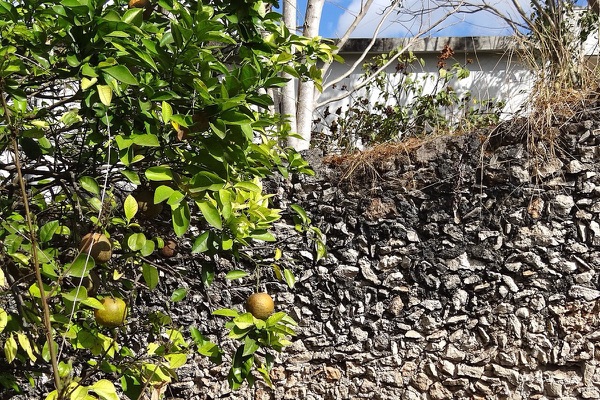
Water young trees deeply two or three times a week in the dry season and reduce to weekly or less once they are established. Feed every six to eight weeks during the rainy season with a balanced fertiliser or compost. On limestone soils, star fruit and avocado often show yellow leaves with green veins; a chelated iron product applied to the soil usually corrects it.
Shape the tree early. Pinch the main stem at around 80 centimetres to one metre to encourage three or four well-spaced branches, and remove suckers that appear below that point. Light, regular pruning is far better than a drastic cut years later.
Harvesting at the right moment
Knowing when to pick is half the pleasure of growing your own fruit. Mangoes are ready when the shoulders fill out around the stem and the flesh near the seed starts turning yellow; you can pick them firm and let them finish ripening indoors. Avocados do not soften on the tree: pick a mature fruit and leave it at room temperature for several days. If it shrivels instead of softening, it was picked too early.
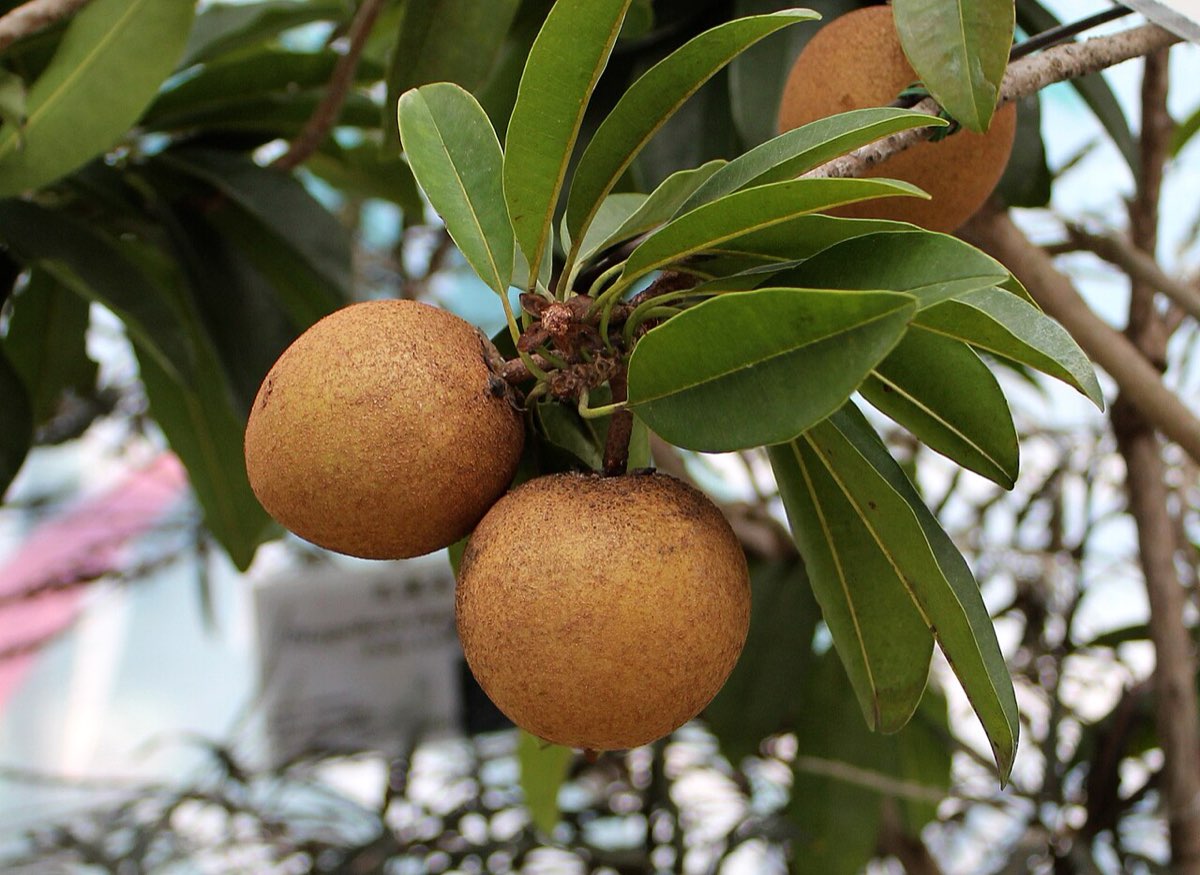
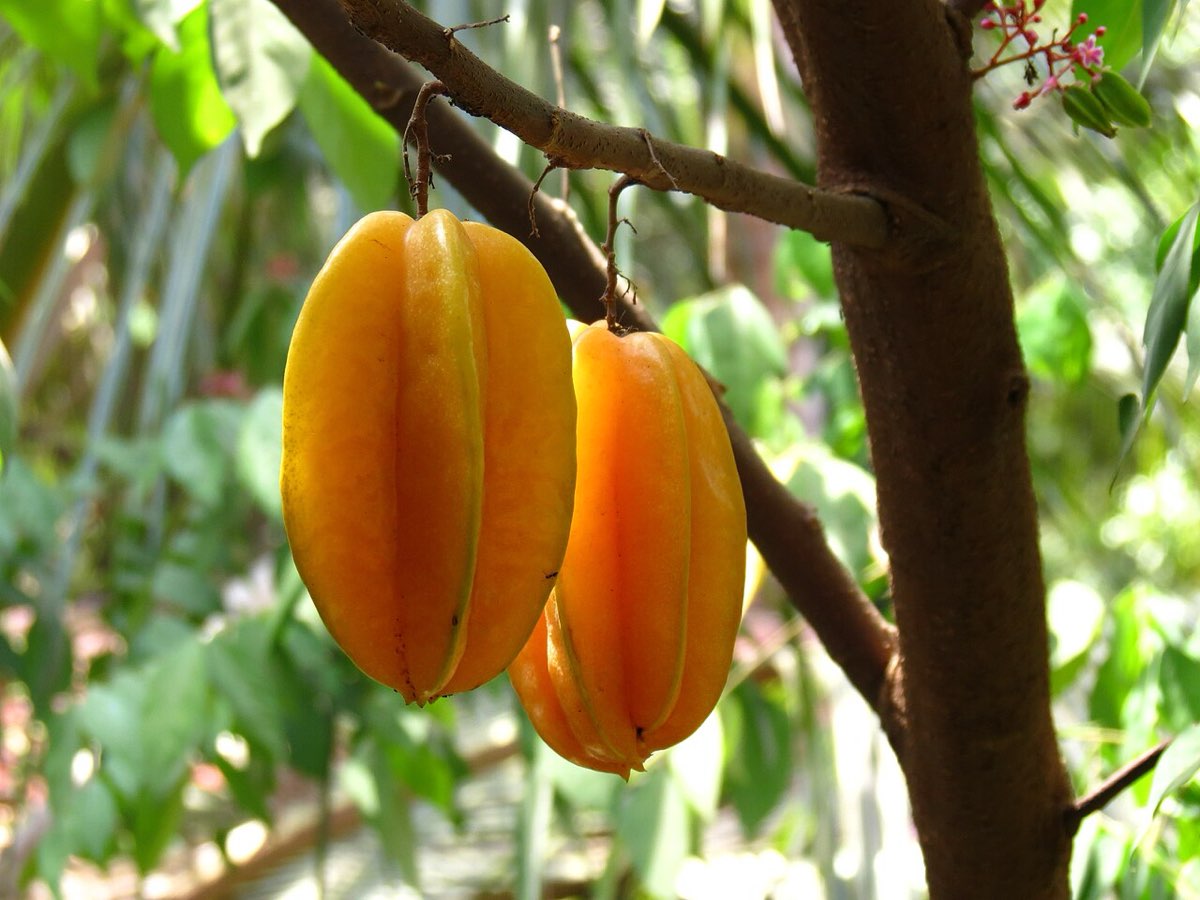
Sapodilla is ready when the brown skin scratches off easily and the flesh underneath is no longer green; it then softens off the tree. Star apple, by contrast, does not ripen after picking, so wait until the skin is glossy and slightly soft to the touch. Star Fruit is at its best when the ribs are fully yellow with only a trace of green at the edges. Collect fallen fruit every day, since it attracts fruit flies and wasps.
Common problems
Fruit flies are the most frequent pest on mango, guava-like fruits and star fruit in Mexico. Pick up fallen fruit, harvest promptly and use simple bait traps. Scale and mealybugs appear on stressed trees and are controlled with potassium soap. Leaf-cutting ants can strip a young tree overnight in the rainy season, so check new plantings every morning during the first weeks.
Questions & Answers
How long does a mango tree take to fruit?
A young nursery mango usually starts flowering after three to five years in the ground, depending on climate and care. Remove the first flowers if the tree is still very small so it can build a strong frame.
Can I grow mamey in Guadalajara or Mexico City?
Guadalajara is borderline and possible in sheltered, frost-free gardens. In Mexico City frost and cool nights make it difficult outdoors; a large container in a protected sunny spot is a better option.
Why is my avocado tree dropping leaves after rain?
Waterlogged soil is the most common reason. Check that water drains away within a few hours, raise the planting area if needed and avoid watering until the topsoil dries.
Does dragon fruit need full sun?
It fruits best with plenty of sun, but in very hot places like Yucatán in April and May a little afternoon shade prevents the stems from yellowing and burning.