How to Grow Citrus Trees in Mexico: Lime, Orange, Mandarin and Grapefruit
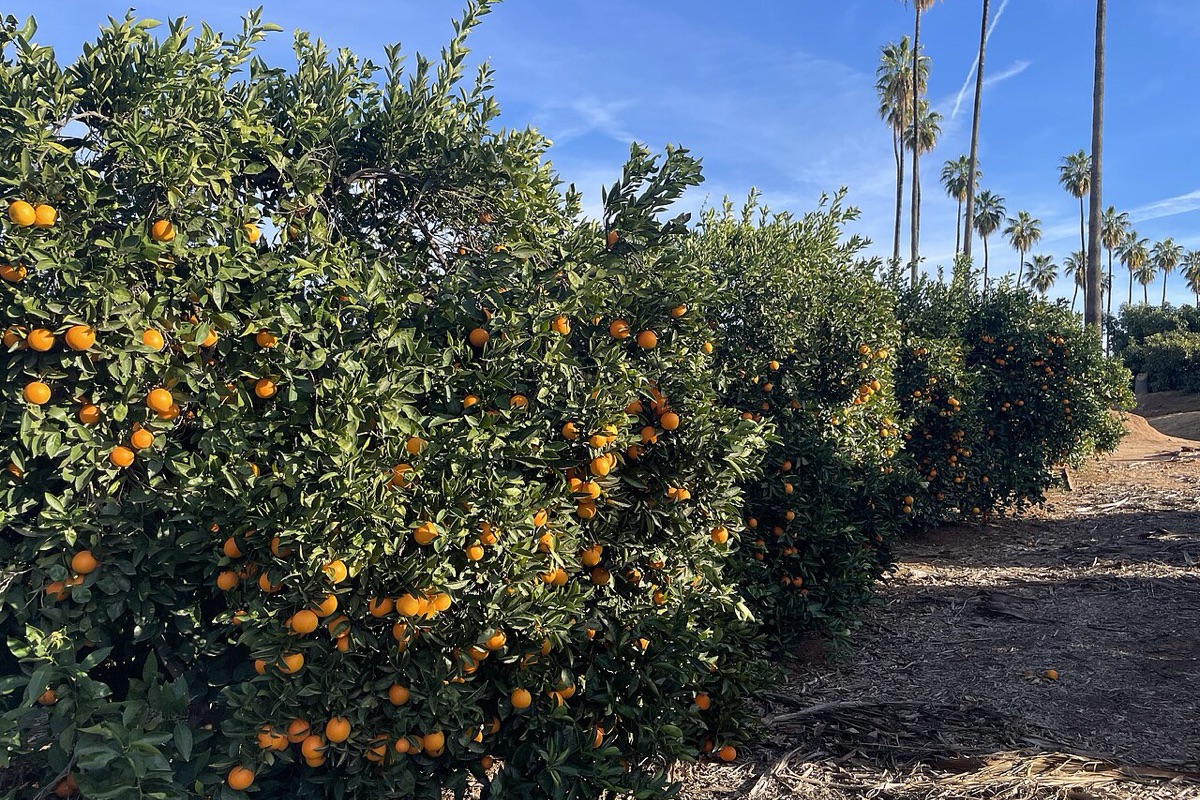
A lime tree in the backyard is almost a requirement in Mexico, and oranges, mandarins and grapefruit are just as rewarding. Citrus trees are compact, productive and adapt to most of the country, from the Gulf coast to the Bajío. This guide covers choosing the right variety, planting, watering, feeding and keeping your tree healthy.
Choose the variety for your climate
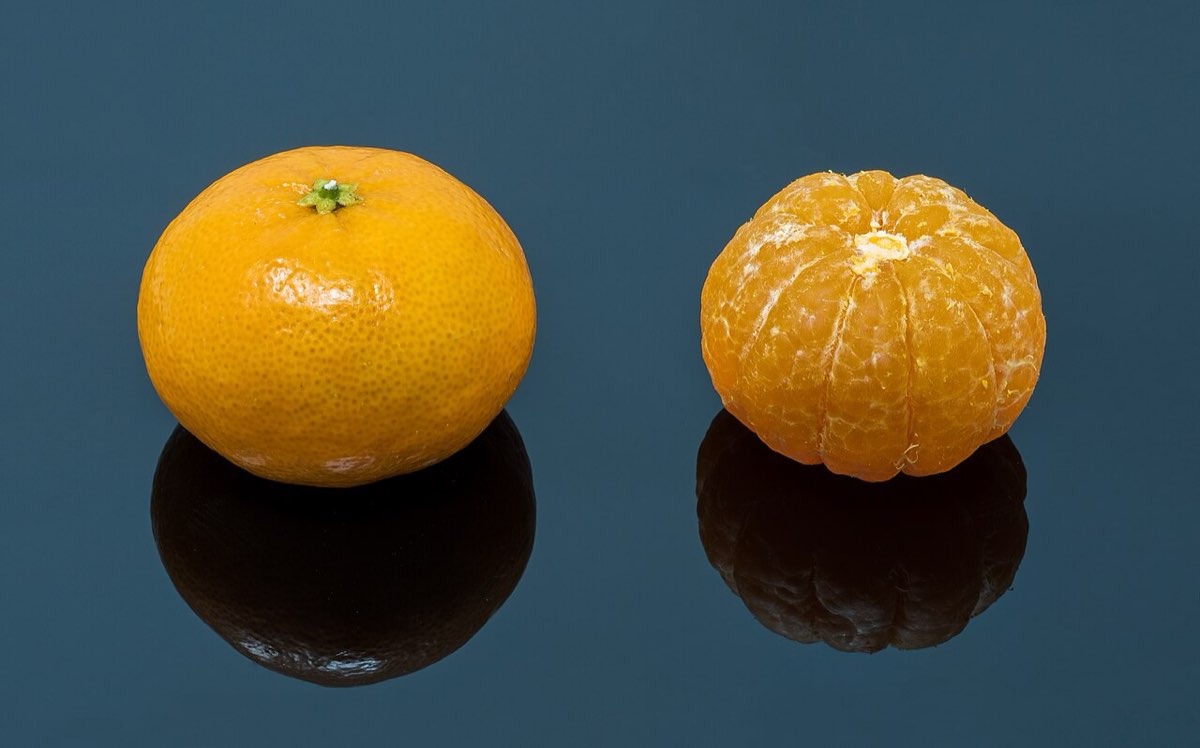
All citrus love heat and sun, but they differ in how much cold they can take. Limes and lemons are the most sensitive and can be damaged near 0 °C. Sweet oranges and grapefruit tolerate a little more, and mandarins are the hardiest of the common citrus, which makes them the safest choice for gardens in the highlands and the north where light frost is common.
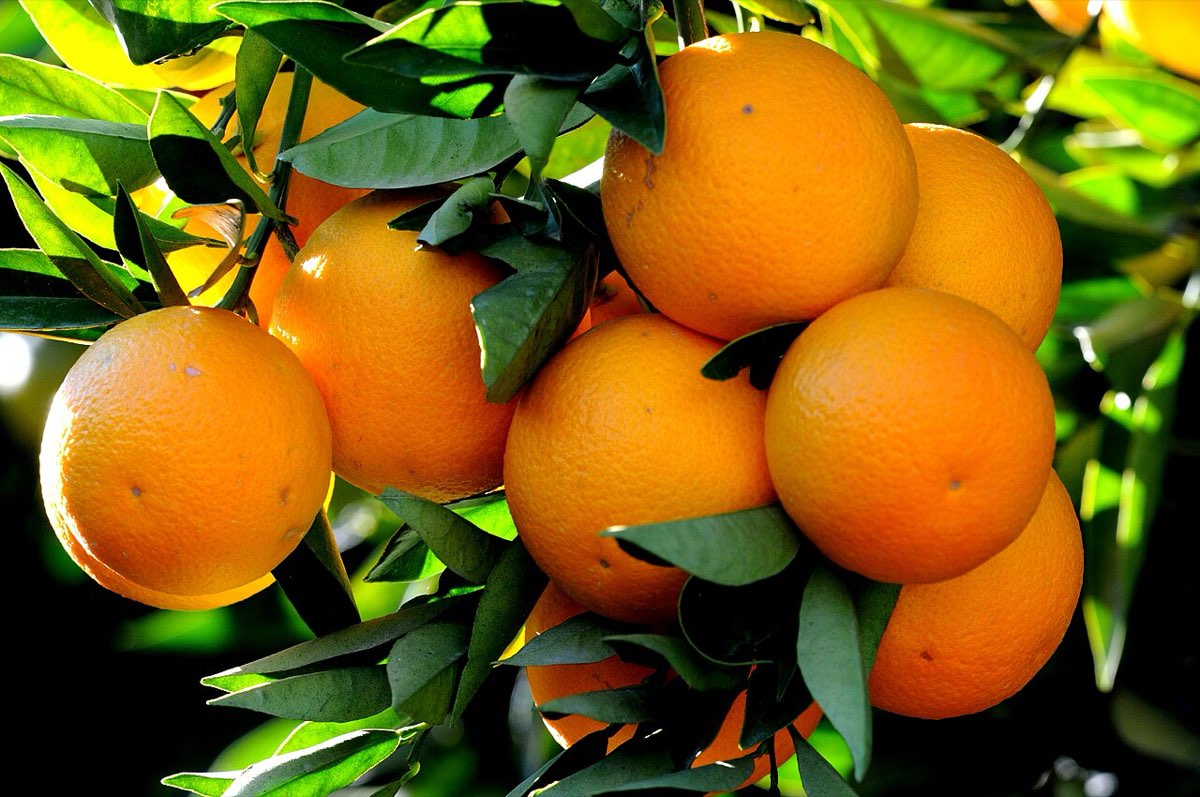
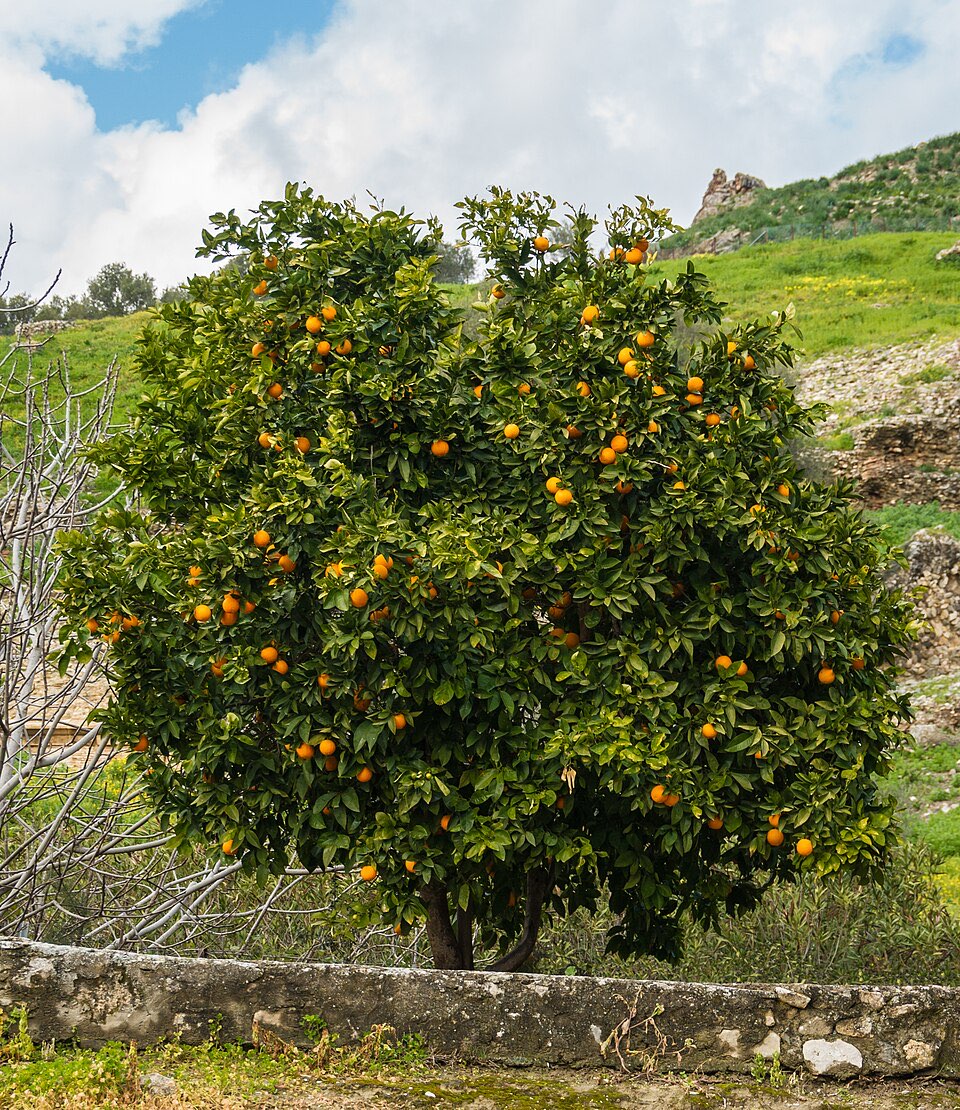
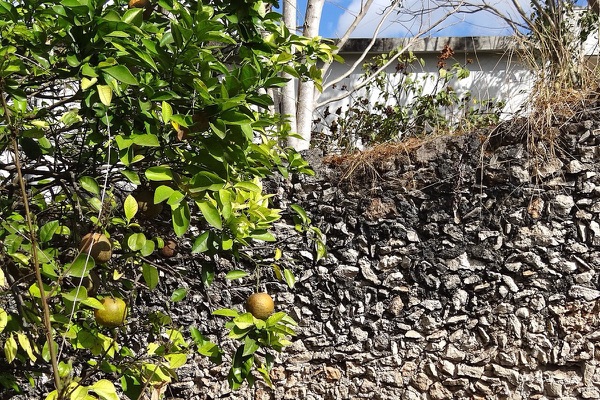
Heat also changes fruit quality. In hot, humid lowlands such as Veracruz, Tabasco or Yucatán, oranges and mandarins are juicy and sweet but often stay greenish on the outside, because the skin needs cool nights to turn fully orange. That is normal; judge ripeness by taste, not colour. Navel oranges and clementines give their best fruit in subtropical climates with cooler winters.
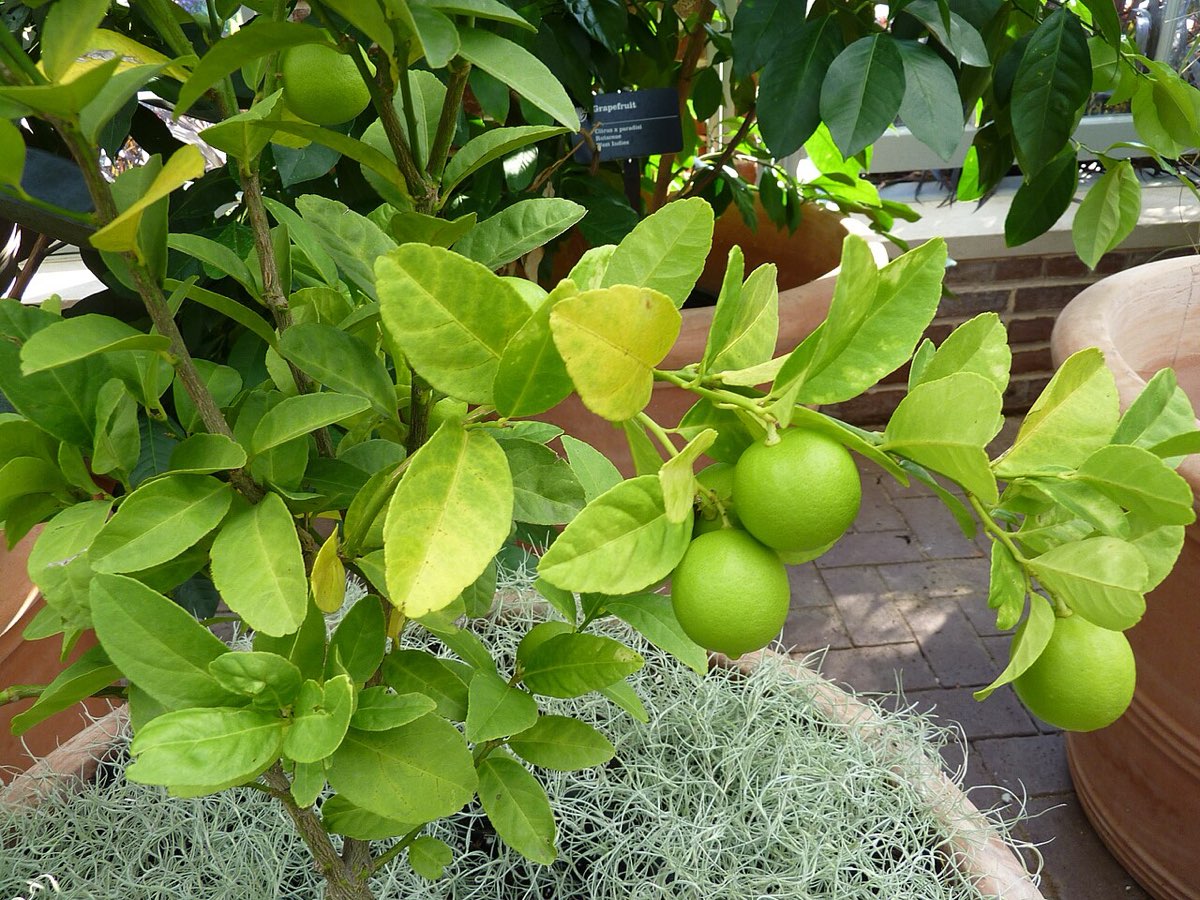
- Hot lowlands: Persian Lime, Colima Key Lime, Valencia Orange, Chiche Sweet Lime, grapefruit and pomelo.
- Subtropical valleys and the Bajío: Clementine Mandarin, Fortune Mandarin, Washington navel orange, Eureka Lemon.
- Areas with light frost: mandarins first, plus limes in a pot or against a warm wall.
Persian lime or key lime?
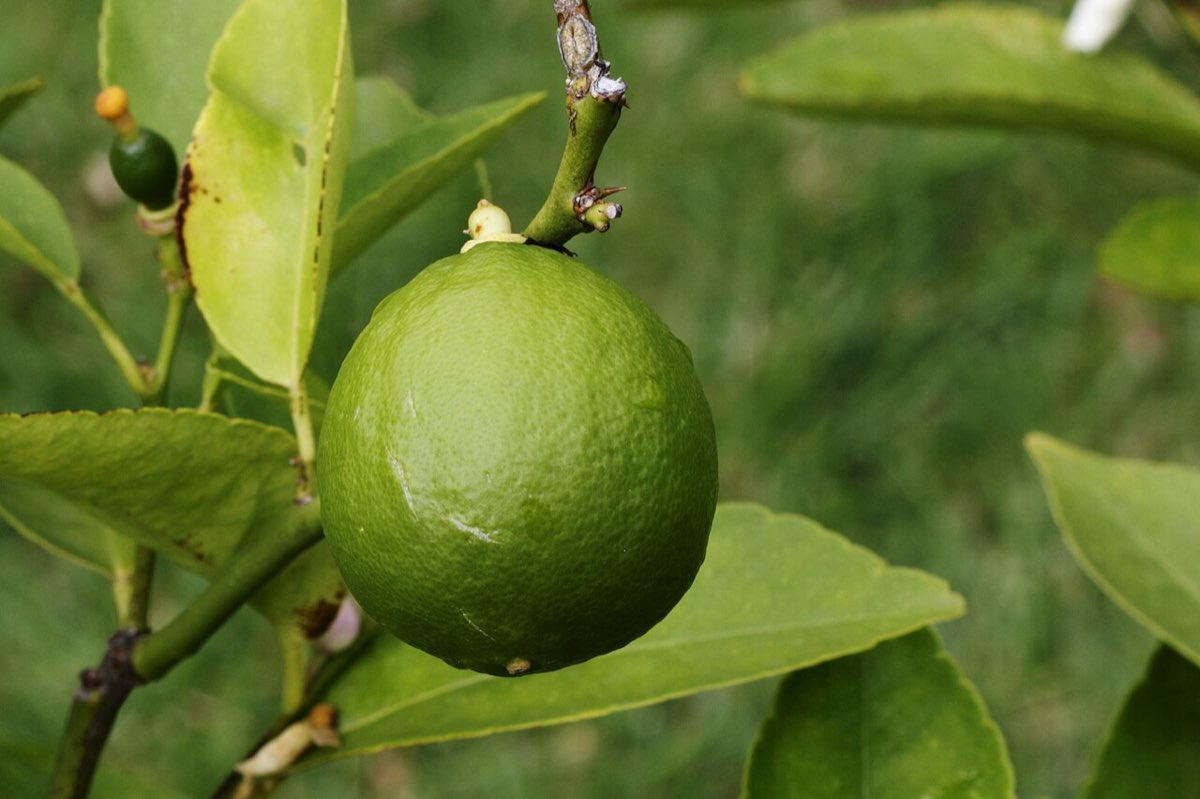
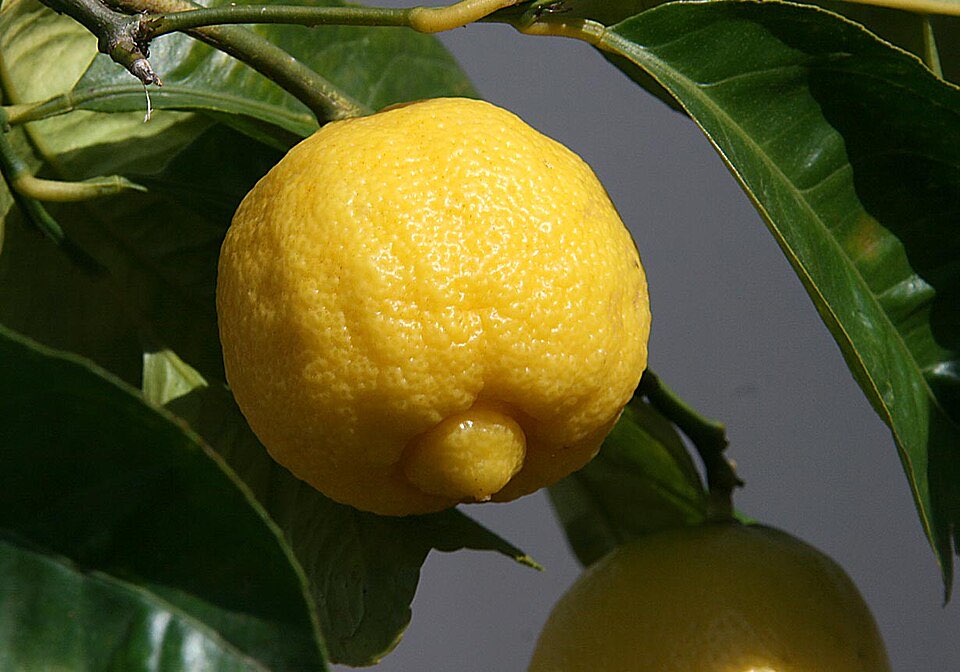
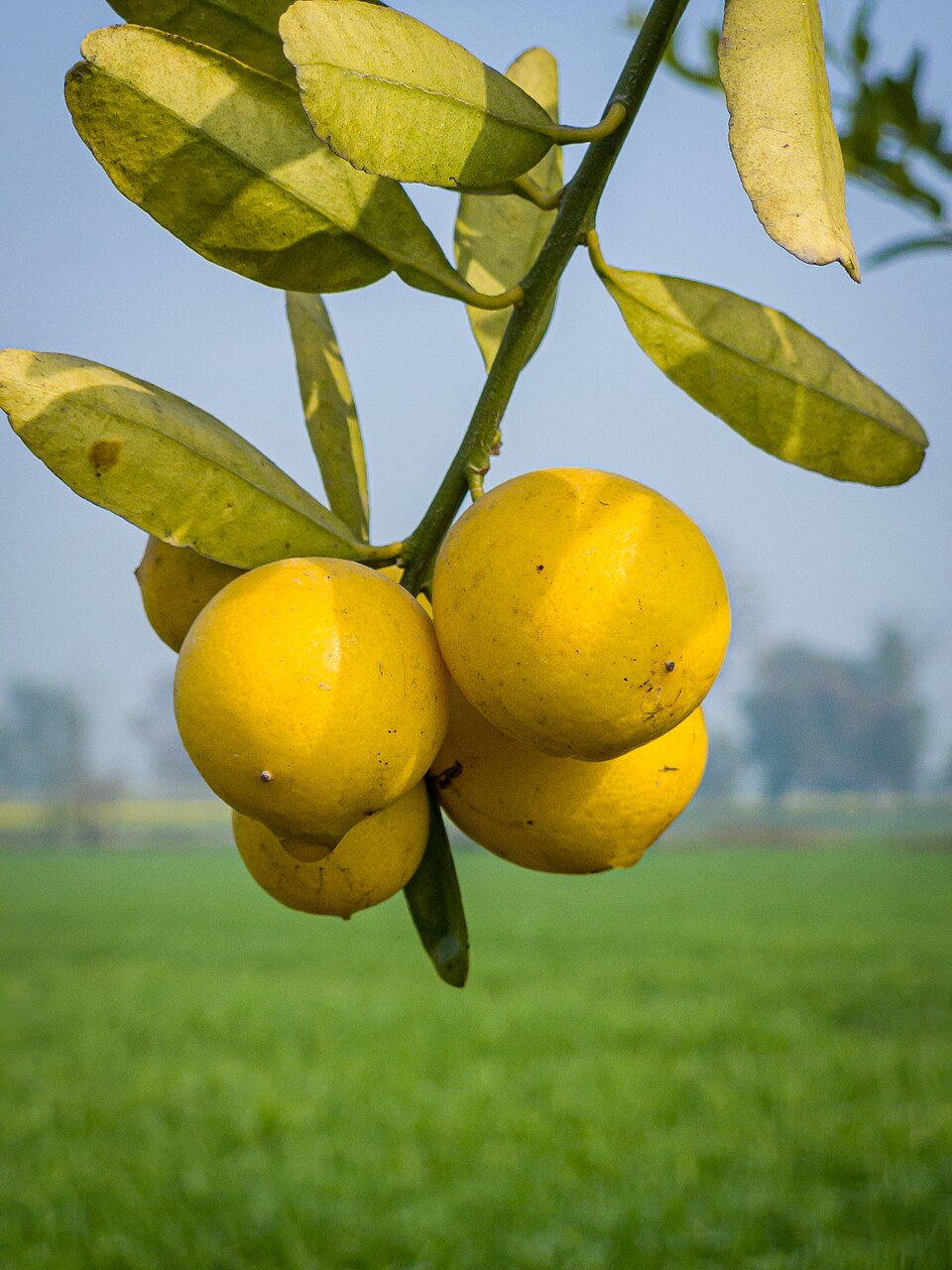
The Persian lime, the large seedless lime grown commercially in Veracruz, is vigorous, has few thorns and produces almost all year. The small, aromatic key lime, known in Mexico as limón Colima or limón mexicano, has more seeds and thorns and an intense flavour that many cooks prefer. Key lime is more sensitive to cold than Persian lime, so in the highlands Persian is usually the safer bet. If you have space, grow both.
Grapefruit, pomelo and sweet limes
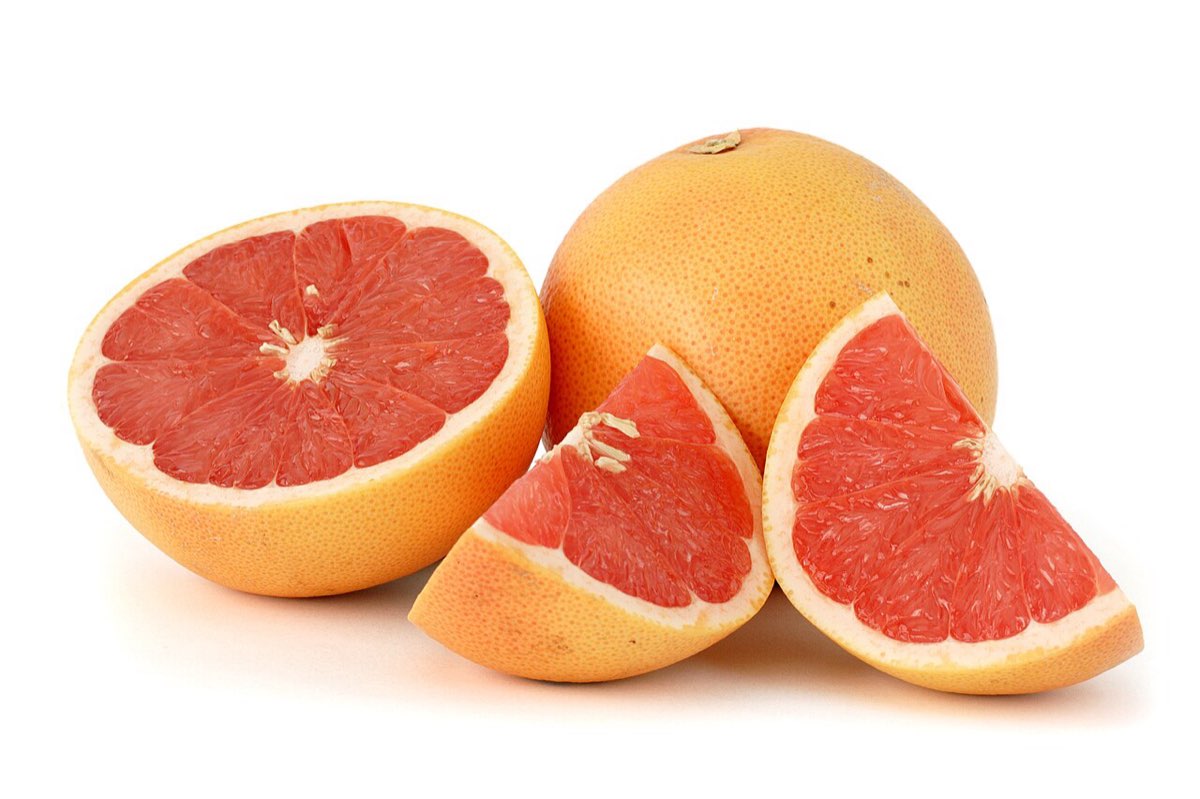
Grapefruit and pomelo are the largest citrus trees and need the most heat to develop sweet fruit, which is why they excel in the hot lowlands. Pink Grapefruit and double red grapefruit have coloured flesh that develops its best flavour where summers are long and hot. Pomelo produces enormous fruit with a thick rind and mild, sweet segments; give it at least five metres of space.
Sweet limes, such as lima de chiche and smooth sweet lime, are very low in acid and are refreshing eaten fresh or as juice. All of these trees need the same care as oranges, but because their crops are heavy they benefit from extra potassium while the fruit develops and from propping up overloaded branches.
Planting citrus
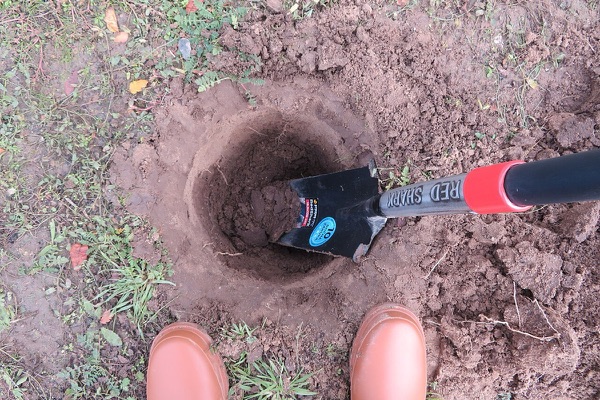
Choose the sunniest spot you have: citrus needs at least six to eight hours of direct sun to fruit well. The soil must drain freely; citrus roots rot quickly if water sits around them for more than a day. In clay soils, plant on a mound 30 to 40 centimetres high. In Yucatán, break up the limestone in the planting hole as much as possible and fill with a mix of red soil and compost.
Plant at the same depth as in the nursery bag and keep the base of the trunk clear of soil and mulch; a buried trunk invites a fungal disease called foot rot. Water deeply after planting and cover the root area, but not the trunk, with mulch. Space trees about four to five metres apart, or three metres if you plan to keep them pruned small.
Watering and feeding
Young citrus need regular water: two or three deep waterings a week during the dry season, less in cooler areas. Mature trees are more tolerant, but long dry spells while the fruit is developing cause small fruit, split skins and fruit drop. Water deeply and less often rather than a little every day.
Citrus are hungry trees. Feed every six to eight weeks from the start of the rains until early autumn with a citrus fertiliser or a balanced formula plus compost. In alkaline soils, as in Yucatán and much of northern Mexico, citrus often show yellow leaves with green veins because they cannot absorb iron, zinc or manganese. Chelated iron applied to the soil, and a foliar spray of micronutrients on new growth, usually fixes the problem.
- Young tree: a small handful of fertiliser every 6–8 weeks, spread under the canopy.
- Bearing tree: increase gradually and favour formulas with more potassium.
- In frost areas, stop feeding nitrogen by late summer so new growth hardens before winter.
Pruning and harvest
Citrus need little pruning. Remove dead wood, branches that touch the ground, and vigorous upright shoots that sprout from below the main branches. Thin the centre lightly if the tree gets very dense so air and light can enter. The best time is after the main harvest.
Citrus fruit does not keep ripening after picking, so leave it on the tree until it tastes right. Oranges and mandarins hold well on the tree for several weeks, which means you can harvest little by little. Cut the fruit with pruners instead of pulling it, to avoid tearing the skin.
HLB and other pests
Huanglongbing, known as HLB or dragón amarillo, is the most serious citrus disease in Mexico. It is spread by a small insect, the Asian citrus psyllid, which feeds on tender new shoots. Inspect new growth regularly for tiny insects, white waxy threads or twisted leaves, and treat early with horticultural oil or potassium soap. Leaves with irregular, asymmetrical yellow blotches can be a symptom of HLB; if you suspect it, contact your local plant health office for advice.
Other common pests are leaf miners, which draw silvery tunnels on young leaves, aphids and scale insects. Healthy, well-fed trees usually outgrow leaf miner damage without treatment.
Protecting citrus from frost
In the highlands and the north, plant citrus near a south-facing wall, which stores heat during the day. Before a cold night, water the soil, cover the tree with frost cloth reaching the ground and, for small trees, place a string of old incandescent Christmas lights or a jug of warm water underneath. Remove covers in the morning. Damaged leaves and twigs should be pruned only after the risk of frost has passed.
Questions & Answers
How long until my lime tree produces?
A healthy young lime usually starts producing in its second or third year in the ground. Persian lime is one of the fastest and most regular producers.
Why are my oranges green but ripe?
In warm climates the skin often stays green because it needs cool nights to change colour. Taste a fruit: if it is sweet and juicy, it is ready.
Can I grow citrus in a pot?
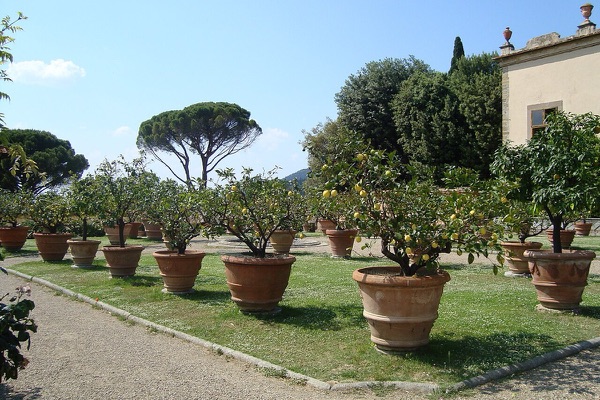
Yes. Mandarins, limes and lemons do well in pots of 60 litres or more with a free-draining mix. Feed more often than trees in the ground, as nutrients wash out with watering.
Why does my citrus have yellow leaves with green veins?
That pattern usually means iron or other micronutrient deficiency, common in alkaline soils. Apply chelated iron to the soil and check that the roots are not waterlogged.